Organize parts and packaged goods
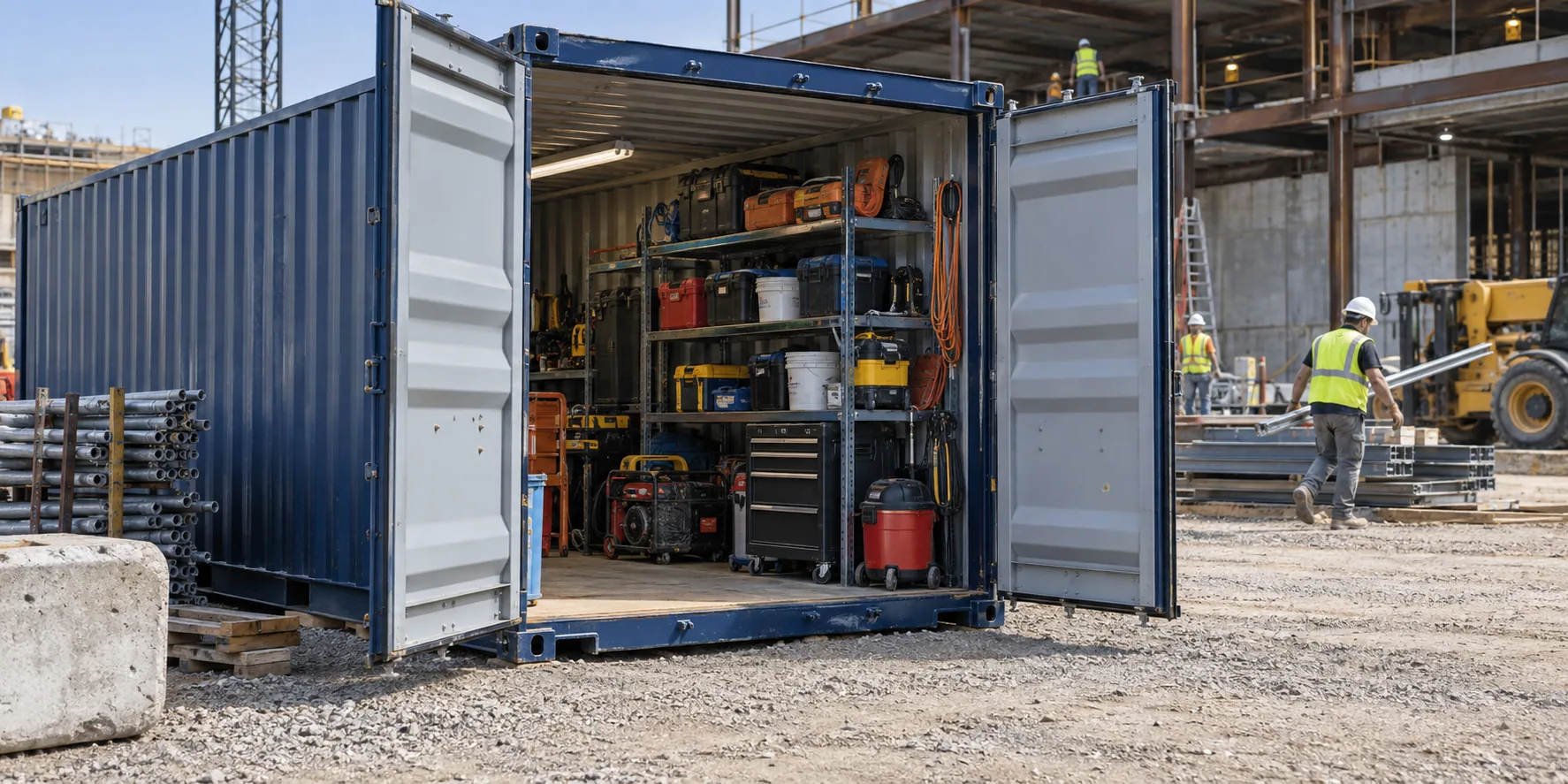
Set zones by movement rate and handling method, using the clear dimensions for racks and aisles.
Check both warehouse and rural approaches
Coordinate shifts and semitrailers in town; check gravel, culverts and snow at edge properties.
Rent peaks, own steady use
Lease freight surges and projects. Buy recurring plant, farm-service or contractor capacity.
Prepare for prairie weather and regional service
Wind, snow and rural routes can change an otherwise simple delivery. Reserve plowing and pickup space and check gates, culverts and gravel strength beyond paved commercial yards.
Organize food-support and regional service goods separately
Ordinary parts, tools and packaging can have different requirements from food, chemicals or temperature-sensitive equipment. Define suitable contents before selecting shelves and locks. Use the container dimensions to retain zones by route or issue frequency and keep dense stock low. An accessible aisle makes inventory easier to inspect through winter. A dry steel box should not be assumed to meet every sanitation or environmental condition a regional operation may need.
Prepare for prairie weather and rural approaches
Check gates, culverts, gravel strength, overhead lines and the final straight truck pull. Commercial properties add docks, rail and shift traffic. Reserve snow-removal and pickup space and direct runoff away. Lease for construction or seasonal peaks; buy recurring distributor or contractor capacity with upkeep assigned. Review support choices before installing a pad that must remain level through freeze-thaw, wind exposure and heavy-equipment activity. Recheck rural approaches after thaw or prolonged wet weather changes support.