Separate ordinary inventory from controlled goods
Parts, tools and packaged supplies may fit well; food, chemicals and temperature-sensitive items require a specific review. Use the shipping container interior dimensions for suitable shelving and aisle plans.
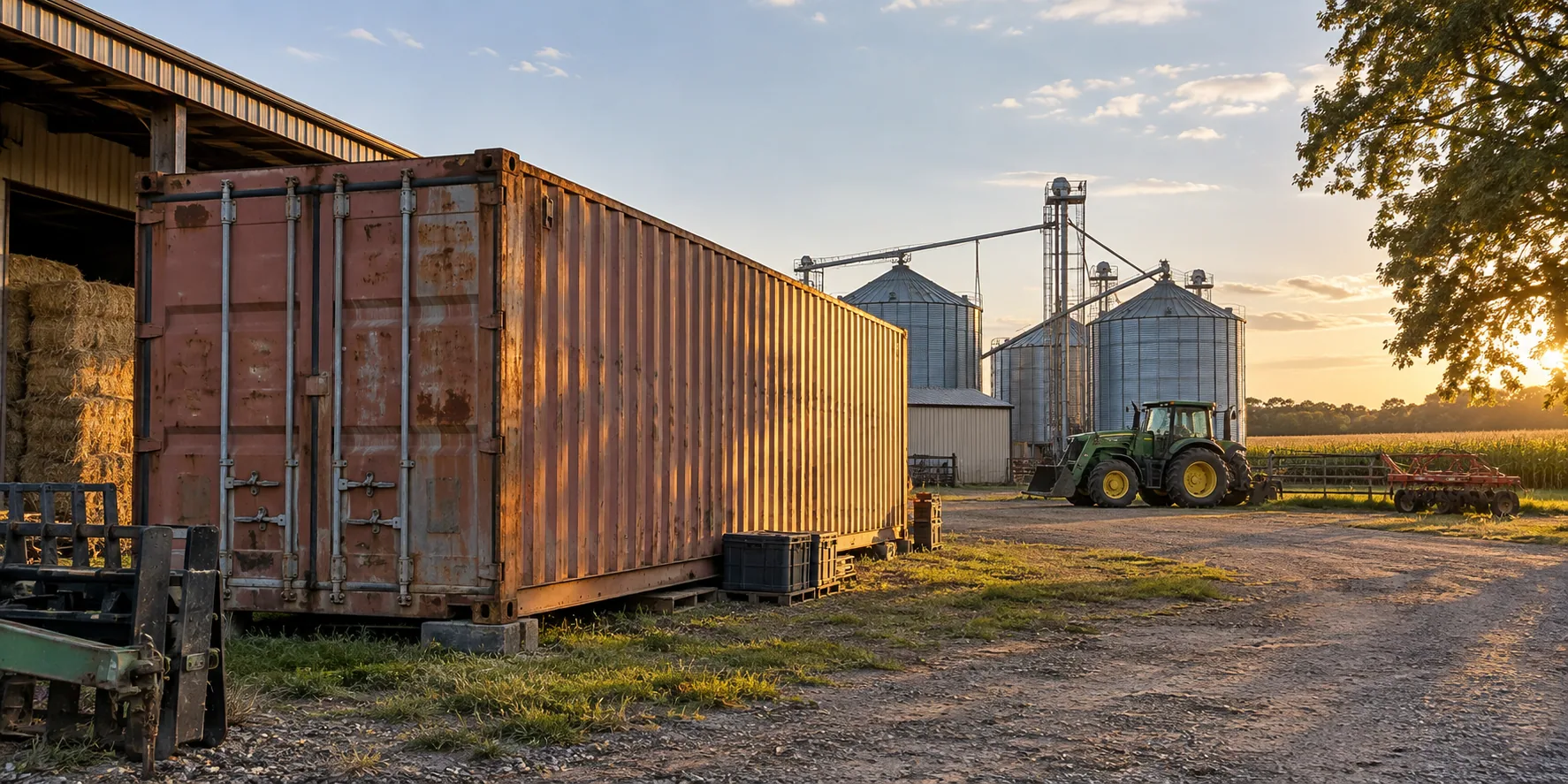
Prepare for snow and prairie wind
Check gates, culverts, gravel strength, overhead lines and anchoring requirements. Reserve plowing, fleet and pickup space rather than using an apparently empty corner.
Follow project length and seasonal demand
Lease shipping containers for construction and peak inventory. Purchase for recurring distribution, farm-service or contractor use; wide equipment storage may favor a steel building.
Build a practical parts base for regional work
Sioux Falls service businesses often support both city facilities and customers farther out. Keep emergency repair stock identifiable, separate returned tools from checked equipment and label bins so another crew can find the same part. Durable materials may suit ordinary container storage, while sensitive components need their environmental requirements reviewed. Compare the sizes guide with actual carts and replacement assemblies. Avoid filling the last open aisle with excess stock; the ability to issue material matters as much as total volume.
Plan for wind, snow and changing ground
Choose support and door orientation with daily access in mind, and keep plowed snow away from the working entrance. Rural approaches need a review of culverts, shoulders and gate corners, particularly when conditions soften. A lease can follow construction or seasonal service demand. Ownership is useful for recurring storage when someone maintains the site and hardware. Record the approach and removal requirements so future yard changes do not quietly eliminate the truck’s access.