Keep overflow active
Sort inventory by movement rate, preserve a picking aisle and use clear dimensions to set racks and pallets.
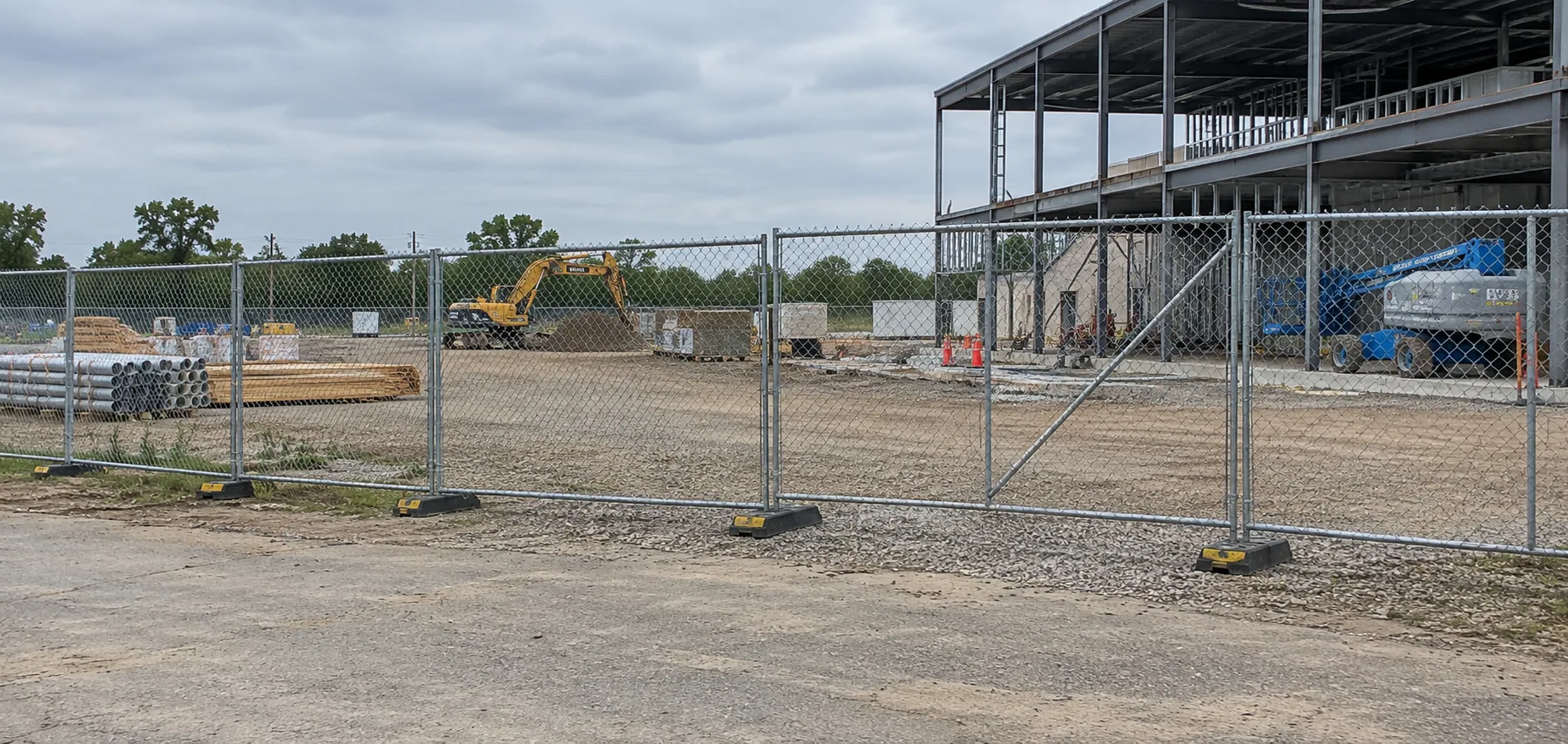
Coordinate rail, trucks and snow
Confirm gates, docks, shifts and plowing space, keeping emergency and forklift routes open.
Choose around demand length
Lease peaks and projects. Buy steady warehouse, plant or contractor capacity.
Coordinate rail, distribution and weather
Active freight properties must protect rail clearances, docks and semitrailer turns. Hills, storms and winter conditions also make drainage and year-round pickup access important.
Build a freight-friendly inventory layout
Regional distribution and manufacturing operations need labeled zones, controlled weight and straightforward retrieval. Keep high-turn goods near the doors and compare racks and pallets with the interior dimensions. Dense components may reach practical handling limits before filling volume. Contractors can separate tools by crew and job, while sensitive food or technical contents need a suitability review. Added space is useful only when staff can find and inspect what has moved outside.
Respect rail, grades and winter operations
Confirm rail clearances, docks, trailer turns, security gates and a stable drained pad. Other properties add hills, overhead utilities and soft approaches. Reserve plowing and removal room. Leasing suits inventory peaks or plant projects; purchase suits recurring manufacturer or contractor storage with maintenance assigned. Review delivery-space guidance before choosing a long unit for a yard that has capacity but little safe trailer maneuvering room. Review rail and trailer activity before staff retrieve bulky goods.