Stage restoration and service stock by response need
Keep fast-response supplies near the doors and separate clean inventory from returned wet equipment. Compare the organized load with available interior space.
Check winter, drainage and rural access
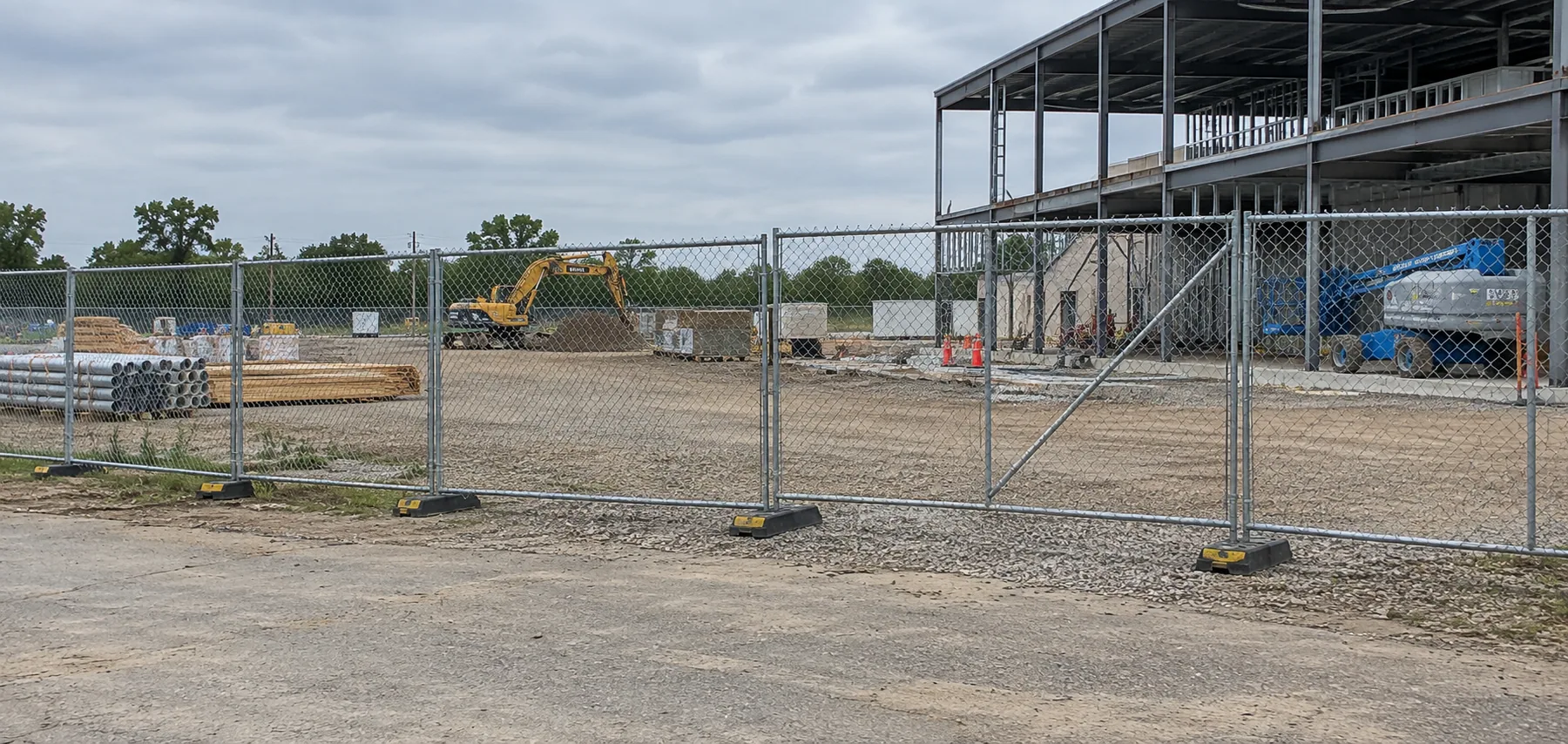
Inspect gates, culverts, gravel and overhead lines outside the metro; on commercial properties, coordinate docks, security and employee traffic. Maintain plowing and pickup clearance.
Choose around event versus routine
Shipping container leasing fits catastrophe response, construction and inventory peaks. Ownership fits recurring manufacturer, restoration or farm-service storage.
Separate construction staging from business overflow
Des Moines contractors may need tools and installation material, while commercial facilities may need reserve furniture, records or durable supplies. Those loads deserve different layouts. Put construction material in work sequence and keep finished items protected from oily equipment. Identify environmental requirements before moving any sensitive goods outside. The working dimensions chart helps establish shelves and retrieval space. A box filled wall to wall can hold plenty but become a poor storeroom when employees cannot inspect or count anything.
Match the agreement to the actual operating period
For a renovation or seasonal need, request lease options alongside delivery and removal details. Recurring contractor or facility storage may justify buying shipping containers at an approved site. Review drainage, winter door access and the truck path before committing. Include the snow-removal plan in the placement conversation, and assign someone to check support and hardware after seasonal changes. Clear site information lets the supplier discuss a workable setup rather than guess from the address.