Right-size the project footprint
Arrange fixtures or tools by installation phase and compare the required capacity with standard sizes. Preserve parking, delivery and retrieval room rather than filling every available foot.
Put property requirements in writing
Confirm screening, surface protection, delivery hours, gate access and the approved door direction. Keep schools, customers, waste service and fire routes separated from the box.
Follow the renovation timetable
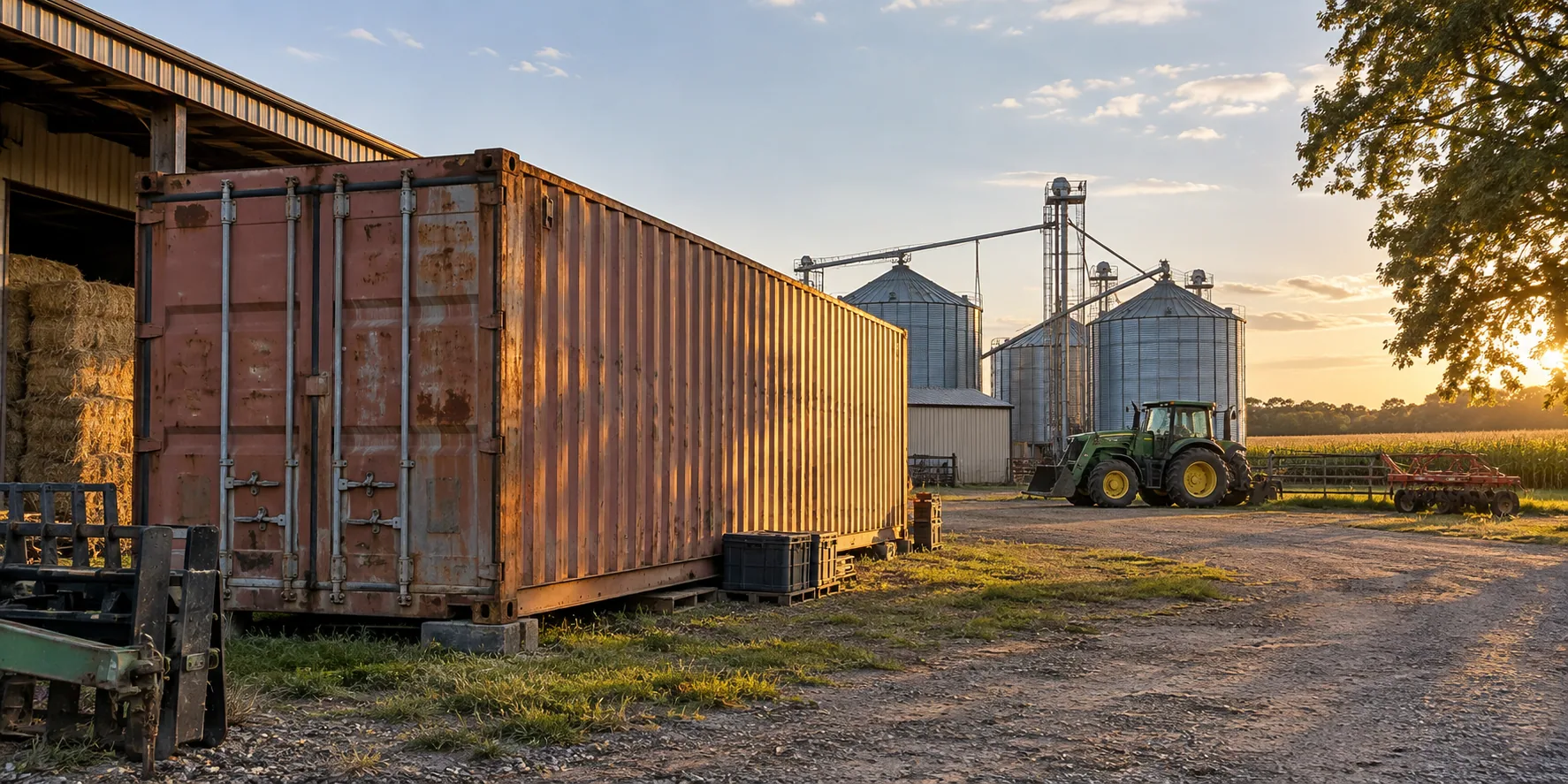
Shipping container leasing fits build-outs and temporary inventory. Buying is better for an established contractor or service company with approved long-term yard space.
Use project storage without consuming customer space
Overland Park commercial build-outs often share parking with active businesses. Start with the placement footprint and truck approach, then check the container sizes against the remaining usable area. Fixtures should be loaded by installation sequence, with delicate surfaces separated from tools and hardware. Keep an inventory list so supervisors know what remains outside. The goal is a cleaner project site, not a storage solution that forces customers or neighboring tenants into the work zone.
Set a clear ending for temporary capacity
For a remodel or event, agree on property permission, delivery timing and pickup access before ordering a leased container. Fencing and dumpsters added later should not block the truck’s removal line. If buying for recurring service work, confirm the long-term position and maintenance owner instead of relying on temporary project approval. Winter plans should leave the doors accessible and provide a safe landing for carts. Sensitive contents also need their own environmental review before outside storage is specified.