
Protect the contents from the actual climate
Identify goods that need ventilation or conditioning and preserve access using the shipping container working dimensions. See current container prices.
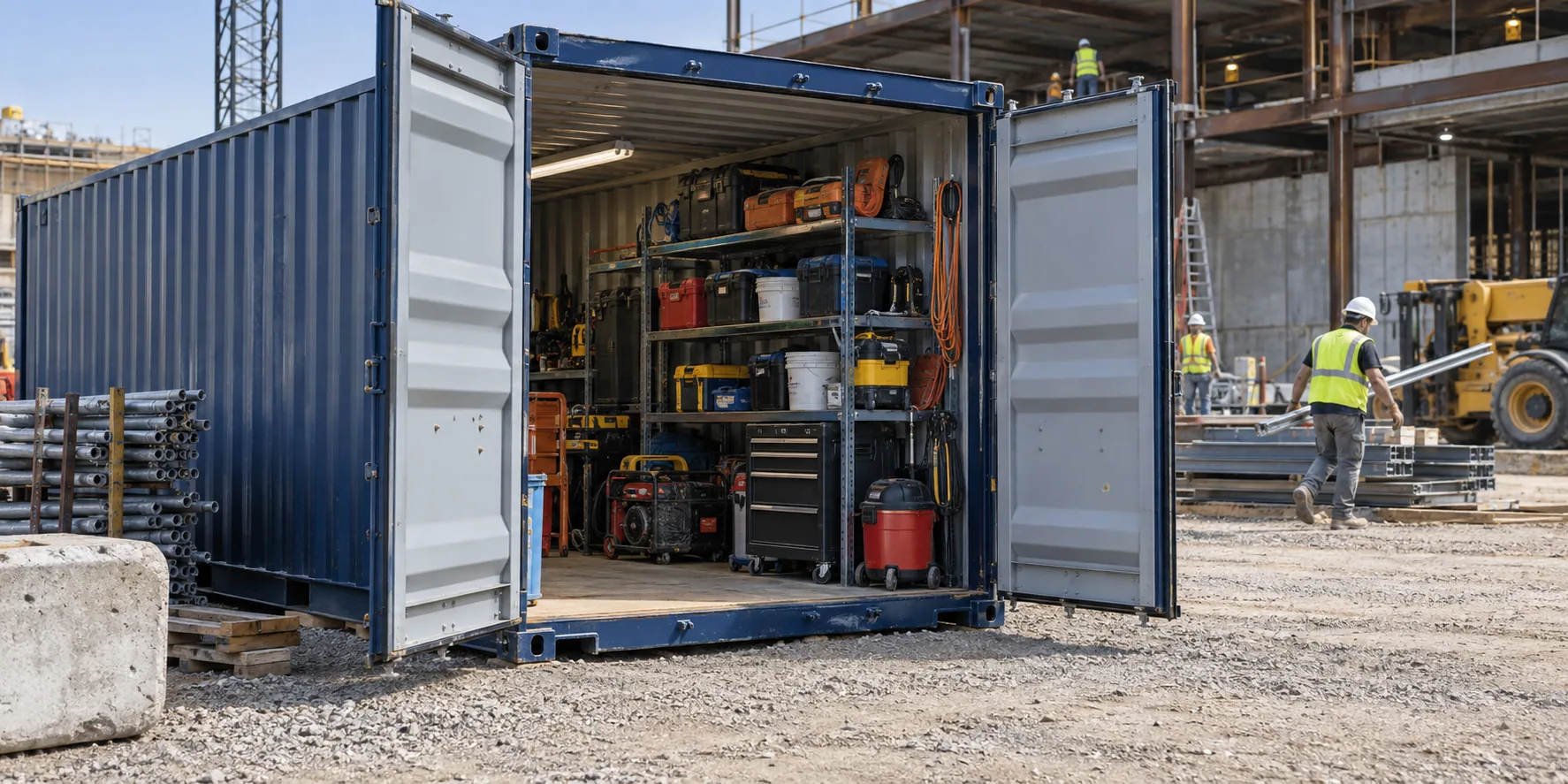
Coordinate docks, guests and wet ground
Confirm gates, delivery windows and firm supports while keeping port, public and emergency routes open. See current container prices.
Use project-based or continuing capacity
Lease events, restoration and peaks. Buy recurring marine, logistics or contractor storage.
Keep storm and coastal access practical
Review bridges, drainage, soft ground and the property storm plan. The unit needs a reachable inspection and pickup route instead of a low corner that becomes isolated after heavy rain.
Organize marine, renovation and distribution goods distinctly
Keep marine parts by job, hospitality fixtures by installation phase and warehouse stock by movement rate. Dense goods belong low and clean supplies should remain separate from wet returned equipment. Compare racks and pallets with the inside dimensions. Heat- or humidity-sensitive materials may require ventilation or conditioning. A weather-resistant shell and a suitable interior environment are different parts of the specification, particularly when storage remains outside through long humid periods.
Plan coastal access and the property storm procedure
Confirm gates, bridges, truck traffic, drainage and surface strength before delivery. Keep guest, port, fleet and emergency routes open. Leasing fits renovations, marine projects or seasonal peaks with a realistic pickup window. Purchase fits recurring service-yard use with coating and hardware inspections assigned. Review water-resistance limits and include support, transport, storm responsibilities and condition expectations when comparing the complete delivered working scope. Maintain inspection space without obstructing marine trailers or service vehicles.