
Keep the footprint proportional
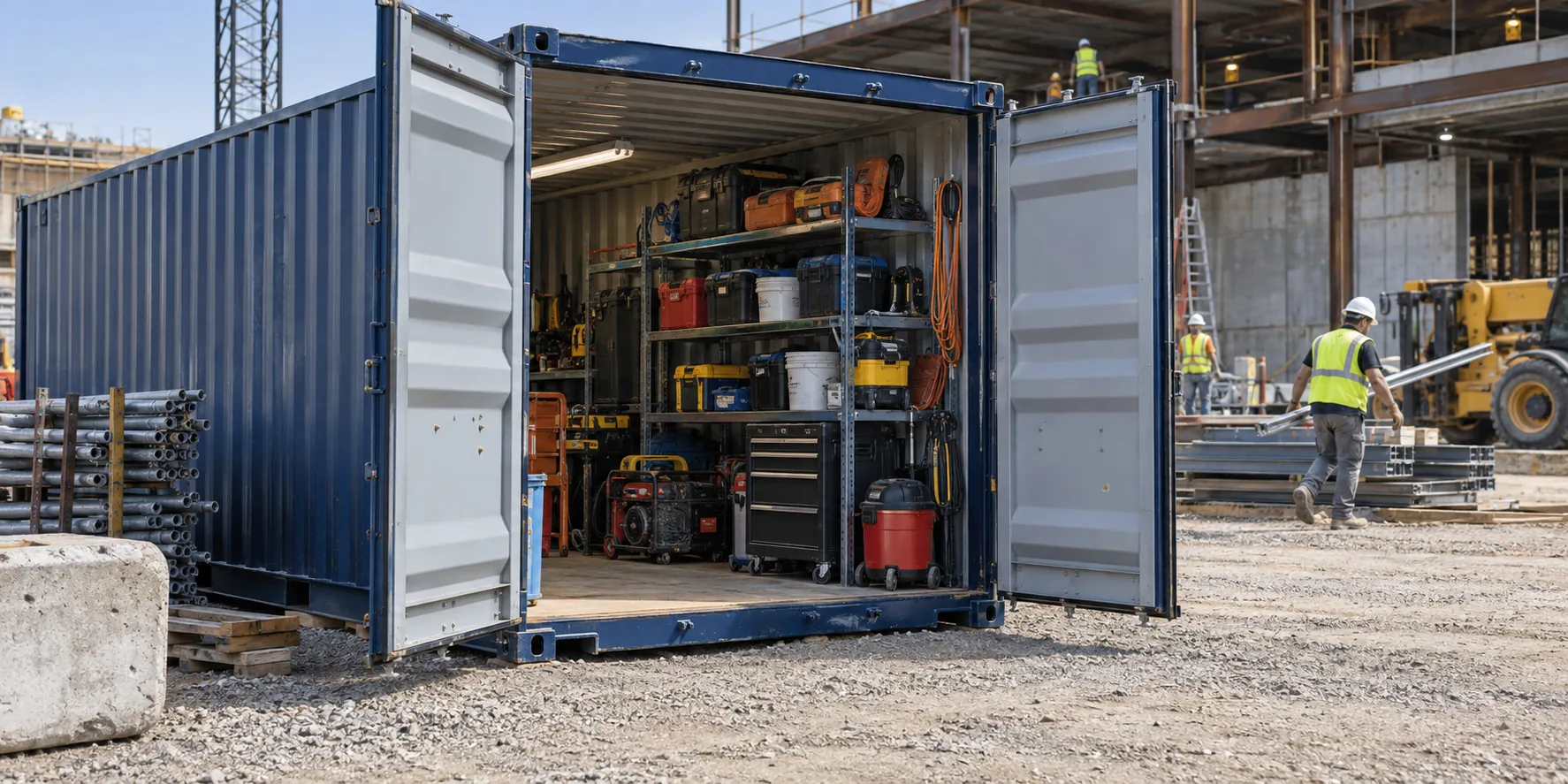
List tools, fixtures or marine parts and compare them with usable container space. A smaller organized unit often works better than a long box that restricts parking or pickup.
Coordinate coastal access
Check narrow streets, gates, overhead trees, guest traffic and delivery hours. Direct runoff away, inspect exterior condition and preserve fire, dock and pedestrian routes.
Use a defined coastal service plan
Rent shipping containers for renovations, events and temporary marine work. Own recurring contractor or facility storage when coating, hardware and storm responsibilities are clear.
Plan coastal storage around people and service access
Hospitality, event and marine properties can have little spare room once guests, vendors and trailers arrive. Confirm delivery hours, narrow streets, gates, overhead clearance and a controlled door working area. Match those limits with the container footprint rather than inventory volume alone. Protect public routes, hydrants and dock access. A compact unit with phase-based loading can serve a renovation efficiently without taking over parking or the service lane needed by other trades.
Inspect and organize for a humid coastal term
Keep wet marine gear away from clean cartons and label stock by job or deployment. Sensitive materials may need environmental controls. Leasing suits renovations and events with pickup protected; purchase suits recurring contractor or facility capacity with coating, seal and hardware checks assigned. Review condensation guidance, and compare transport, support, drainage and storm responsibilities in the complete scope. Secure storage should remain inspectable and removable as the property changes around it.