
Keep the unit useful on a constrained property
List tools and materials by retrieval frequency and compare the load with available container lengths. A shorter box may protect access to driveways, seawalls and service areas. See current container prices.
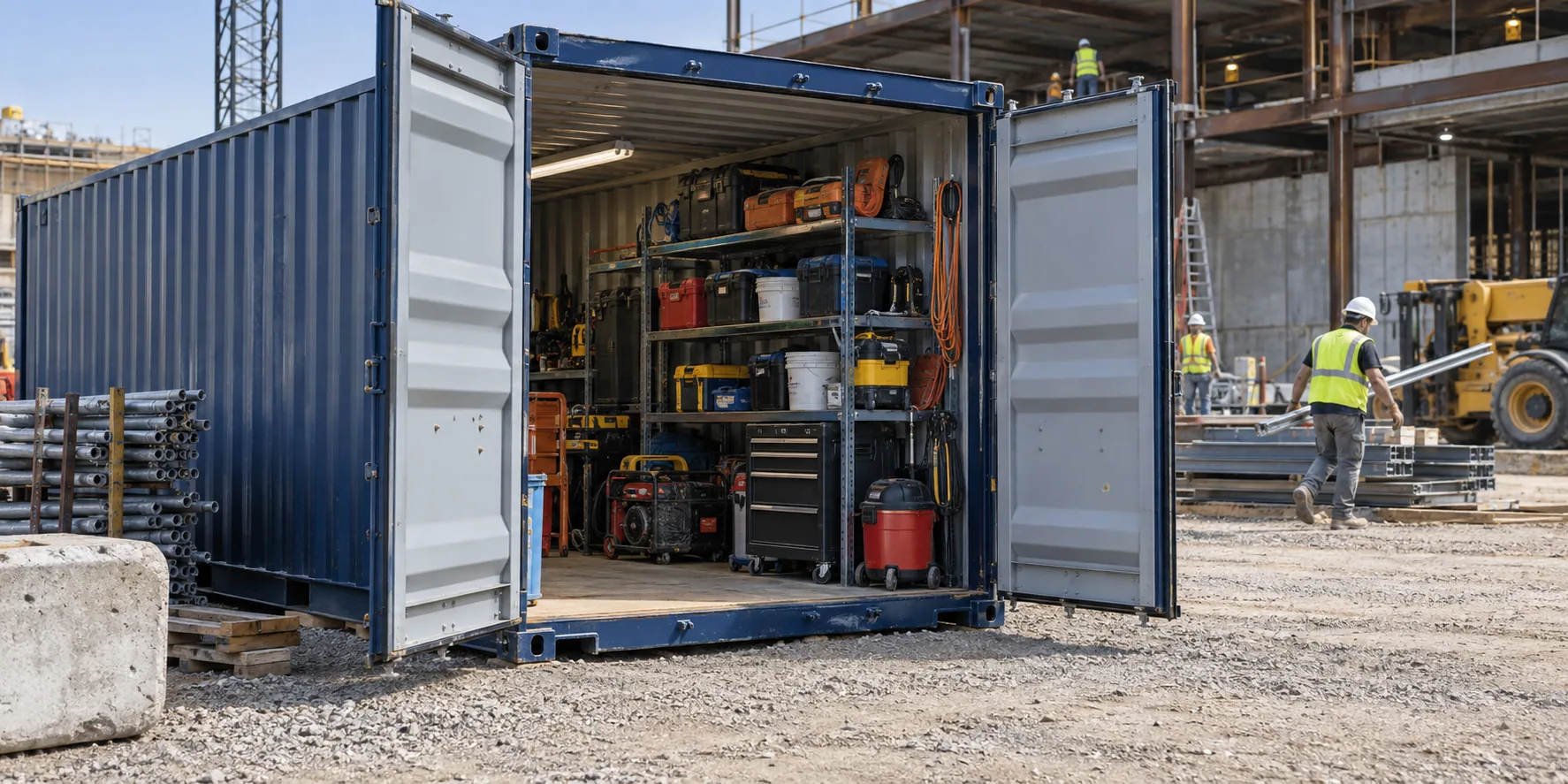
Inspect bridges, culverts and canal-side ground
Confirm route limits, gate widths, overhead trees and a stable trailer path. Set the unit on level drained support without blocking swales, emergency access or neighboring property. See current container prices.
Plan for projects and storms
Lease shipping containers for building or recovery work when pickup can remain accessible. Buy for recurring marine, landscape or contractor storage with a documented storm and maintenance plan.
Check canal-side ground and the truck approach
Bridges, culverts, narrow drives, gates and overhead trees can determine practical container length. Review soft shoulders and drainage edges along the complete trailer path before scheduling. Match the approach with the working footprint, preserving access to seawalls, service areas and neighboring drives. Use stable level support without blocking swales or emergency movement. An open space beside a canal should not be assumed suitable for heavy delivery equipment merely because the box would fit there.
Keep marine and recovery stock ready for issue
Separate wet gear from clean supplies and organize tools or building material by job and retrieval phase. Sensitive goods may need humidity controls. Rent for construction or recovery with pickup feasible at term end; buy recurring marine or landscape capacity with maintenance assigned. Review weather-resistance limits, including the property storm plan. Later gates, parked trailers and landscaping must not close the route used for eventual inspection or removal.