Load for cold-weather retrieval
Keep daily goods forward and confirm aisles using the shipping container interior dimensions.
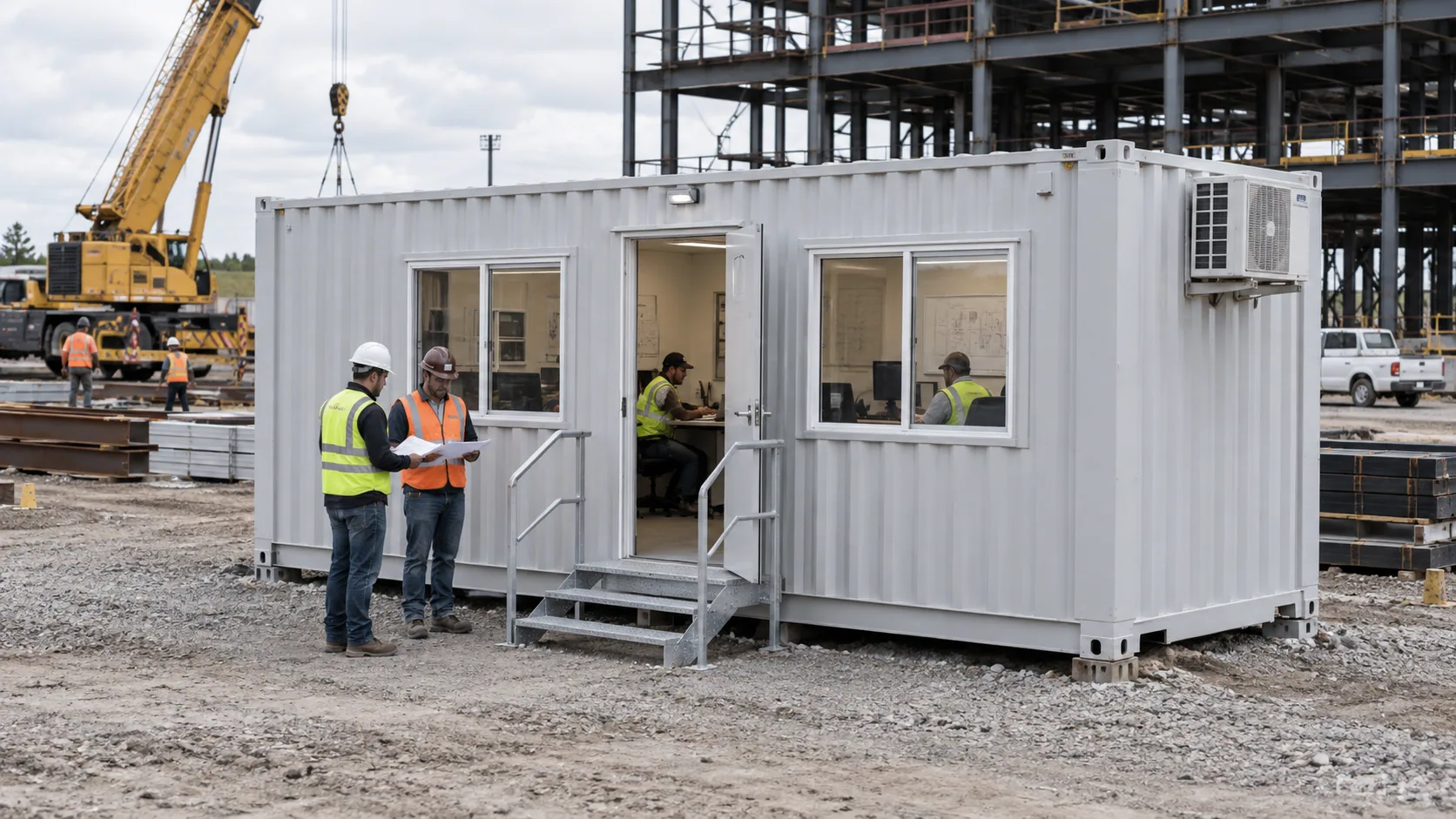
Protect public and snow routes
Coordinate shared docks, grades, plowing and emergency access while maintaining drainage.
Use project or recurring capacity
Lease events and projects. Buy continuing plant, facility or contractor storage.
Treat snow storage as working space
Mark where plows push snow and where meltwater travels before choosing the pad. Keep doors facing a route crews can safely clear throughout the lease or ownership period.
Load for cold-weather issue and inspection
Keep daily parts and tools forward, heavy goods low and labels visible by machine or project. Compare racks and carts with the inside dimensions. A clear aisle makes one-item retrieval easier when the weather is cold and doors must not stay open unnecessarily. Sensitive cartons, paper or technical stock need moisture and temperature planning. Separate damp returned gear from clean supplies so condensation concerns do not begin with wet contents placed inside a sound box.
Reserve snow-storage and removal routes
Check hills, older streets, gates, overhead utilities and institutional delivery windows. Keep plowed snow and meltwater away from the doors and supports. Lease for events, renovations or construction with pickup feasible in the final season. Purchase recurring manufacturer or contractor capacity with upkeep assigned. Review condensation controls, and protect emergency, service and pickup access as later fencing or permanent improvements change the site. Reserve a safe cleared route for staff carrying bulky supplies.