Separate technical material from rugged storage
Optical, electronic or medical equipment may need controls an ordinary container does not provide. For appropriate tools and parts, use the usable dimensions to design stable shelving and an inspection aisle.
Reserve the winter working envelope
Keep doors and the pickup line outside snow-storage zones. Review older gates, rail, docks, overhead clearance and drainage before delivery.
Choose around the program schedule
Shipping container leasing works for lab renovations, construction and production changes. Buying fits recurring manufacturer, institution or contractor storage with weather maintenance.
Protect precision supplies from ordinary yard habits
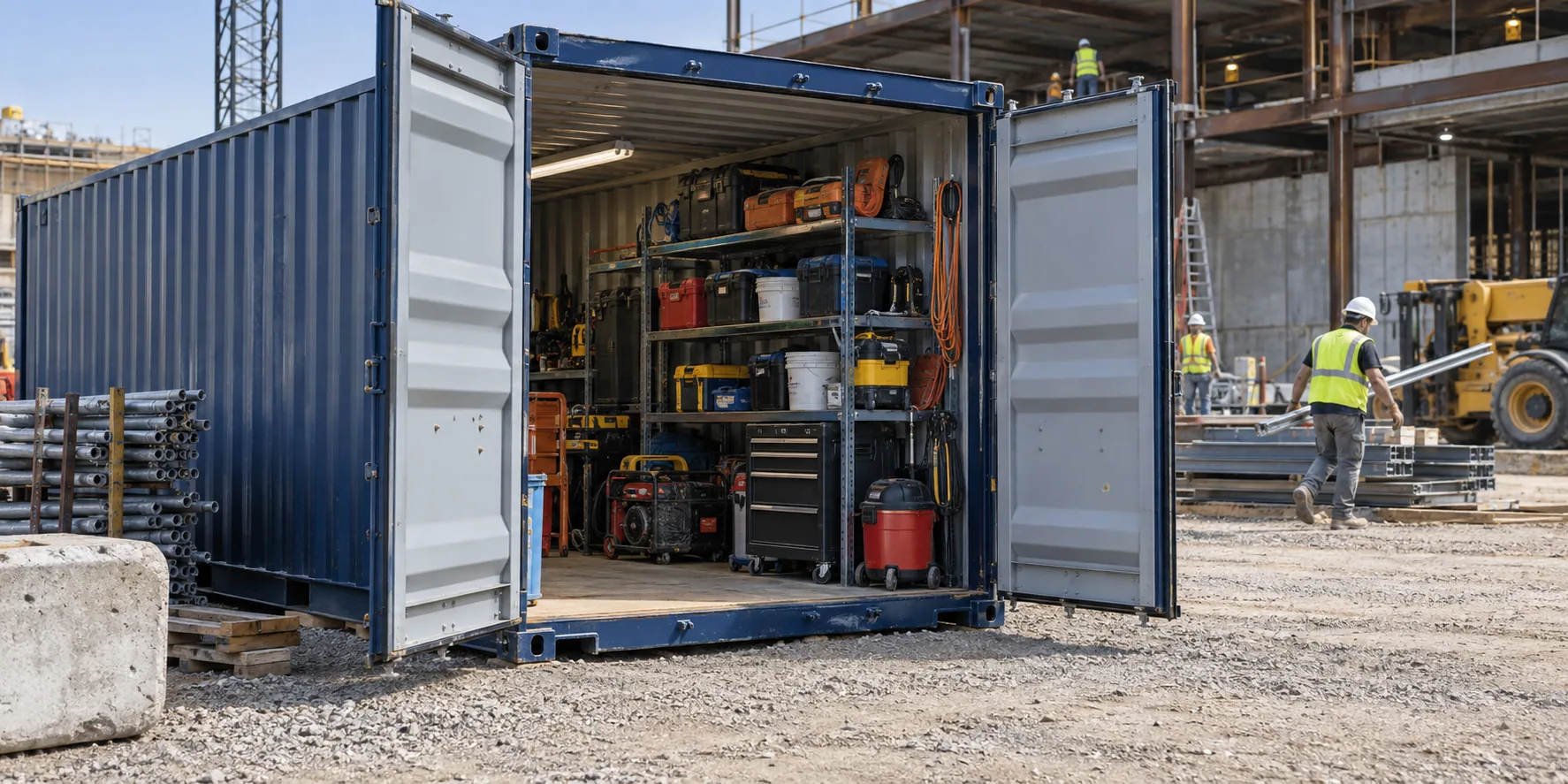
Rochester manufacturers and technical contractors should separate robust tools from components requiring controlled temperature or moisture conditions. Identify those limits before moving stock outside. For suitable materials, labeled shelving and a receiving register keep the container accountable to the main operation. Check cases and carts against the working dimensions, including space to inspect packaging. Secure outside capacity can be valuable, but treating every spare part as equally tolerant of outdoor storage creates avoidable trouble.
Plan the winter entrance before filling the box
Leave a practical cleared area for people to open doors and move supplies, and tell the plowing crew where snow must not accumulate. Store cartons raised and separate wet returned equipment from clean stock. Lease shipping containers for a shutdown, renovation or inventory peak with removal access preserved. Purchase for repeat use when the property and maintenance plan support it. Inspect door operation and support after thaw rather than waiting until a busy crew cannot gain access.