Load for year-round retrieval
Keep frequently issued tools and parts near the doors and preserve an aisle. Use the shipping container interior measurements to plan racks without restricting door operation or inspection.
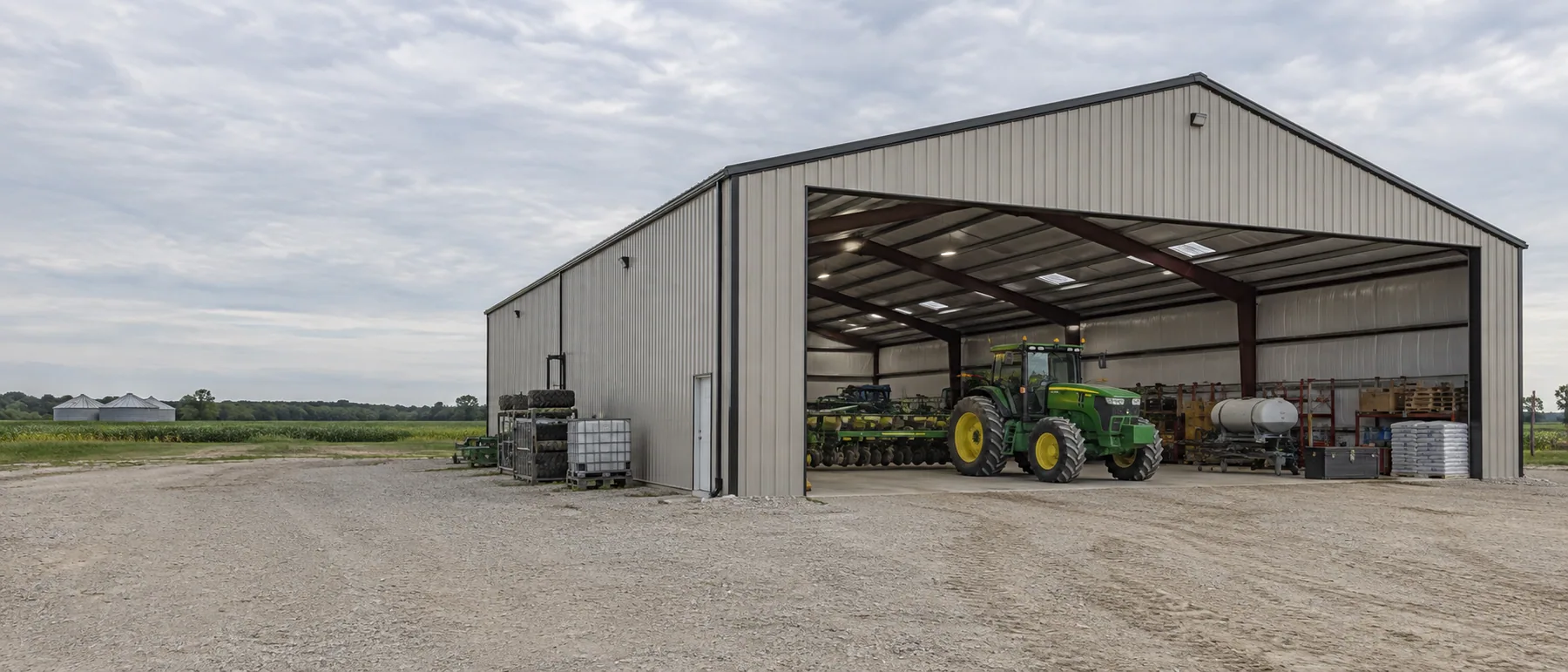
Reserve space for lake-effect snow
Do not occupy plowing or snow-storage areas. Check pavement, drainage, low clearances and the trailer path through older plants or city properties, then keep the doors reachable after storms.
Match control to the time horizon
Shipping container leasing fits renovation, shutdown and seasonal demand. Ownership suits recurring plant, contractor or waterfront support where weather maintenance is assigned.
Reserve the lake-effect snow envelope
Mark plowing routes and snow-storage areas before approving a container pad. Doors need safe year-round retrieval access, while the delivery and pickup truck needs its own working line. Check older industrial gates, pavement, rail and low clearances. Match that approach with the container footprint. Keep meltwater away from level supports and avoid a position where roofs shed snow or where later piles can isolate the unit from inspection and service.
Protect suitable inventory through seasonal swings
Load dry material, keep cartons raised and separate wet returned gear from clean supplies. Sensitive parts and paper may need moisture or temperature controls. Leasing fits construction, renovations or seasonal stock with pickup feasible at term end. Purchase fits recurring plant or contractor use with coating, seal and hardware checks assigned. Review condensation guidance and compare transport, condition and site requirements together rather than relying on a box figure that leaves winter service unresolved.