Industrial and institutional loads need clear boundaries
State what will be stored, how often it moves and whether any material has special handling requirements. Do not mix regulated or incompatible products with ordinary tools and fixtures. Use the shipping container size guide after the storage zones and aisle are defined.
Coordinate the delivery window
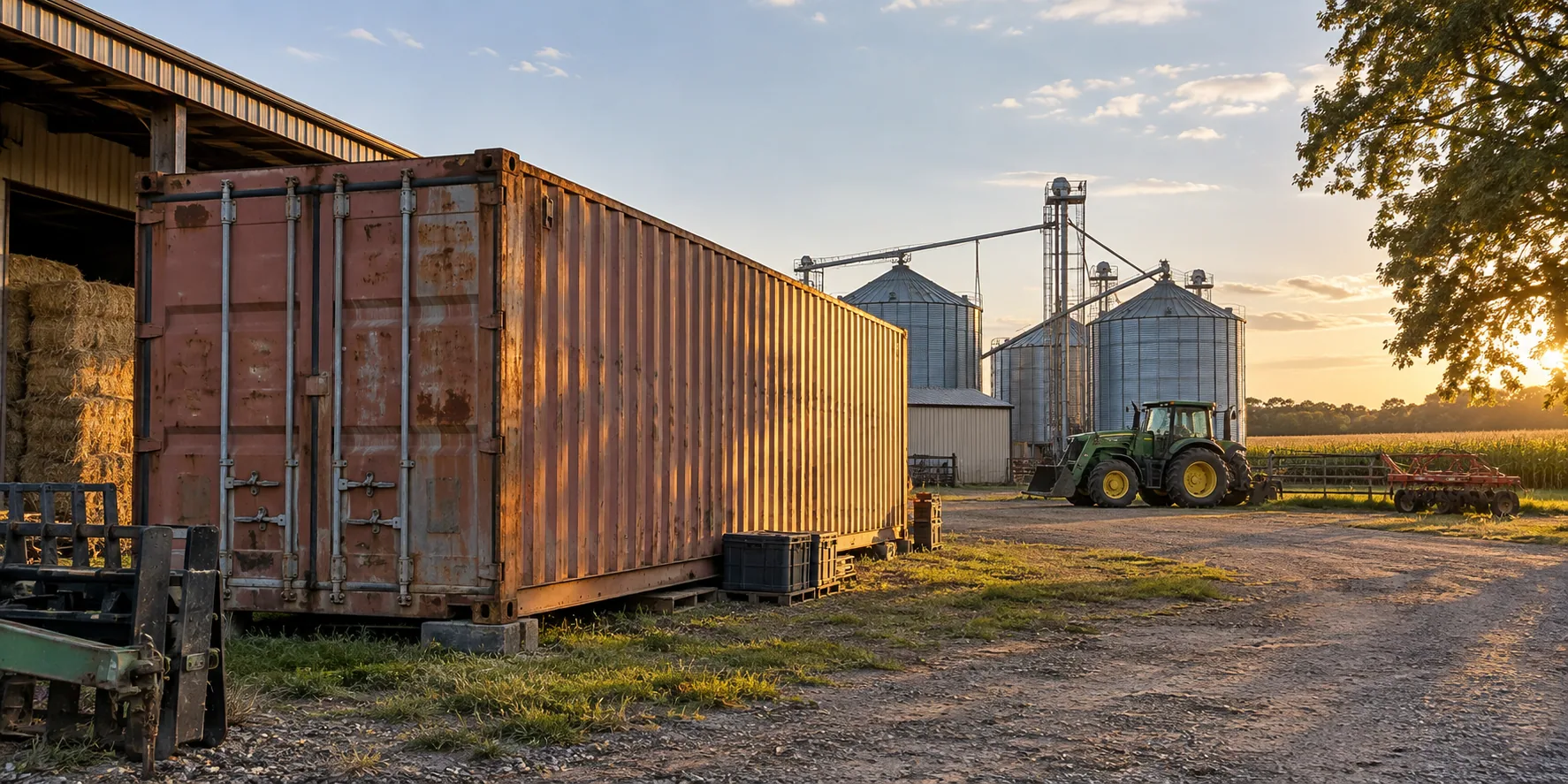
Bridges, port traffic, secured gates, shared commercial yards and city streets can affect route and timing. Confirm check-in, trailer staging, overhead clearance and who can approve the final spot. Door direction should be part of the dispatch notes.
Keep security from blocking logistics
Containers can sit inside a controlled perimeter, but gates and barriers still need to accommodate delivery and pickup. Plan fencing and access control with fire lanes, rail, docks and emergency routes in mind.
Compare the delivered commercial scope
Shipping container leasing serves renovation, shutdown and overflow periods. Purchase can fit a recurring port, plant, contractor or facility need. Compare condition, transport, term and approved modifications—not a bare monthly or unit figure.
When used equipment is offered, follow a consistent used-container inspection before purchase.
Keep urban project stock accessible and accountable
Wilmington commercial and institutional renovations can need outside space for fixtures, tools and durable supplies. Load material by installation package and keep finished goods apart from returned equipment. Check complete packed pieces against the container size guide, including retrieval space. A simple receiving register helps supervisors know what remains outside. Sensitive documents, electronics or finishes need their storage conditions reviewed before assignment, because a locked dry container does not automatically replace a controlled indoor storeroom.
Protect shared-site circulation and removal
Confirm the approved position with property management, including delivery appointments, service vehicles and pedestrian routes. Photograph the entire truck approach rather than only the intended pad. Leasing fits a defined renovation or demand peak with pickup planned. Buying shipping containers suits recurring use at an approved long-term location with upkeep assigned. Keep drainage and emergency access open, preserve winter door clearance and make sure temporary barriers or parked equipment do not eliminate the line needed for eventual truck removal.