Fit the unit to controlled access
Confirm routes, screening, delivery windows and the straight pull before choosing from the available footprints.
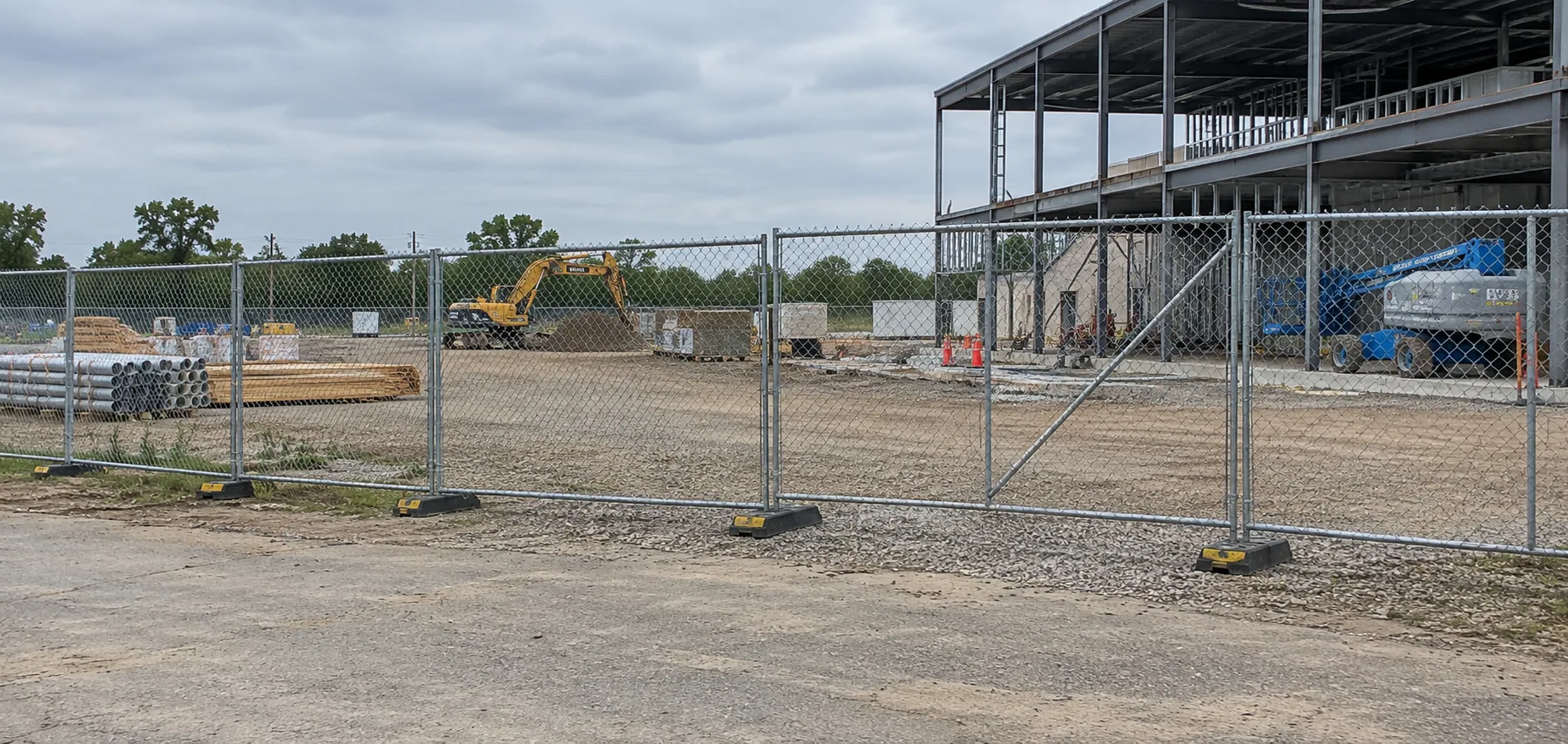
Protect public and government operations
Keep service, pedestrian, security and emergency routes open. Coordinate barriers and gates with pickup equipment.
Use temporary storage for temporary work
Lease shipping containers for renovations and events. Purchase only where an approved commercial site has recurring demand.
Build the plan around security approval
Institutional and government work can require route screening, escorts and narrow delivery windows. Confirm the approved footprint and pickup path before material is assigned to the unit.
Build security approval into the delivery request
Government, institutional and event projects can require route screening, escorts and tightly defined delivery windows. Confirm who approves the final position and what the truck must do after unloading. Compare the footprint and working dimensions with available staging space before assigning inventory. Load fixtures by project phase and keep daily tools accessible. Permission from the property owner may not resolve curb, street, pedestrian or security requirements beyond the parcel.
Keep temporary storage from becoming a permanent obstacle
Protect hydrants, emergency access, accessible routes and building service entrances. Reserve pickup as barricades, landscaping or construction change. Leasing fits a defined institutional project or event with a realistic removal plan. Purchase requires approved recurring commercial space and a practical relocation route. Review delivery-space requirements with the serving supplier so the size decision includes the trailer working envelope, not only the place where the unit will remain.