Qualify the contents first
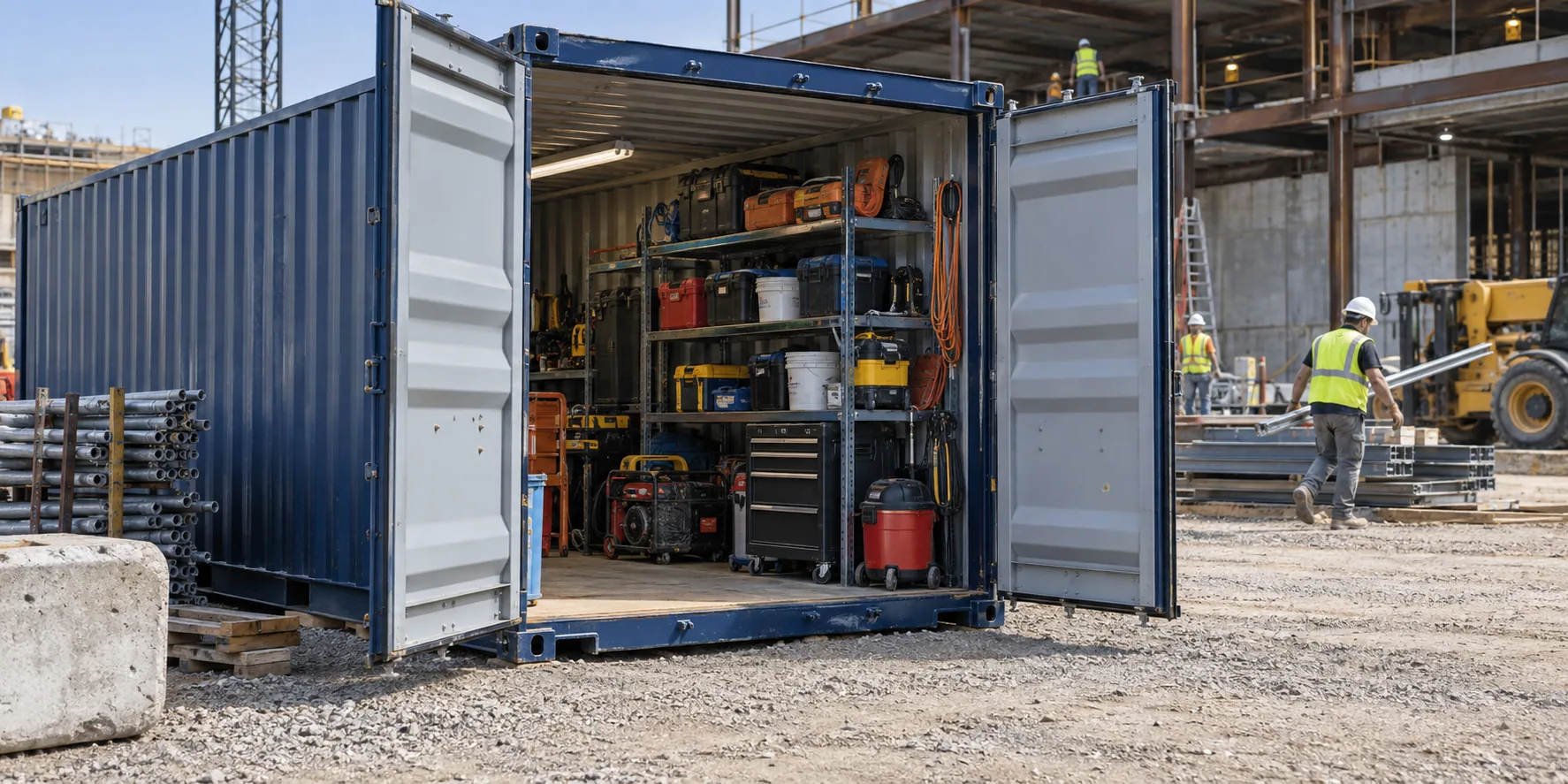
Identify temperature, cleanliness, battery, chemical and security requirements before selecting storage. For suitable parts and tools, use the shipping container working dimensions to create labeled racks and inspection space. See current container prices.
Integrate delivery with the facility
Coordinate badges, gates, shift traffic, docks, utility clearances and the fire plan. Do not position the unit where it interferes with process flow or emergency response. See current container prices.
Control project versus recurring use
Lease shipping containers for expansions and equipment transitions. Purchase for approved recurring manufacturing or contractor storage where maintenance and modifications are managed.
Separate ordinary storage from controlled manufacturing space
Fremont manufacturers should decide which materials can actually leave the building before choosing a container. Maintenance tools, durable fixtures and some packaged parts may be suitable; precision electronics or process-sensitive materials can have different requirements. Write those limits into the storage plan so employees do not gradually add unsuitable stock. Review working dimensions using the racks and carts intended for the job. Outside capacity is valuable when it releases indoor space without compromising the material being stored.
Make the container part of the facility system
Assign a location number, key owner and inspection schedule just as you would for an indoor storeroom. Keep emergency response information current and do not hide utility access behind the box. The delivery contact should know plant check-in procedures and the exact unloading position. For an expansion, compare temporary container leasing with the project schedule. For owned storage, confirm who approves modifications and how the unit remains accessible when future equipment or parking layouts change.