Organize accountable contract inventory
Separate tools and parts by work package, control access and verify shelves against the container interior. Contents needing environmental controls should be specified separately.
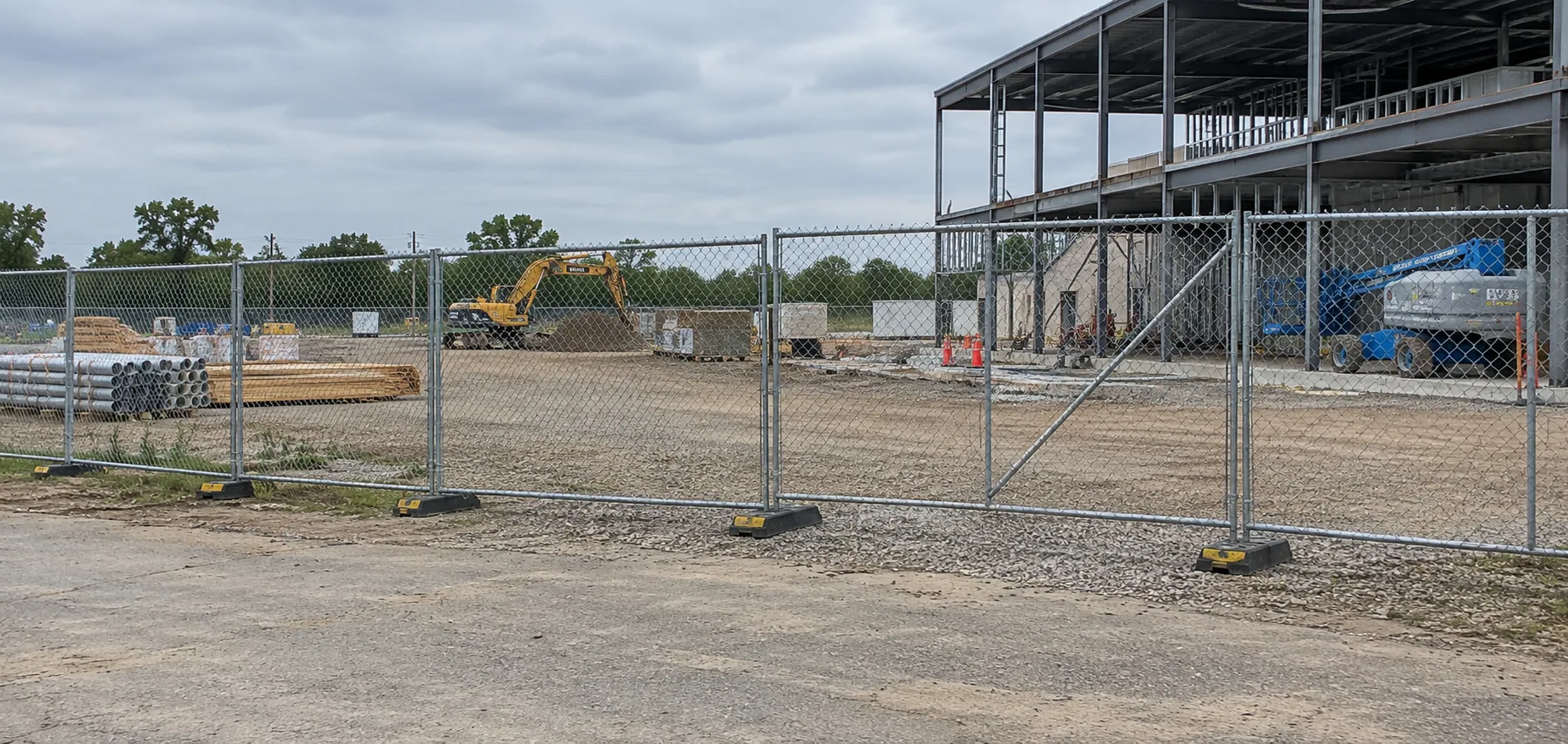
Confirm credentials and ground conditions
Document gates, escorts, delivery hours, overhead clearance and drainage. Keep fleet, government, plant and fire routes open before and after placement.
Follow the contract or operating term
Shipping container leasing fits a project or expansion. Buying fits recurring government-support, manufacturing or contractor storage where inspection and upkeep are assigned.
Organize facility projects by installation package
Montgomery public, institutional and commercial projects may receive fixtures well before rooms are ready. Mark stock by room or work package, protect finished surfaces and keep returned tools in a separate zone. The container size comparison should include the largest packed piece and the space needed to retrieve it. Sensitive electronics and materials have their own storage conditions to review. A container supports a cleaner project when it holds suitable supplies in a planned sequence rather than accepting every leftover item.
Approve delivery with the people using the property
Coordinate check-in where required and preserve parking, pedestrian access and emergency movement. Inspect drainage and the final truck pull-away area rather than focusing only on the container footprint. Shipping container leasing suits a defined build or facility assignment. Ownership suits recurring support when long-term permission and maintenance are established. Keep cartons raised, inspect door seals and leave exterior access for routine checks. Later barriers or equipment placements must not close the route needed for eventual pickup.