
Build a durable industrial stock layout
Group tools and parts by machine or job, keep heavy pieces low and maintain a center path. Match racks and long components to the shipping container interior dimensions.
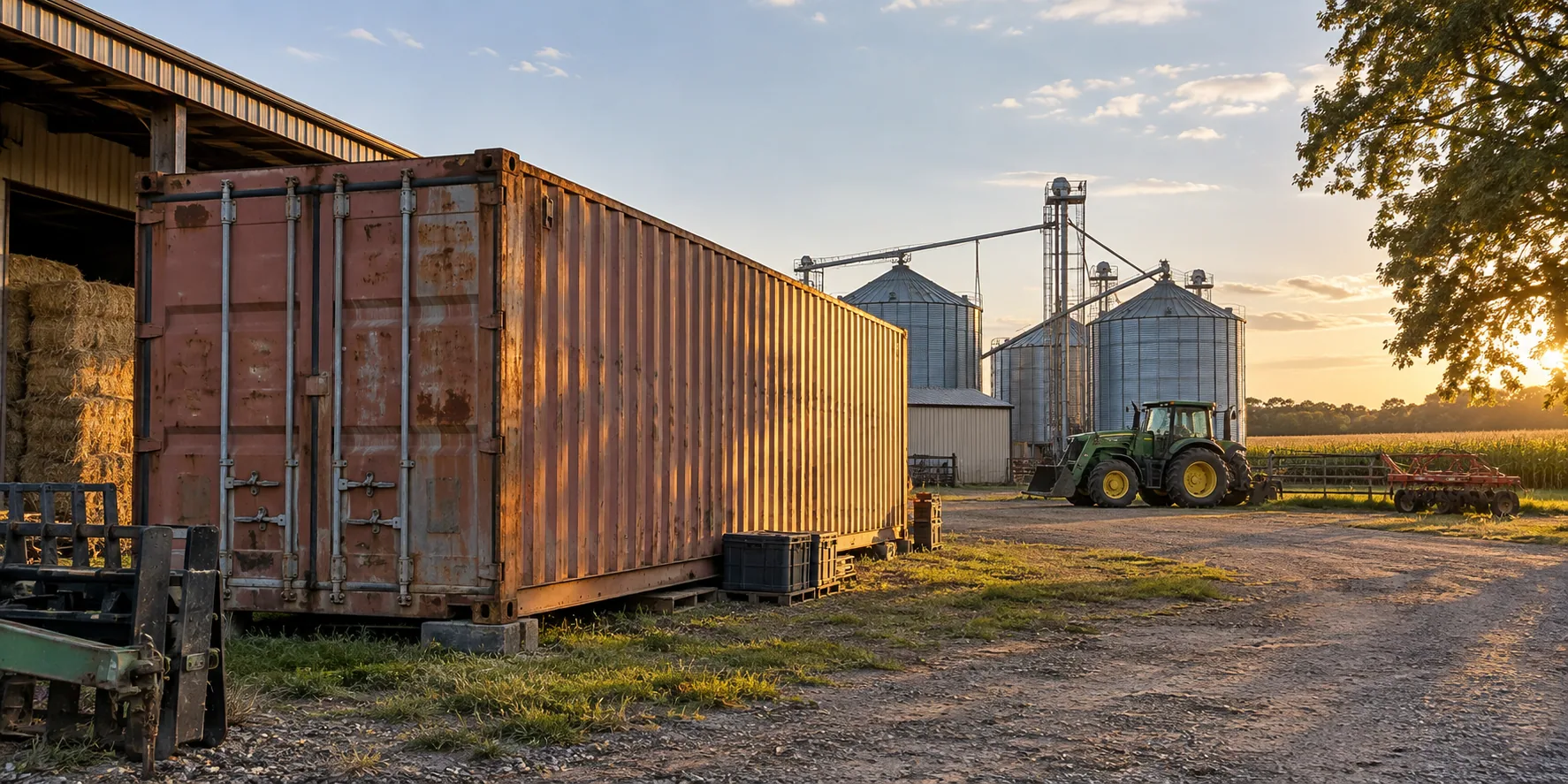
Inspect the plant or hillside approach
Confirm grades, gate widths, overhead lines, rail, docks and a stable drained pad. Coordinate delivery around shifts and protect emergency and utility access.
Cover projects or recurring production support
Lease shipping containers for shutdowns and construction. Buy for ongoing manufacturing or contractor storage; permanent equipment work may be better suited to a steel building.
Keep plant and construction supplies ready to issue
Birmingham industrial contractors should give outside stock the same location discipline as an indoor storeroom. Group material by work order, mark serviceable tools and isolate returns until inspected. Dense components need safe loading and access rather than simply more shelf space. Check packed assemblies against the container measurements, including the cargo opening. Durable project supplies can help release shop space, but precision parts or sensitive goods need their environmental requirements reviewed before they are assigned to an ordinary dry box.
Examine grades and drainage at the final position
The main road may be straightforward while the last turn into a plant or contractor yard is not. Photograph the approach and pad with utilities, slopes and parked equipment visible. Preserve emergency routes and exterior inspection room. Compare container leasing for construction or a shutdown with purchase for continuing storage. A practical request includes the contents, duration and handling method, helping the supplier discuss a suitable arrangement without inventing a layout from the street address.