Load for production or installation order
Zone gear, tools and fixtures by the crew’s sequence and verify bulky pieces against clear openings.
Schedule through traffic and gates
Confirm hills, business-park rules, loading windows and a clear trailer pull. Keep tenant and emergency routes open.
Separate storage and occupied needs
Use mobile offices for crews. Rent productions and builds; buy recurring contractor or distribution storage.
Plan around traffic and managed commercial sites
A short delivery distance can still take careful scheduling around congestion, gates and shared docks. Keep customer, employee and emergency circulation open throughout the storage term.
Keep overflow useful in a fast-moving commercial operation
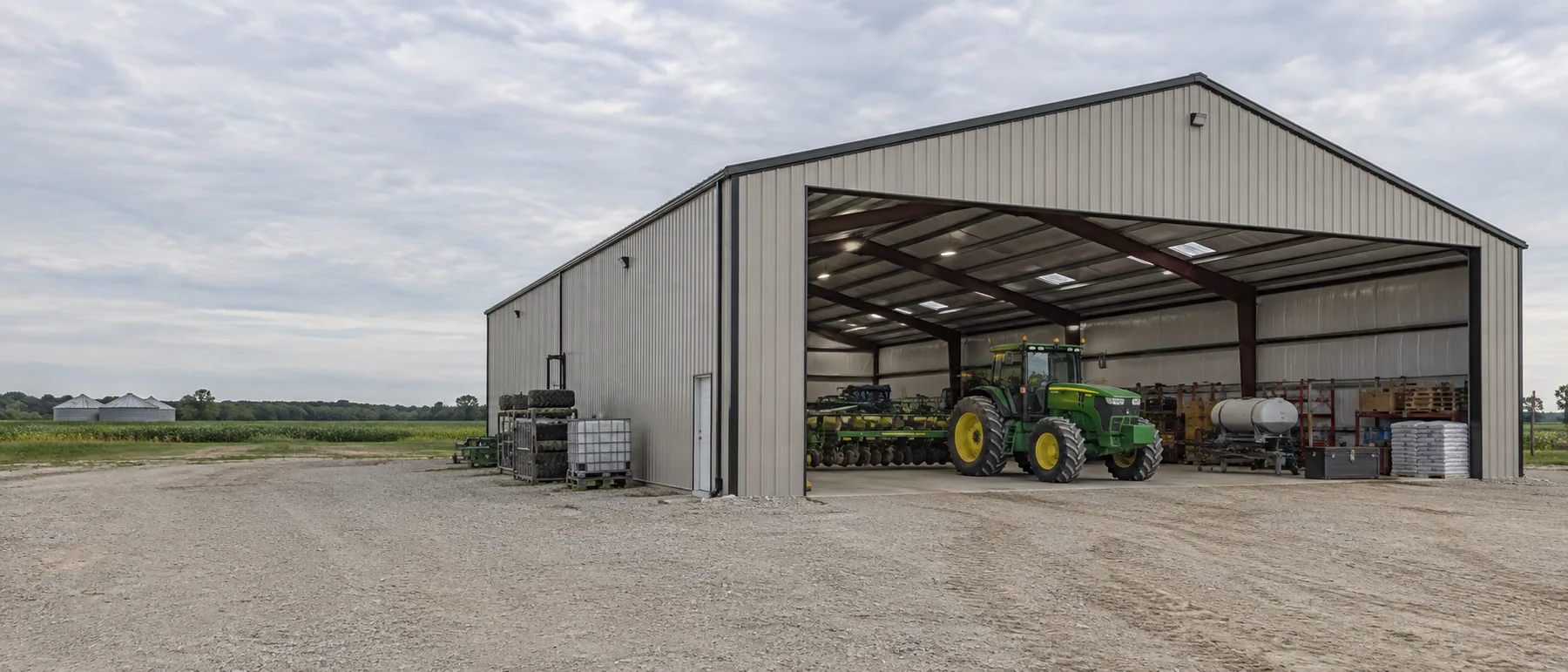
Distribution stock should retain customer and movement-rate labels, while renovation fixtures belong in installation sequence. Keep heavy goods low, frequent-use material forward and an aisle open. Compare pallets and racks with the working dimensions. Electronics, finishes, food or other sensitive goods may require environmental controls beyond ordinary storage. A container should reduce congestion inside the building without creating a difficult-to-inspect stock pile outside it.
Coordinate traffic, gates and the commercial term
Congestion can complicate even a short delivery. Confirm access windows, check-in, shared docks, screening and surface protection before dispatch. Rain-softened project ground also needs review. Rent for peaks, events or build-outs with clear extensions and pickup. Buy recurring distributor or contractor capacity where upkeep is assigned. Use the quote checklist to compare identical transport, condition and site assumptions while protecting customer, employee and emergency circulation. Give property operations a clear contact for placement-day coordination.