
Create shift-ready storage
Keep dense parts low, fast-moving stock near the doors and a clear aisle. Verify the layout with shipping container interior dimensions.
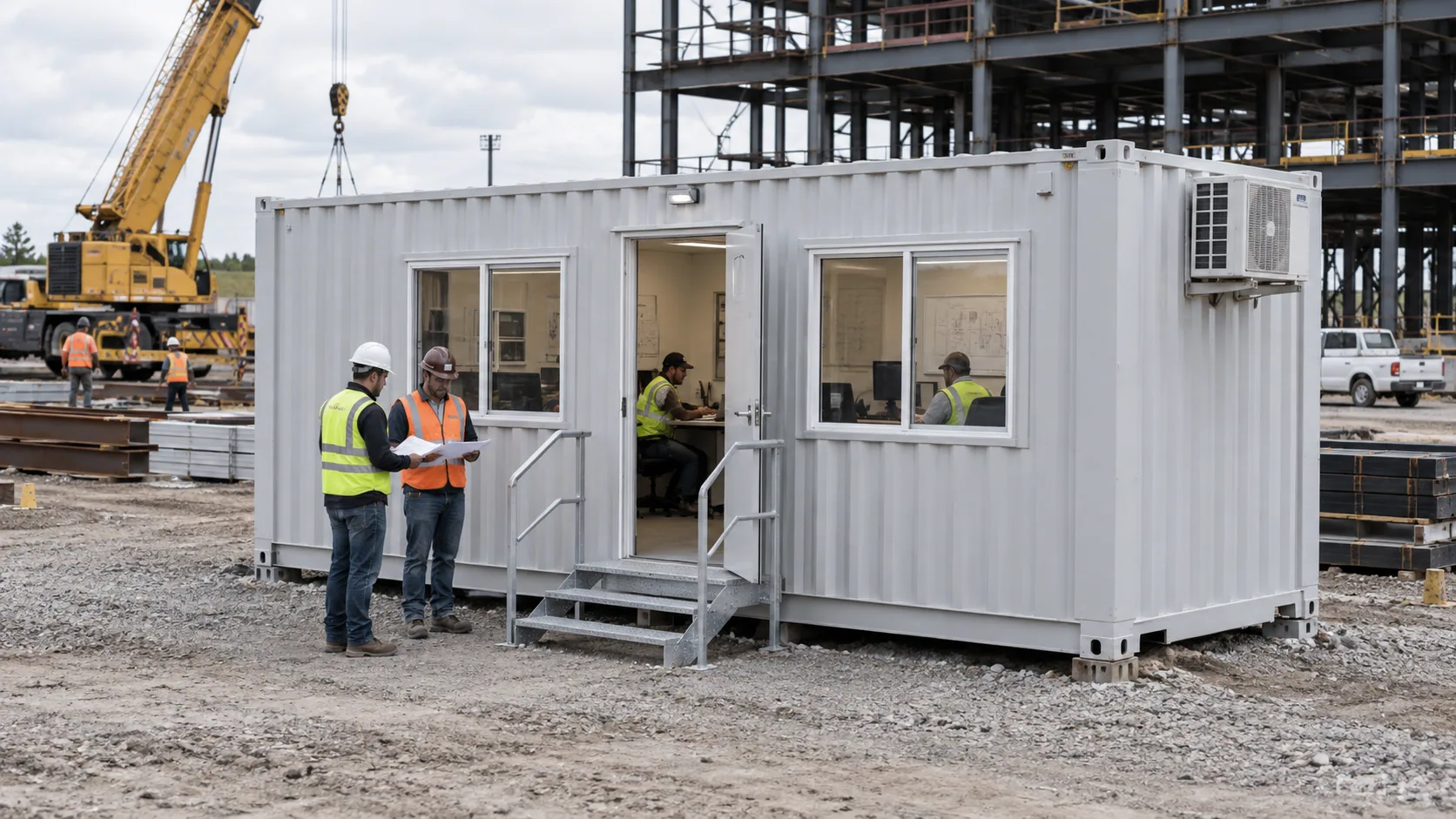
Reserve dock and snow space
Schedule around shifts, rail and forklifts, leaving room for plowing and pickup. Maintain drainage and control condensation.
Use the operating cycle
Lease shutdowns, projects and festivals. Buy recurring plant or contractor capacity; permanent work bays may favor steel buildings.
Prepare lakefront industry for winter service
Coordinate older plant access, rail, docks and snow removal. Inspect coatings and door hardware where wind and moisture exposure are higher, and keep the unit reachable for maintenance.
Keep plant parts and finish materials properly separated
Manufacturing stock should be labeled by machine or work package, with dense components low and inspection access retained. Finishes, electronics and food-adjacent materials may need temperature or humidity controls beyond ordinary storage. Compare racks and long items with the usable interior before choosing capacity. A container can support a shutdown or construction phase without becoming an untracked extension of the plant floor. Preserve daily retrieval space rather than packing every available corner.
Prepare lakefront industry for year-round service
Confirm older gates, rail, docks, pavement, overhead lines and trailer turns. Reserve snow-storage and pickup space, and inspect coatings and door hardware where exposure is higher. Leasing fits projects and inventory peaks; purchase fits recurring manufacturer or contractor storage with assigned upkeep. Review support and drainage guidance before preparing the pad. The position must keep emergency routes and winter operations working for the entire use period.