
Organize regional inventory by movement
Keep fast-turn stock forward, dense goods low and a working aisle open. Use the shipping container interior measurements to check racks and pallet positions. See current container prices.
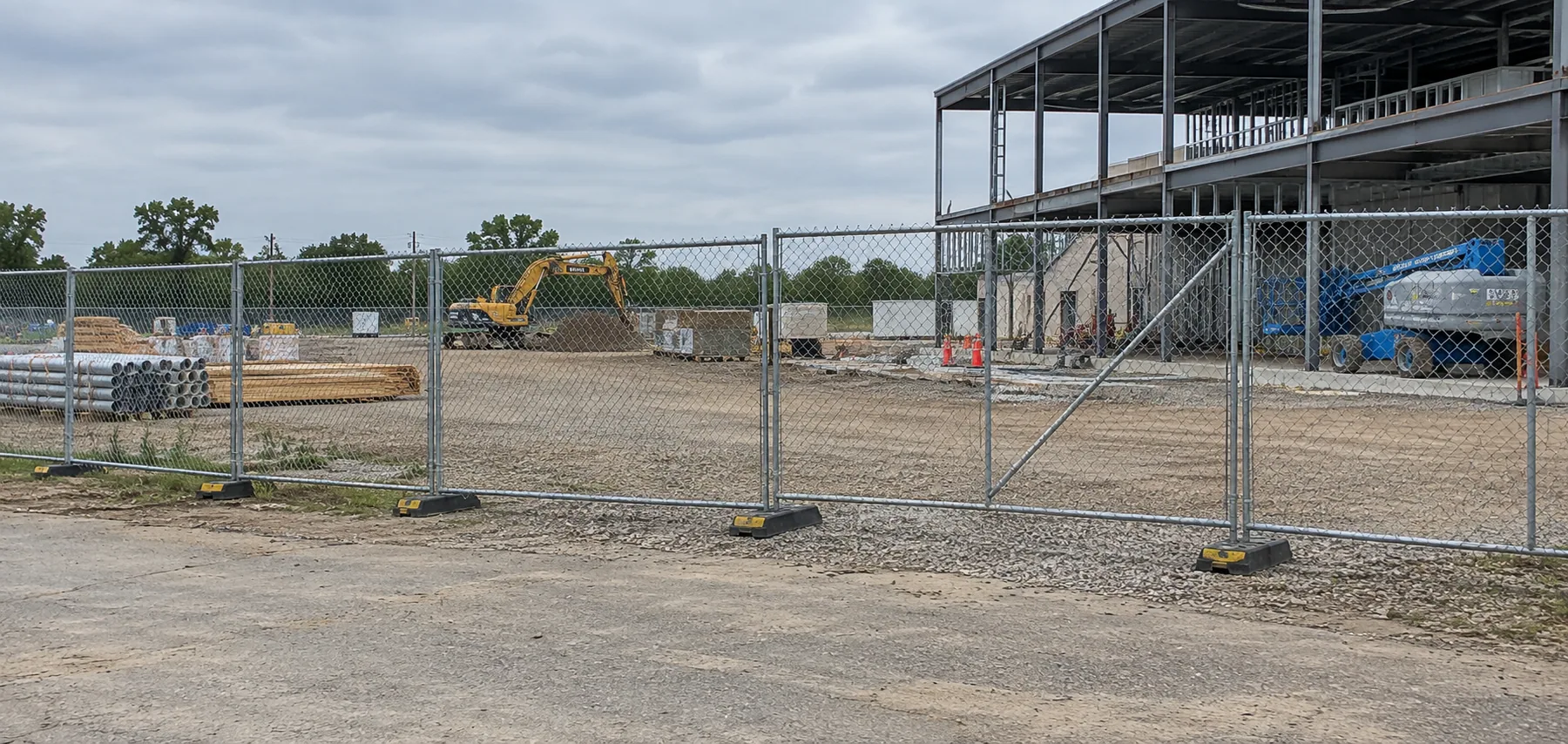
Protect freight and snow operations
Coordinate gates, docks, rail, trailer turns and shift changes. Reserve plowing and pickup room and move drainage away from the supports. See current container prices.
Use surge or steady capacity
Lease shipping containers for seasonal distribution, plant work and construction. Own recurring manufacturing, warehouse or contractor storage with long-term site approval.
Give manufacturing reserve stock a clear location
Aurora plant and contractor teams should register outside supplies in the same system used for indoor stock. Label shelves by work order, identify reserved components and separate returns from checked equipment. Measure carts and packed assemblies against the container dimensions before committing to a layout. A practical issue aisle matters more than filling every inch. Durable materials may be suitable for ordinary dry storage, while precision or temperature-sensitive goods need their environmental requirements reviewed before they leave the building.
Leave space for plows and the pickup truck
Confirm winter door access and where snow will be piled before the unit arrives. Preserve a clear landing for workers carrying tools and keep exterior inspection room available. Leasing shipping containers can follow construction or a plant change. Purchase can serve recurring storage when the approved site and maintenance owner are established. Recheck support and door operation after seasonal ground changes. Later fencing or additional equipment should not quietly eliminate the route a truck needs for eventual removal.