Keep port and plant inventory accountable
Label zones by job or release status, control heavy goods and preserve an inspection path. Use the size and door guidance for racks, pallets and long components.
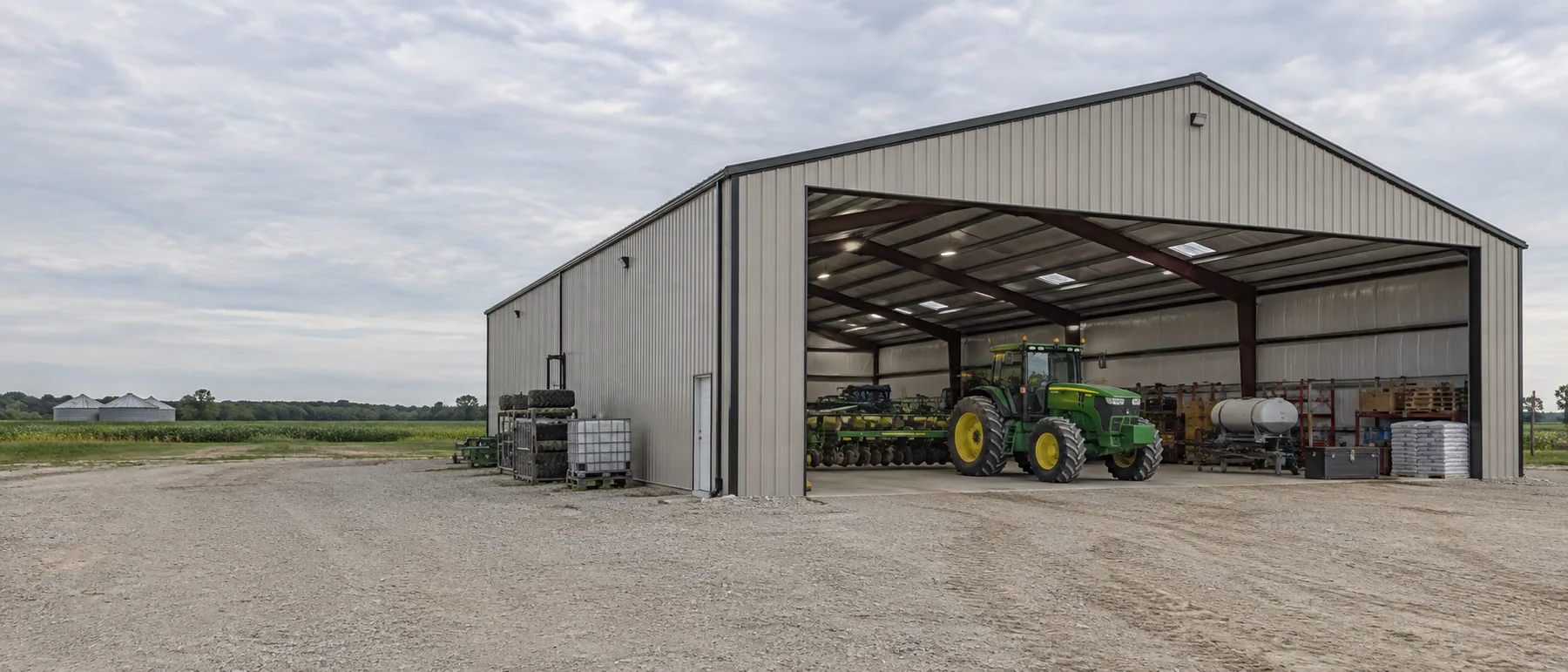
Review grades, security and freight movement
Confirm terminal or facility check-in, rail, cranes, trailer turns and delivery timing. Outside industrial sites, hills, wet ground and neighborhood access can be the limiting factors.
Pick temporary or owned capacity
Lease shipping containers for contracts, shutdowns and construction. Purchase for recurring port, manufacturing or contractor storage where coating, drainage and access are maintained.
Keep release status visible in port-related storage
Tacoma freight and industrial contractors should avoid mixing material awaiting inspection with supplies ready to use. Colored location labels or a simple written register can keep the distinction clear without expensive equipment. Leave room to examine cartons, read part numbers and move a cart through the doorway. Verify the largest item against the container dimensions, including packaging and lifting attachments. A secure container is useful only when the crew can retrieve the right material without disrupting the yard.
Look beyond the gate when planning placement
A property may have a wide entrance yet still present a tight bend, slope or busy crossing farther inside. Send a continuous set of approach photographs rather than one picture of the pad. Coordinate placement with freight movements and keep the future removal line available. Compare leasing shipping containers for a defined project with buying for a recurring operation. The stronger decision includes condition, maintenance access and transport requirements, not just how long the box is.