Plan the load for wet-weather access
Keep sensitive goods raised, daily tools near the door and a retrieval aisle open. Check the clear interior dimensions.
Account for hills and limited staging
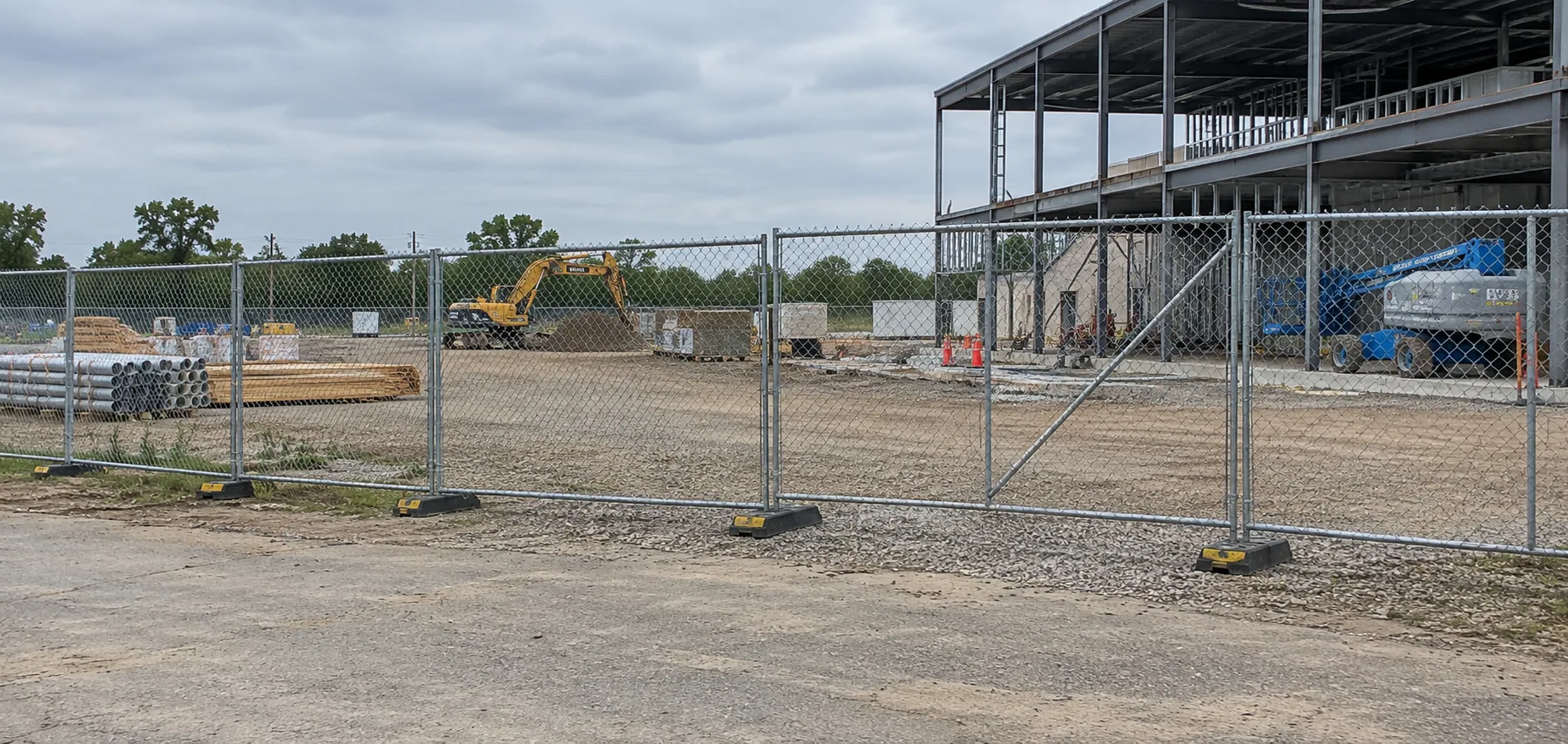
Verify grades, turns, wires, delivery windows and ferry or secured-site constraints. Prepare stable supports and direct runoff away.
Use the project horizon
Rent shipping containers for builds, events and peaks. Buy for recurring marine, facility or contractor storage and maintain corrosion protection.
Load for rain without treating leaks and condensation alike
Keep wet marine or field gear separate from clean cartons, raise sensitive supplies and retain an inspection aisle. Check roof, gaskets and seams before loading, then review condensation controls for humid air and temperature swings. Use the interior dimensions to plan accessible zones rather than packing to the doors. Weather resistance and environmental protection are related concerns, but they are not the same specification.
Coordinate hills, docks and managed properties
Confirm grades, overhead lines, gate procedures, delivery hours and where the trailer can straighten. Marine and industrial sites add cranes, rail and freight circulation; urban projects add pedestrians and scarce curb space. Lease around a building phase or seasonal peak with pickup reserved. Buy for continuing contractor or marine-service use when coatings, drainage and hardware inspections are assigned. Keep future barriers and site improvements from turning secure storage into equipment that cannot be removed.