
Lay out material for active crews
Keep high-turn stock forward, separate wet field equipment from clean supplies and compare racks with the usable interior.
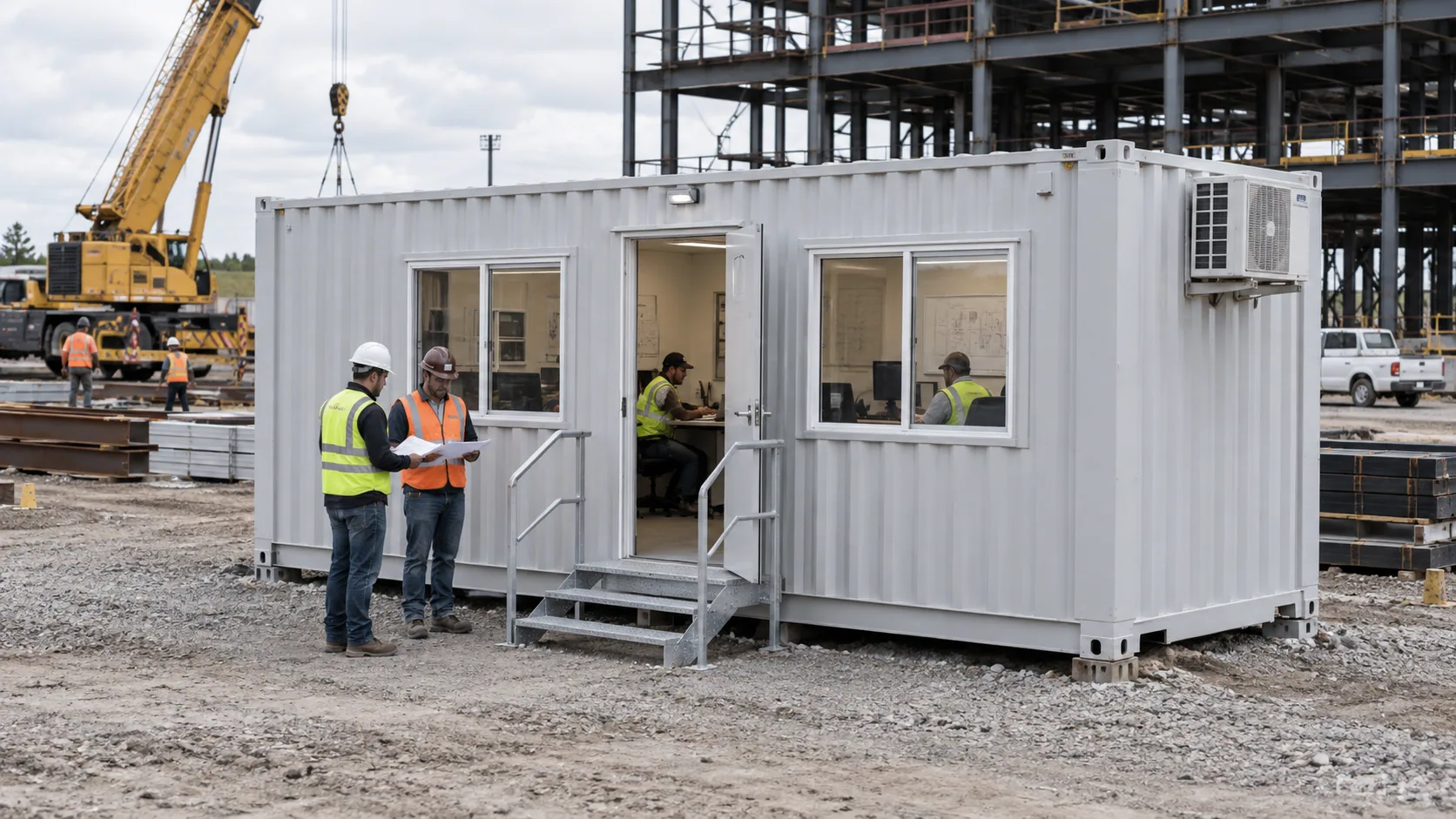
Coordinate wet-weather industrial access
Check drainage, soft shoulders, gates, rail, docks and trailer traffic. Avoid low areas and retain inspection, fire and pickup access around the box.
Follow the construction or operating cycle
Rent shipping containers for projects and distribution peaks. Own recurring manufacturer, port-support or contractor storage where exterior condition and drainage are maintained.
Keep regional service material ready for dispatch
Vancouver contractors and distributors should decide which suitable reserve supplies can leave the main building without disrupting daily picking. Mark locations by route or job, identify reserved material and keep returned equipment separate. Compare racks and bulky cases with the inside measurements, allowing room for a cart and inventory checks. Outside storage can relieve a crowded operation, but a container full of unidentified stock simply moves the problem beyond the loading door.
Consider wet-weather retrieval as well as delivery
Inspect the path workers will use with tools and carts, not only the truck’s unloading position. Mud and standing water at the doors can make an otherwise secure box unpleasant to use. Keep wet returned gear away from clean cartons and leave drainage routes open. A lease works for construction or temporary overflow; ownership suits ongoing contractor or facility storage at an approved site. Preserve exterior inspection and pickup room when later yard changes, fencing or landscaping arrive.