Organize for border and field work
Keep high-turn parts accessible and verify pallets, racks and bulky equipment against the clear dimensions.
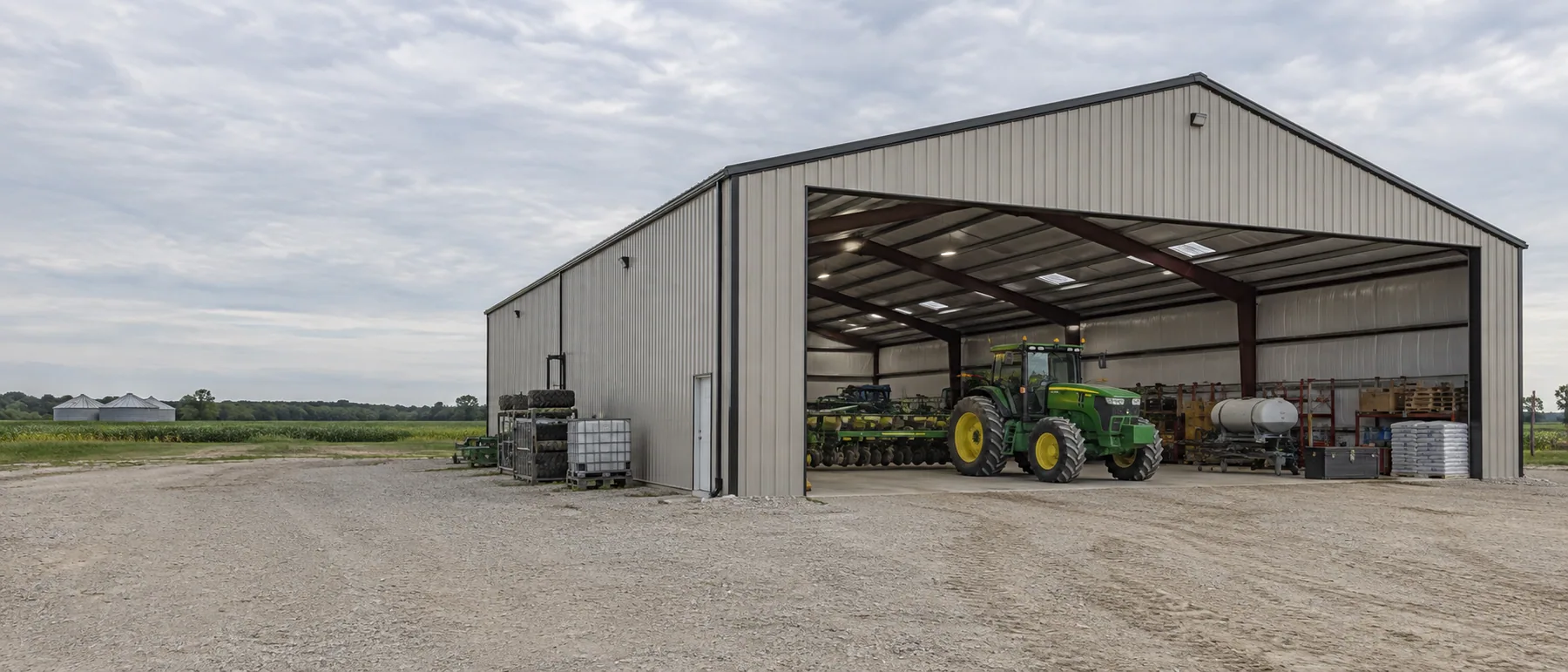
Coordinate gates and long approaches
Account for security, traffic, dust, wind and surface strength, protecting customs, dock and truck circulation.
Plan for heat and duration
Condition sensitive goods as required. Lease projects and overflow; buy recurring logistics, service or contractor storage.
Coordinate border logistics and desert exposure
Security checkpoints, truck queues and customs-related operations require a precise delivery window. Heat, dust and wind also affect contents, workers and local placement requirements.
Separate border logistics from field-service storage
Warehouse overflow should retain release-status and customer labels, while contractor parts need job and issue-frequency zones. Dense items belong low and a retrieval aisle should remain open. Use the size guide to check pallets, racks and long equipment. Heat, dust and controlled-material requirements may change which contents suit ordinary storage. A container should support an accountable logistics process rather than hide goods outside the main inventory system.
Coordinate security, desert access and operating term
Confirm gates, credentials, truck queues, grades, soft shoulders and the final trailer pull. Keep freight, emergency and utility routes clear. Rent for a contract, building phase or volume peak with clear pickup arrangements. Buy recurring service or warehouse capacity where condition and maintenance are assigned. The quote checklist helps ensure competing offers use the same size, condition, transport and access assumptions instead of comparing unlike delivered jobs. Gate personnel need the same access instructions as the dispatcher.