
Do not confuse dry storage with cool storage
Tools and many building materials may be suitable, while electronics, chemicals and temperature-sensitive goods need a separate review. Use the shipping container dimensions chart only after deciding which contents belong in the unit. See current container prices.
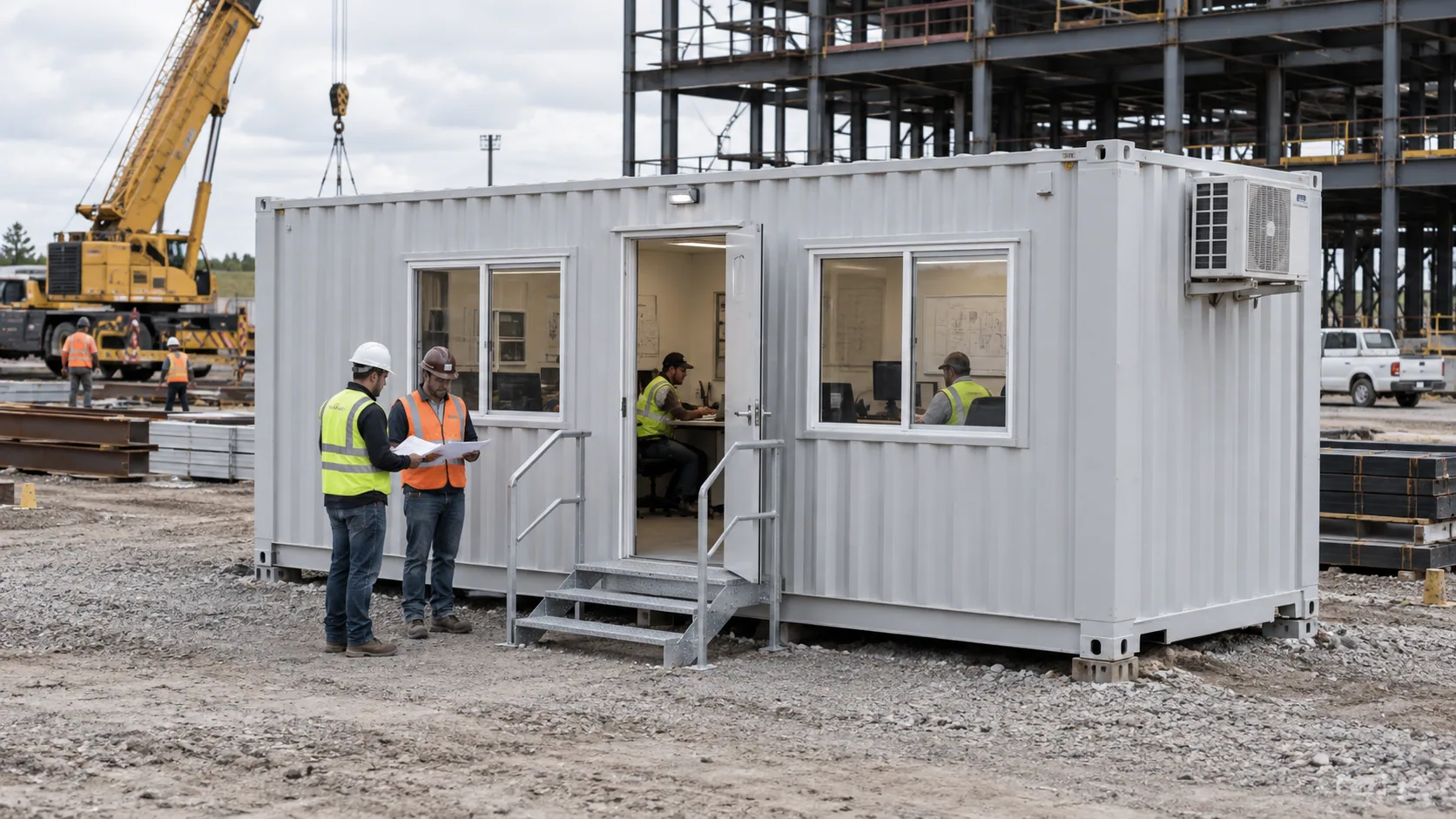
Plan around communities and active jobsites
Check association or property approval, construction gates, dust, overhead clearance and a firm trailer pull. Keep school, resident, customer and emergency traffic separated from delivery. See current container prices.
Match the term to the growth cycle
Shipping container leasing works for a development phase or seasonal equipment. Buying fits a contractor or landscape operation with repeat use and approved yard space.
Heat-sensitive products need their own specification
Rugged tools may suit ordinary storage, while adhesives, electronics, food or controlled materials can need different conditions. Write those requirements down before deciding whether vents, insulation or conditioning are appropriate. Check the usable interior for shelves and a retrieval aisle rather than planning to pack the box solid. A larger unit or better exterior appearance does not automatically solve temperature protection. Keep storage use separate from any proposal for daily occupied workspace.
Coordinate development and community activity
Confirm property or association rules, construction gates, overhead lines, drainage and trailer pull-away space. School, resident and emergency routes must remain open. Leasing can follow a building phase or seasonal equipment need; purchase fits a continuing contractor or landscape yard with maintenance assigned. Use the placement checklist before preparing supports, and protect pickup as later fences, parked equipment or landscape work reduce the available approach. Keep resident access separate when construction deliveries share community entrances.