
Keep farm and service inventories separated
Organize repair parts and packaged supplies by use, and never combine incompatible agricultural or maintenance materials casually. Compare the resulting zones with common container dimensions.
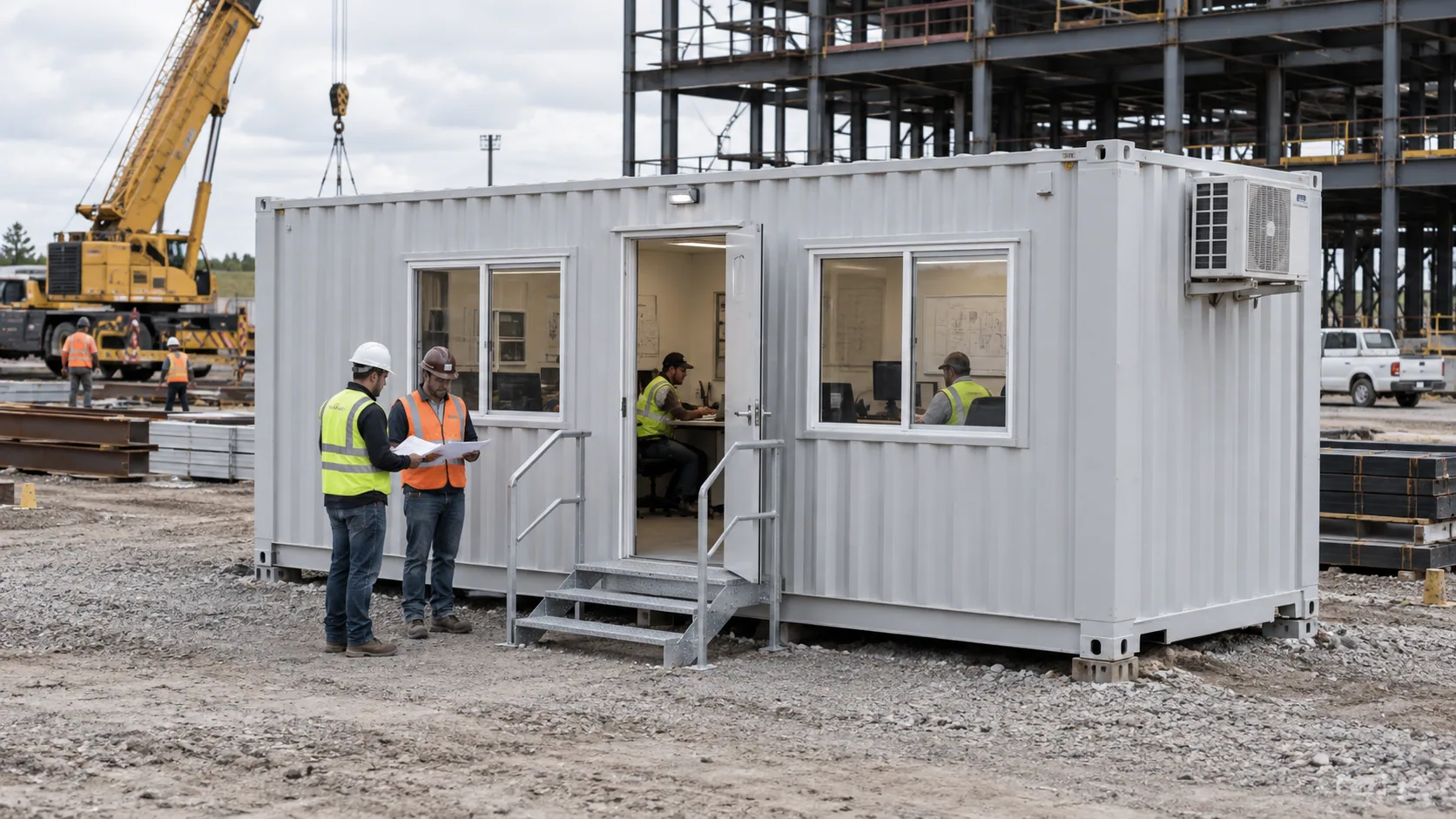
Check the road beyond the city grid
Gates, cattle guards, culverts, overhead lines and soft shoulders can change delivery feasibility. On a commercial site, coordinate instead with docks, shifts and fleet traffic.
Plan for wind and ongoing work
Ask about local anchoring and placement requirements, keep equipment routes open and manage dust at the doors. Lease shipping containers for seasonal or project use; buy for recurring farm-service or contractor storage.
Separate agricultural products before choosing capacity
Ordinary repair parts, packaging, feed, chemicals and temperature-sensitive supplies should not be treated as one category. Define suitability and incompatibilities before loading. For appropriate stock, use the interior measurements to organize equipment and issue-frequency zones. Keep dense parts low and an aisle open. Cotton and food-adjacent operations may have specific sanitation or product requirements, so a dry steel shell should not be assumed to satisfy every storage use on the property.
Plan for wind, dust and rural delivery
Check gates, cattle guards, culverts, overhead lines and surface strength along the final route. Reserve farm, fleet and emergency movement and confirm local anchoring requirements. Rent for harvest support, construction or service programs; buy recurring farm-service or contractor capacity with maintenance assigned. Review farm-storage guidance, and compare wider machinery coverage with a steel building when the actual need includes permanent equipment bays or covered work. Farm-service crews should retain a clear map of stored repair stock.