Make overflow pickable
Zone by movement rate, keep dense goods low and verify rack and pallet clearance using the container dimensions.
Plan for shifts, heat and rain
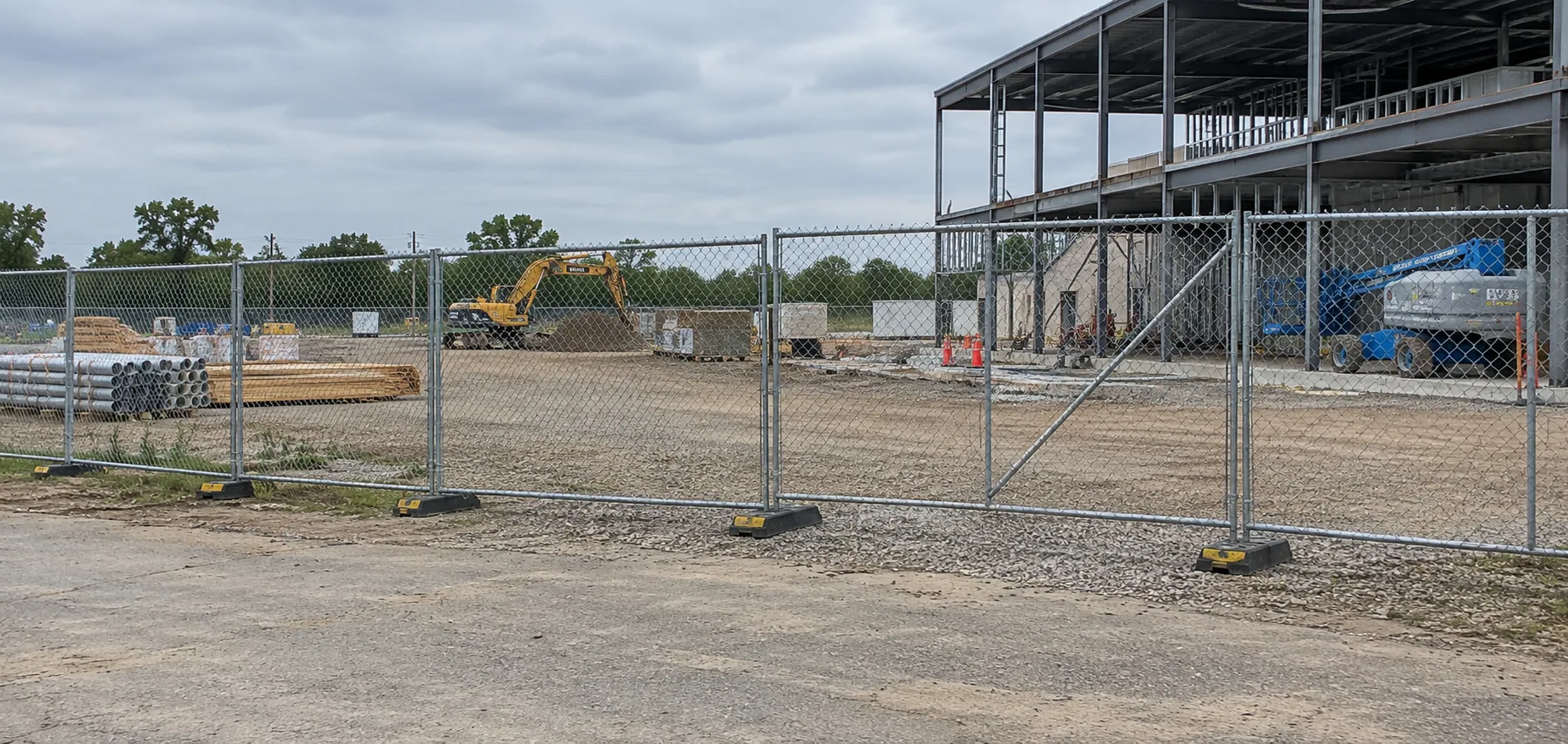
Schedule the truck through secured gates, maintain drainage and protect live freight routes.
Use demand duration
Lease peaks and projects. Buy for recurring distribution, plant or contractor capacity.
Keep air and ground freight moving
Distribution properties should map dock approaches, trailer queues and shift changes around the placement. Storm drainage and heat protection for sensitive goods also belong in the operating plan.
Treat container overflow as warehouse inventory
Air- and ground-freight businesses should retain release status, labels and retrieval procedures outside the main building. Zone goods by velocity, keep dense material low and preserve an aisle. Compare pallet and rack plans with the interior and door dimensions. Heat-sensitive products and damp returned equipment need specific handling decisions. Extra capacity is useful only when staff can find, inspect and issue stock without disrupting the normal warehouse process.
Schedule around continuous logistics operations
Confirm gates, docks, trailer queues, shift changes and the exact door orientation before delivery. Heavy rain makes drainage and surface strength important, especially on unpaved project sites. Rent for peaks, construction or contract work with a protected pickup line. Buy for continuing distributor or contractor storage with maintenance assigned. Use the quote information checklist to compare condition, transport, term and site requirements on identical assumptions. Warehouse teams should review retrieval routes during peak freight shifts.