
Build an accessible project inventory
Group materials by phase, reserve a center aisle and verify large equipment against the door dimensions. Keep clean supplies separated from wet tools or returned field gear.
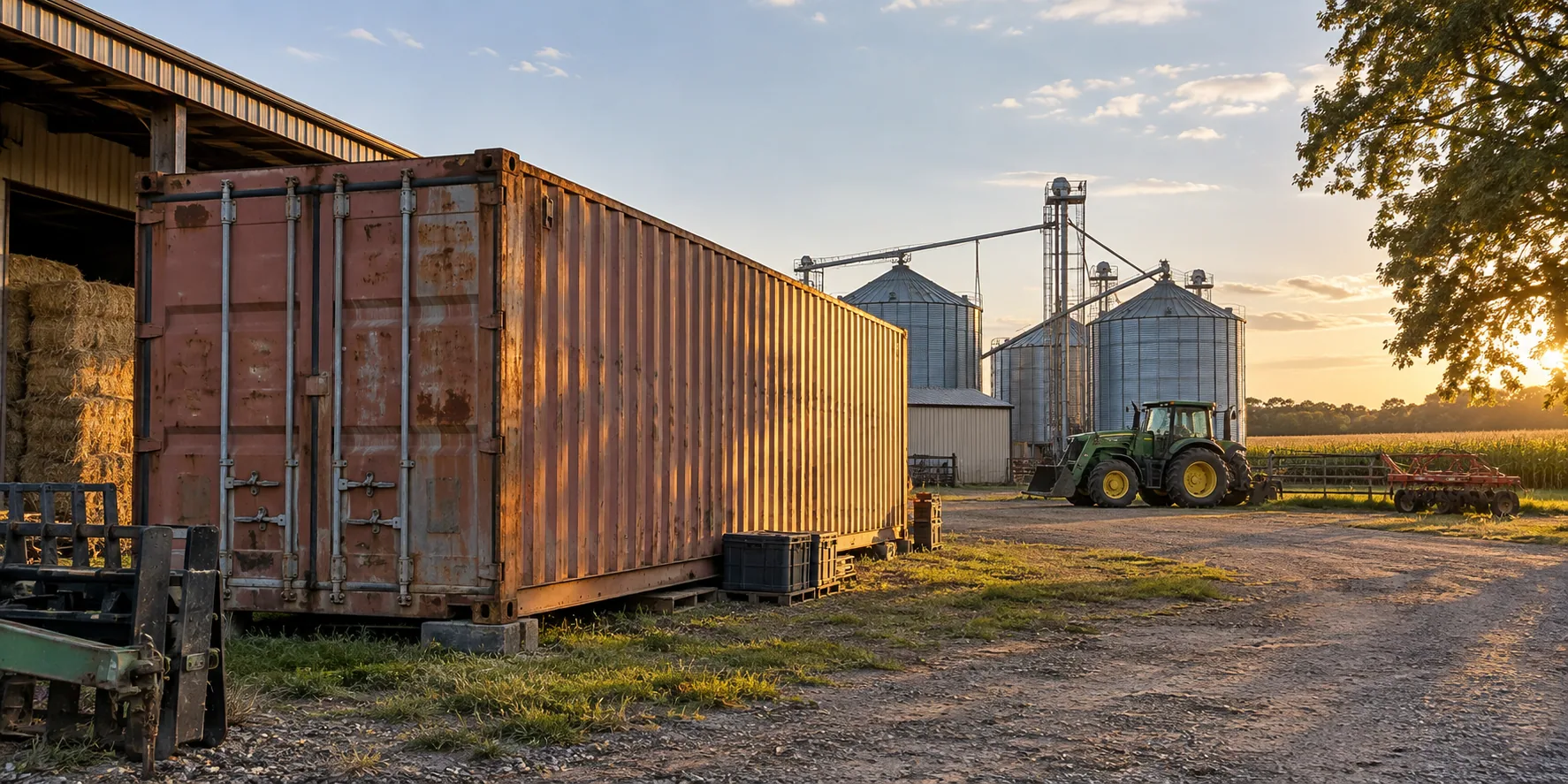
Check grades and storm drainage
Confirm the truck route, gates, tree clearance and stable support. Avoid swales and keep utility, institutional and emergency access open after placement.
Use flexibility where schedules move
Lease shipping containers for renovations, utility work and project peaks. Buy for recurring contractor, distributor or facility storage with long-term approval.
Give project supplies a planned receiving point
Little Rock construction and institutional projects can avoid crowded indoor corridors by staging suitable materials outside. Arrange them in installation sequence and leave inspection room so damaged shipments are identified before crews need them. Durable tools and packaged supplies may suit a dry box, while sensitive finishes require their storage conditions checked. Compare the container size options against the complete packed load. The usable layout should include the largest item, a retrieval aisle and somewhere to receive the next delivery.
Check the approach after wet weather
Hills, drainage and soft shoulders can affect the final truck movement even when the main road is straightforward. Photograph the pad, approach and proposed door direction with nearby obstacles visible. For a defined build or renovation, review leasing shipping containers with pickup arranged. For recurring facility or contractor use, compare purchase options and maintenance responsibilities. Keep runoff, emergency movement and future construction out of the storage position rather than solving those conflicts after the unit arrives.