Control parts and tools
Store dense stock low and verify racks and cases against the clear dimensions.
Plan for gates, weather and shifts
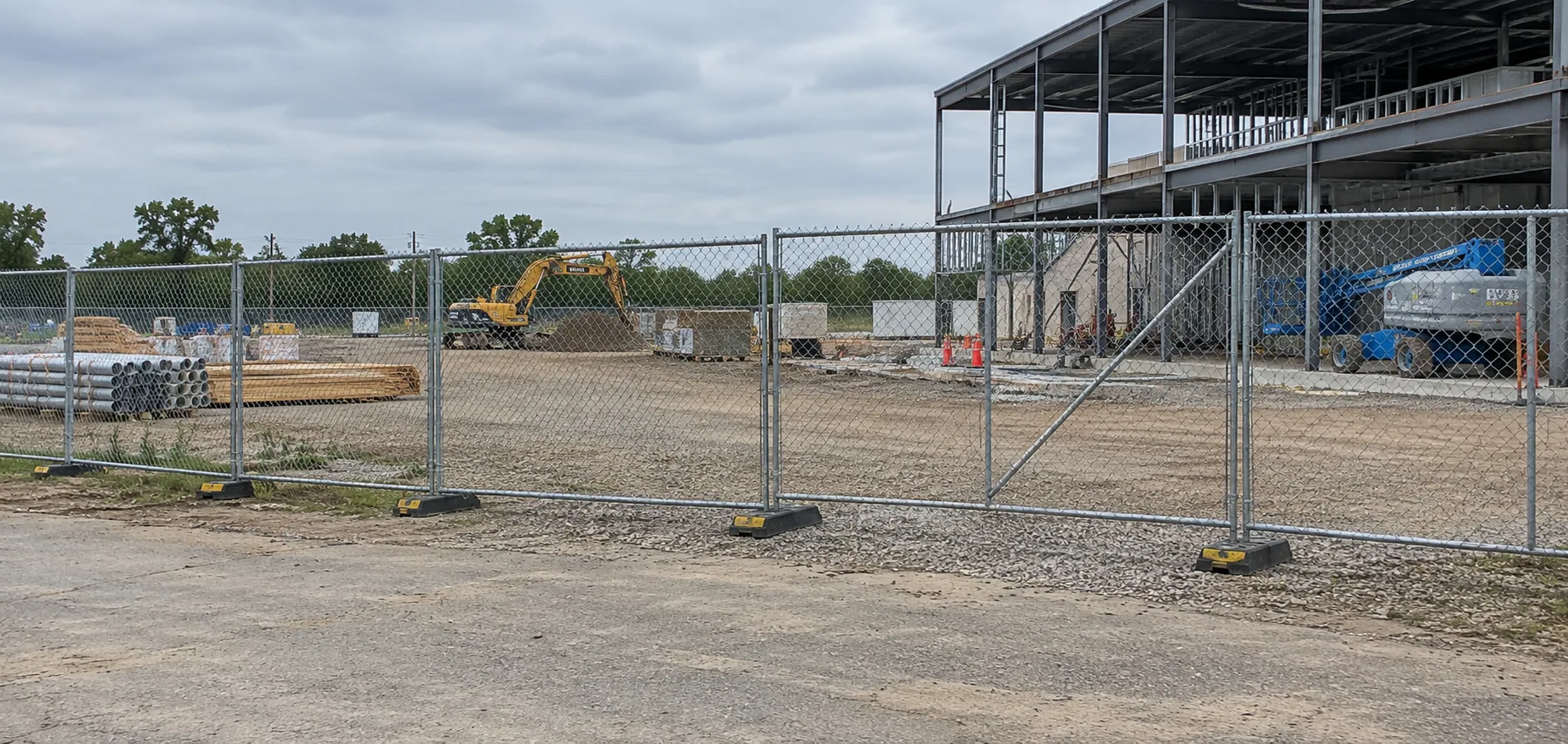
Confirm access, drainage and wind requirements and keep docks, aircraft-support and emergency routes open.
Match the contract to the work
Lease field work, events and shutdowns. Buy recurring plant, aerospace or contractor capacity.
Plan around energy and aviation work
Dense fittings and aircraft-support parts require controlled loading and clear identification. Keep the container outside equipment routes and verify wind-related placement requirements with the appropriate local authority.
Build a parts room that supports skilled work
Energy and aviation-service stock should be labeled by system or work package, with dense fittings low and inspection access retained. Components requiring traceability, cleanliness or controlled temperature should follow approved handling procedures rather than enter ordinary outdoor storage. Use the working dimensions for racks and long items. The container should make suitable inventory easier to issue, not become a steel holding area where critical parts are buried behind unrelated equipment.
Keep wind exposure and industrial circulation in view
Confirm gates, rail, docks, overhead lines, drainage and the trailer pull-away area. Exposed sites should resolve local anchoring requirements, while rural approaches need culvert and surface checks. Rent for a plant project or field contract with pickup protected. Buy recurring service capacity with assigned inspections. Review used-container condition before ownership, including roof, floor, seals and hardware rather than exterior paint alone. Service crews should update labels when parts change work packages.