
Design for picks and returns
Zone by movement rate, keep dense goods low and preserve an aisle. Select length and height using the shipping container working dimensions. See current container prices.
Coordinate warehouse traffic
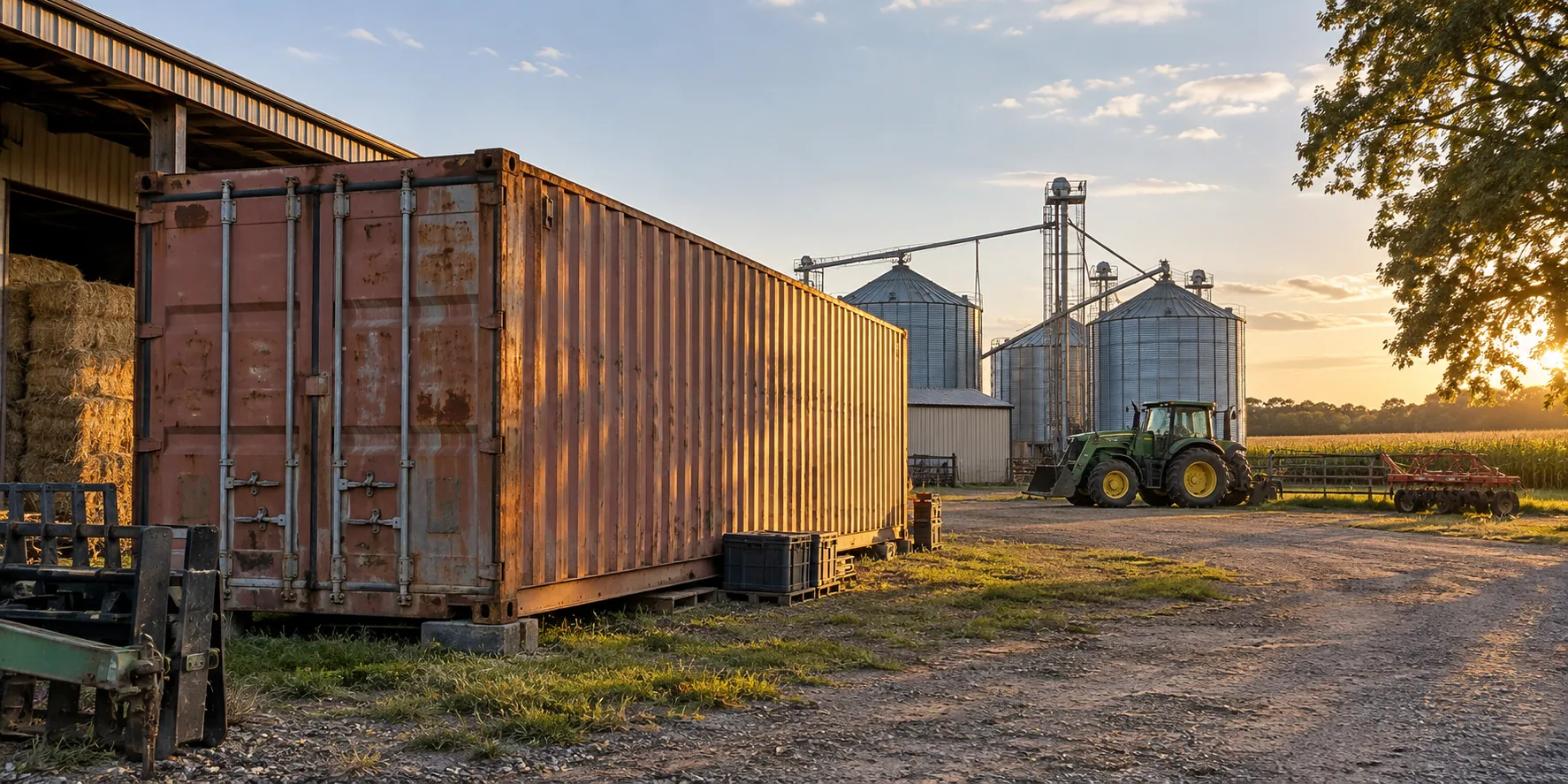
Schedule around docks, shifts and semitrailer turns, accounting for winter and spring conditions on gravel sites. See current container prices.
Treat recurring demand differently
Lease shipping containers for peaks and projects. Purchase for recurring distribution or maintenance capacity; wide permanent work may favor a steel building.
Organize campus and logistics material by use
University projects, regional warehouses and construction crews need different access patterns. Put early-installation supplies and daily issue stock near the doors, keep dense components low and leave inspection space. Compare racks, carts and awkward fixtures with the working dimensions. Sensitive research or electronic equipment may need controlled conditions rather than ordinary outdoor storage. Keeping those requirements explicit helps prevent a convenient temporary box from becoming an unsuitable equipment room.
Reserve access through winter and expansion
Coordinate campus delivery windows or warehouse gates, docks and trailer turns. Keep snow-storage, fire and utility routes open, and preserve pickup as later paving or fencing changes the site. Leasing suits renovations, inventory peaks and construction phases. Purchase suits recurring manufacturer or contractor storage with assigned upkeep. Review support and drainage choices before preparing a position that must remain stable through freeze-thaw and heavy-yard activity. Campus changes should be reviewed before each planned material delivery.