Design overflow around movement rate
Keep high-turn cartons or parts forward, dense material low and a clear retrieval aisle. Compare rack and pallet plans with the container size guide. See current container prices.
Do not sacrifice a trailer turn
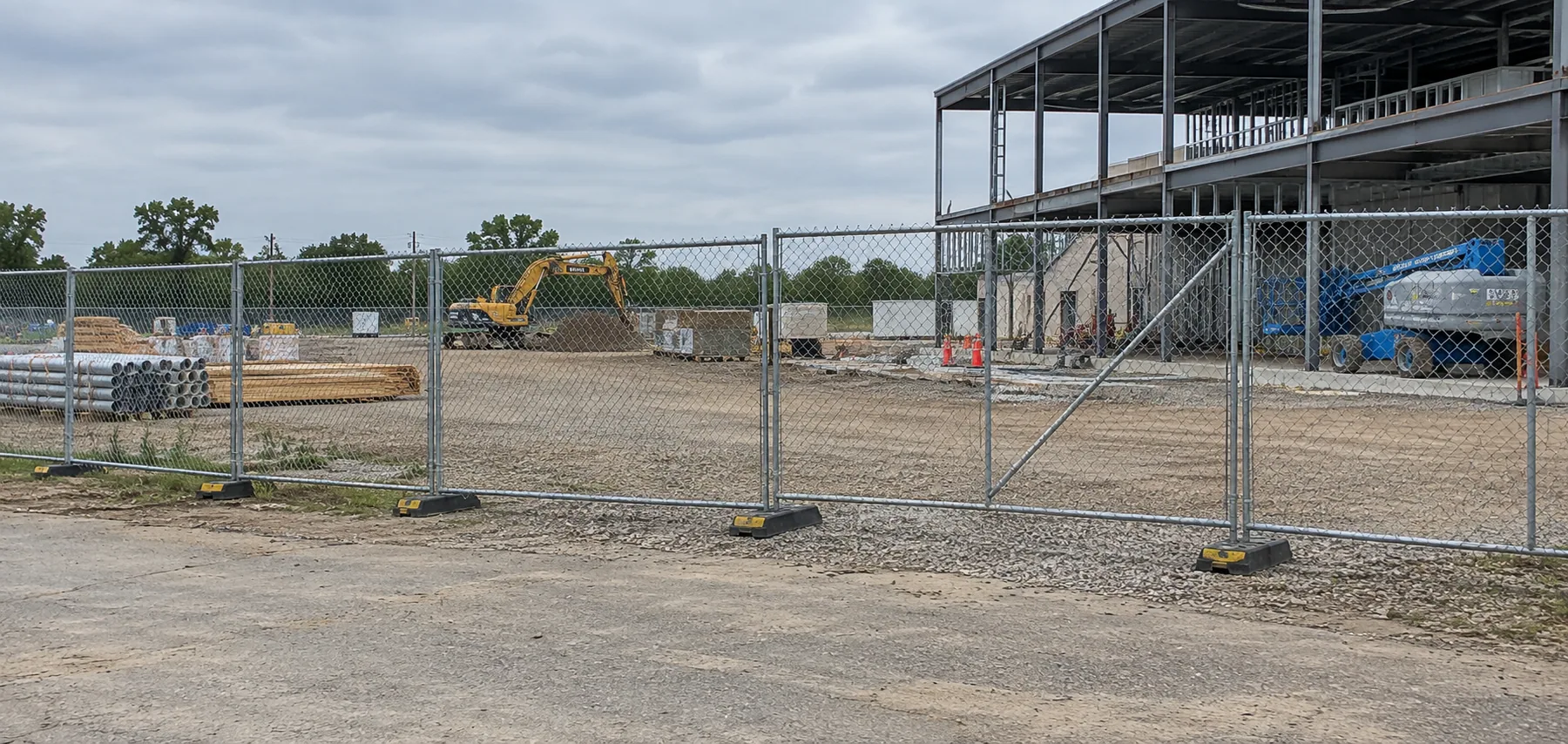
Coordinate gate check-in, docks, hostlers, parked equipment and shift changes. Confirm heat protection for sensitive goods and maintain fire, rail and utility clearances. See current container prices.
Scale for peaks or routine demand
Rent shipping containers for seasonal volume and construction. Own continuing distribution or contractor capacity where the unit can remain accessible and maintained.
Use outside stock to relieve the warehouse
San Bernardino distribution operations should choose container contents by movement pattern. Durable reserve stock and project supplies can be better candidates than orders that require constant picking throughout the shift. Label the outside location in the inventory system, keep a receipt log and establish a replenishment routine. Compare the interior dimensions with pallet or shelving plans before ordering. A container should reduce pressure inside the warehouse without creating a second, poorly tracked stockroom that slows every order.
Do not spend dock capacity on storage
Walk the proposed position during an active freight period. Trailer tails, forklift crossings and queue lines may occupy space that appears empty early in the morning. Keep the removal path clear even if the unit will remain for several months. Ask about shipping container leasing for volume peaks and purchase options for continuing reserve capacity. Describe heat-sensitive contents honestly so the storage specification addresses their needs instead of assuming a steel shell provides temperature control.