Separate food-adjacent and farm materials
Clarify sanitation, pest, chemical and temperature requirements before assigning contents. For suitable tools, parts and packaging, use the container measurements to retain clean zones and retrieval space.
Check irrigation, yards and rural roads
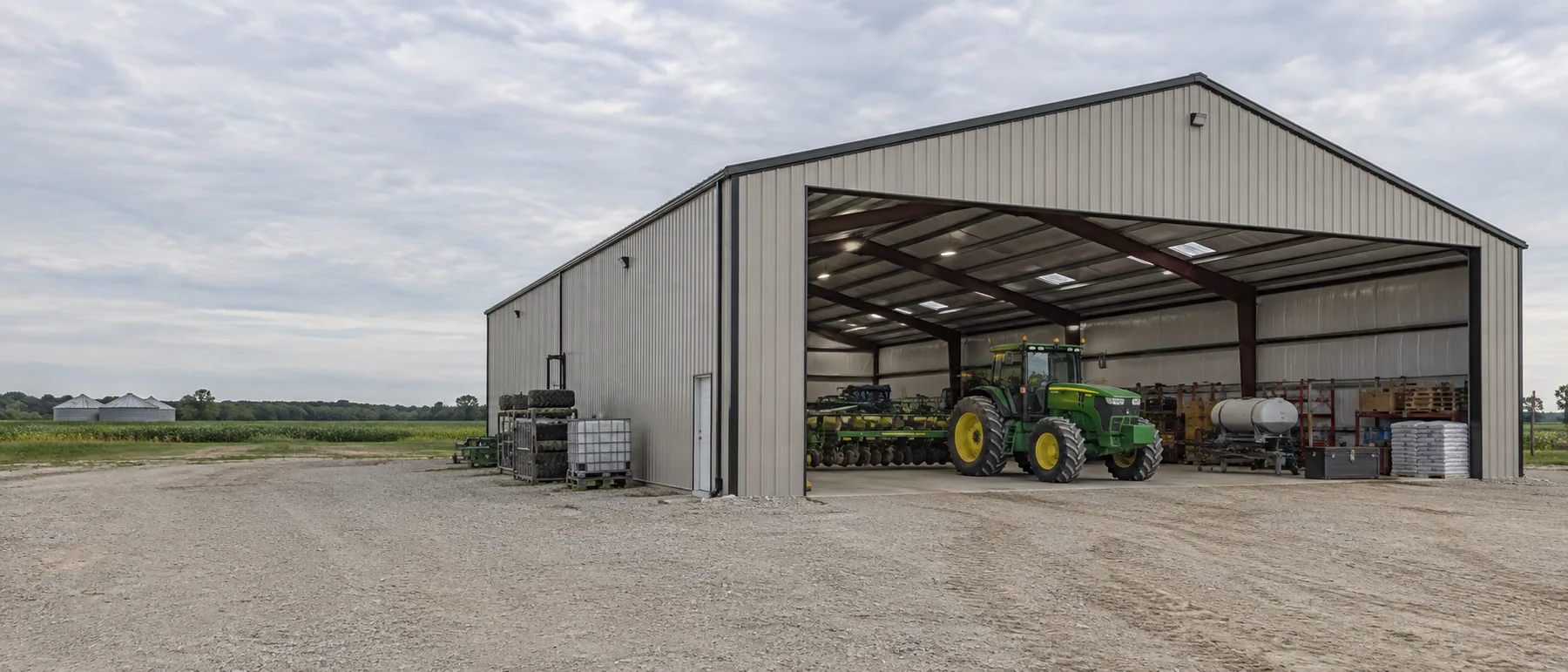
Confirm gates, culverts, soft shoulders and overhead lines on farm properties. Plants and warehouses add docks, rail and shift traffic. Keep drainage and emergency routes open in either setting.
Use seasonal or recurring capacity
Shipping container leasing fits harvest support, plant work and construction. Buying fits recurring farm-service, food-facility or contractor storage with assigned maintenance.
Keep packaging and farm repair supplies distinct
In Modesto, outside storage may serve a processor, farm service business or contractor, but those loads should not be treated alike. Separate clean packaging from oily tools, lubricants and used equipment. Check the suitability of any food-adjacent material with the facility’s requirements before moving it outside. Plan shelves against the container measurements and leave a path for inspection. Dry secure storage can support a busy operation without pretending to replace a refrigerated room or controlled production area.
Account for the farm approach and the next season
Inspect irrigation crossings, gate corners and soft shoulders on the final approach. A truck needs more than enough room for the container itself. Mark the pad outside equipment travel and water flow, then decide how supplies will be retrieved during harvest or wet weather. Compare seasonal leasing with buying shipping containers for repeat use. Include cleanup between seasons so old packaging and returned tools do not consume the capacity you expected to have available.