Stage remote-bound material deliberately
Group parts by destination and mobilization sequence, keep critical items accessible and verify bulky freight against the door and interior dimensions. Weight distribution matters when the unit may later move.
Design the pad for winter access
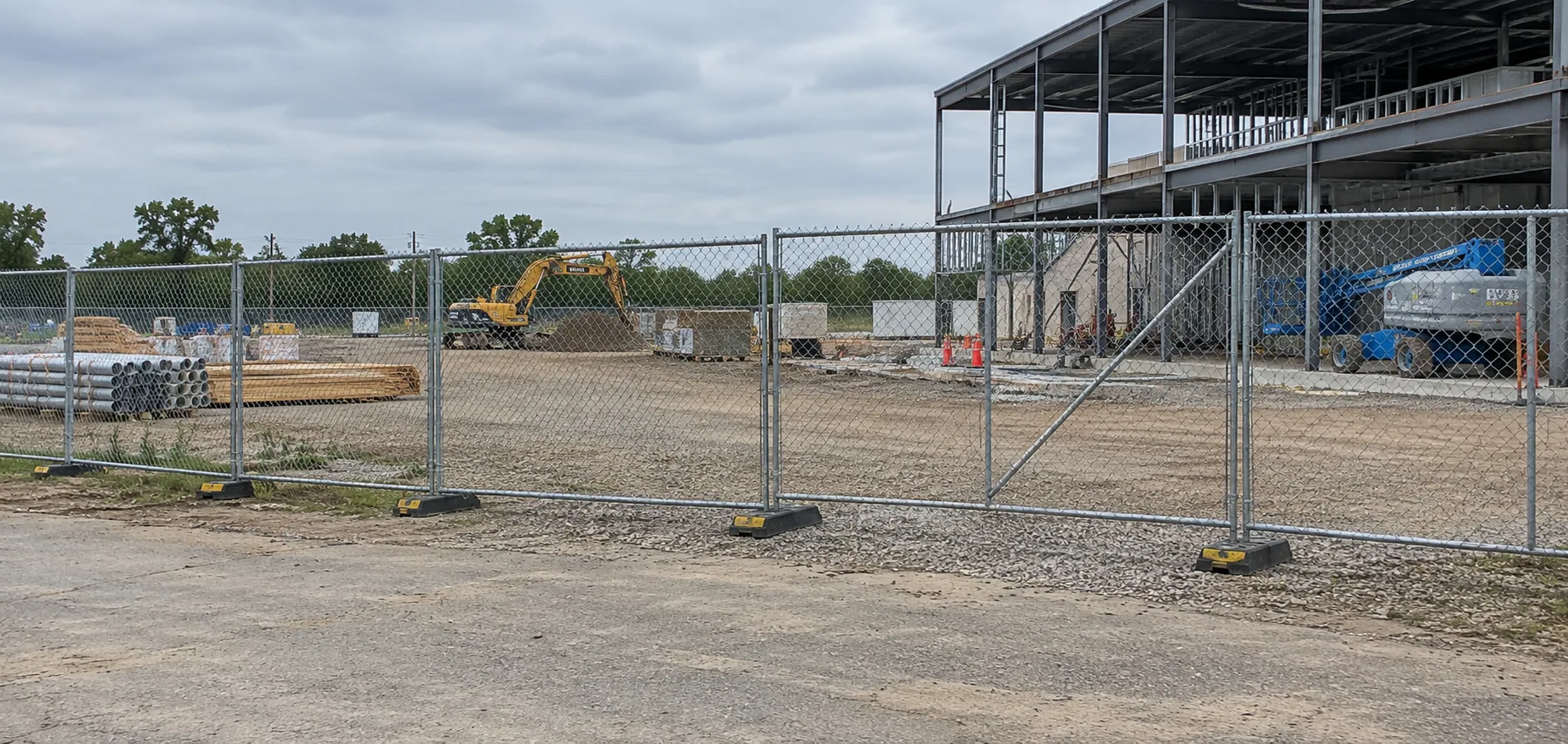
Prepare stable level support, reserve plowing room and keep doors away from snow storage and roof-shed zones. Confirm the delivery route, overhead lines and pickup access in the conditions expected at the end of the term.
Decide around mobilization risk
Lease shipping containers for a defined project when transport and return responsibilities are clear. Buy for recurring field staging or facility storage where maintenance and local placement requirements are managed.
Remote-project staging needs a handling sequence
List the destination, transport legs, unloading equipment and party responsible at each transfer before ordering storage. Material should be labeled by mobilization phase so critical parts do not sit behind later-use freight. Compare awkward loads with the cargo opening and interior. If movement after loading is planned, review loaded-container handling rather than assuming a local storage unit can be lifted or transported in the same way as inspected freight equipment.
Evaluate the final season as carefully as the first
Snow, frost movement and restricted winter approaches can change removal feasibility. Reserve plowing room, keep doors outside roof-shed zones and use stable drained supports. Rent for a defined local project when return transport and pickup responsibilities are clear. Buy recurring field or facility capacity with maintenance assigned. Sensitive goods may need insulation, ventilation or conditioning, and exposed sites should confirm applicable placement and engineering requirements before the unit is treated as permanent yard equipment.