Store for production or field work
Keep dense parts low, long material clear of door gear and fast-moving stock near the entrance. Select from the common lengths and heights after drawing the aisle.
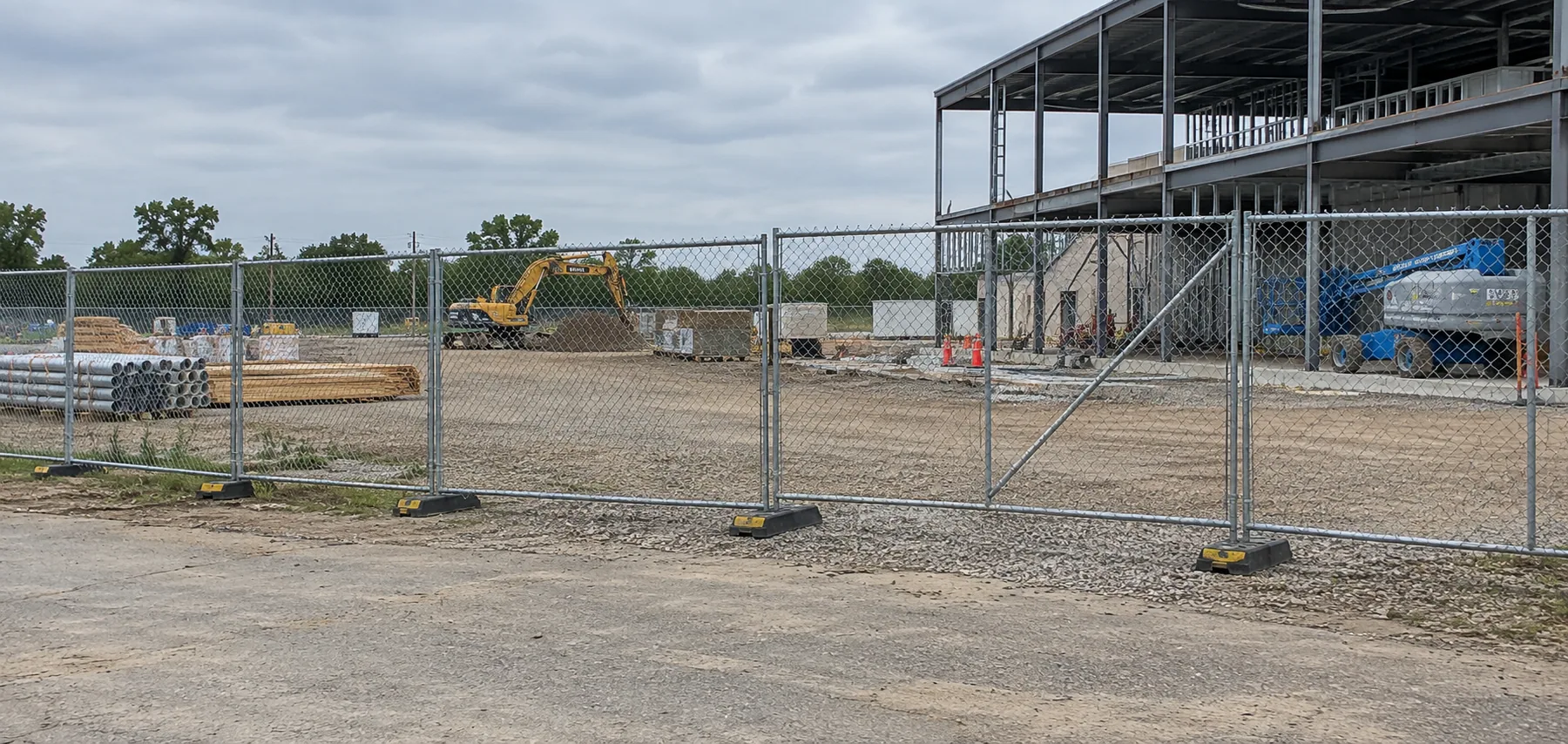
An open yard can hide a difficult route
Check swales, soft shoulders, overhead lines, livestock gates and trailer circulation. Decide the door end before the container is loaded.
Choose the form that fits the operation
Shipping container leasing covers builds and inventory surges. Buying serves recurring plant, aviation or ranch storage; wide machinery and shop work may favor a steel building.
Plan industrial and field inventory by task
Aviation suppliers, manufacturers, contractors and farm-service operations store different goods. Separate controlled or sensitive material from ordinary tools, keep heavy components low and make daily issue stock easy to reach. Compare shelving, long items and aisle width with the container dimensions. For wider machinery coverage or regular repair work, compare compact lockable storage with a steel building rather than forcing the operation into a narrow cargo footprint.
Decide around the yard and service horizon
Industrial properties require gate, dock, rail and fleet coordination; rural approaches add culverts, overhead lines and surface strength. Keep the unit outside emergency and equipment paths. Rent for a defined plant project or construction phase with a protected pickup route. Buy for recurring service or manufacturing capacity when inspection and maintenance are assigned. Review support choices before preparing a pad that must remain level through weather and heavy-yard activity.