
Match storage to technical or construction contents
Separate sensitive equipment from ordinary tools and finishes. Verify the intended layout against shipping container interior measurements. See current container prices.
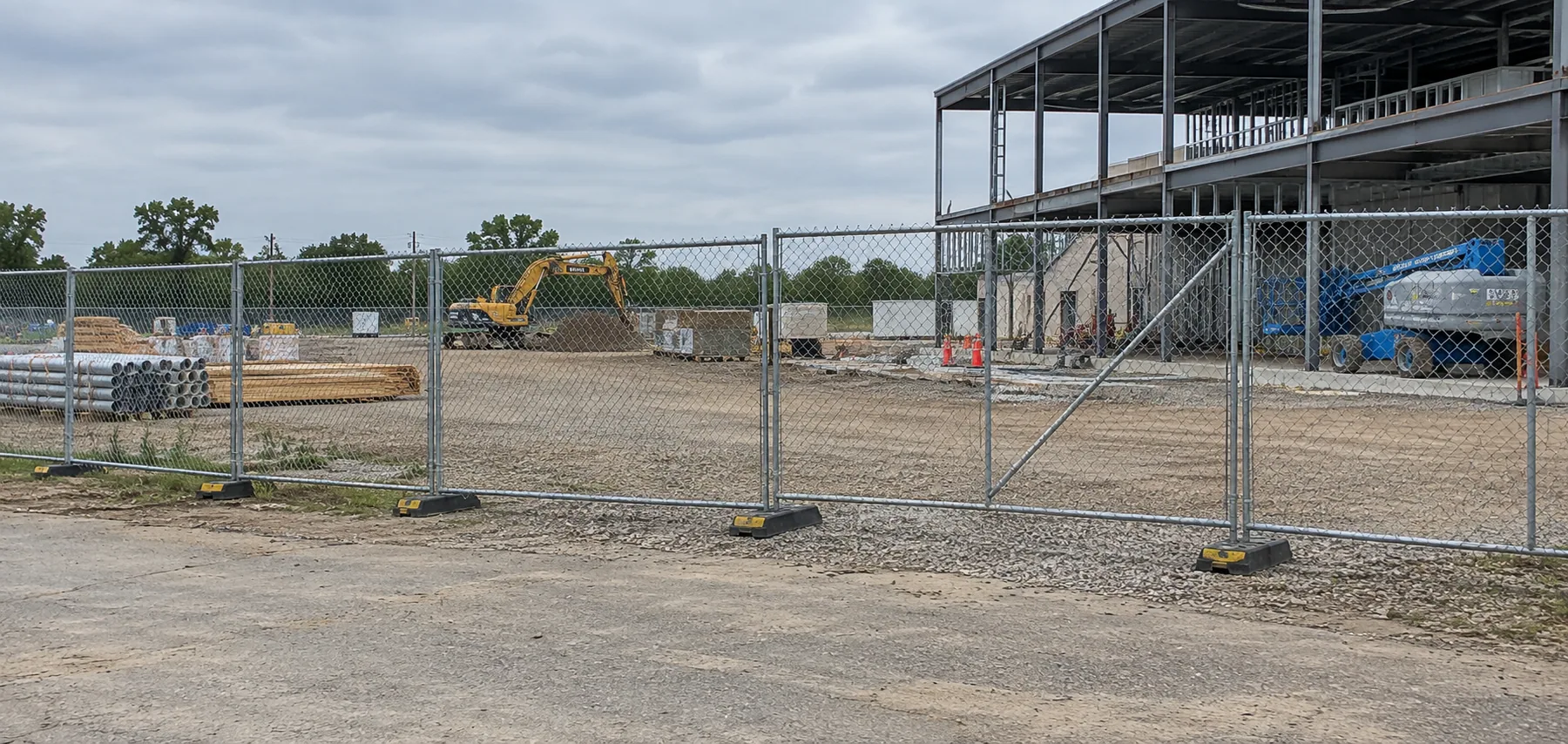
Keep campuses and developments moving
Confirm trees, gates, delivery windows and future phases, preserving pedestrian and emergency routes. See current container prices.
Use flexible capacity for projects
Lease build-outs and research work. Buy recurring facility or contractor storage; use mobile offices for occupied space.
Distinguish research equipment from jobsite material
Technology and life-science facilities may require environmental controls that standard storage does not provide. Confirm approved contents while protecting campus pedestrians, security and emergency routes.
Separate research requirements from ordinary secure storage
Life-science and technology projects may involve equipment with temperature, cleanliness or security limits beyond a standard container. Have facility personnel approve contents before specifying storage. For suitable fixtures, parts and tools, use the working dimensions to organize shelves and a retrieval aisle. Label inventory by room or project phase so crews can access early-use material without shifting everything behind it. A convenient temporary unit should not create an unresolved environmental problem.
Plan for campus controls and wooded approaches
Confirm badges, delivery windows, gates, overhead branches, drainage and surface strength. Preserve pedestrians, cyclists, utilities and emergency access. Rent for renovations or equipment transitions with an orderly pickup procedure. Purchase for recurring facility or contractor use with maintenance assigned. Review modification options before adding power or permanent fittings, and compare occupied field space with a mobile office rather than treating material storage as ready-made workspace.