Separate technical equipment from ordinary material
Identify environmental requirements and compare the load with shipping container working dimensions. See current container prices.
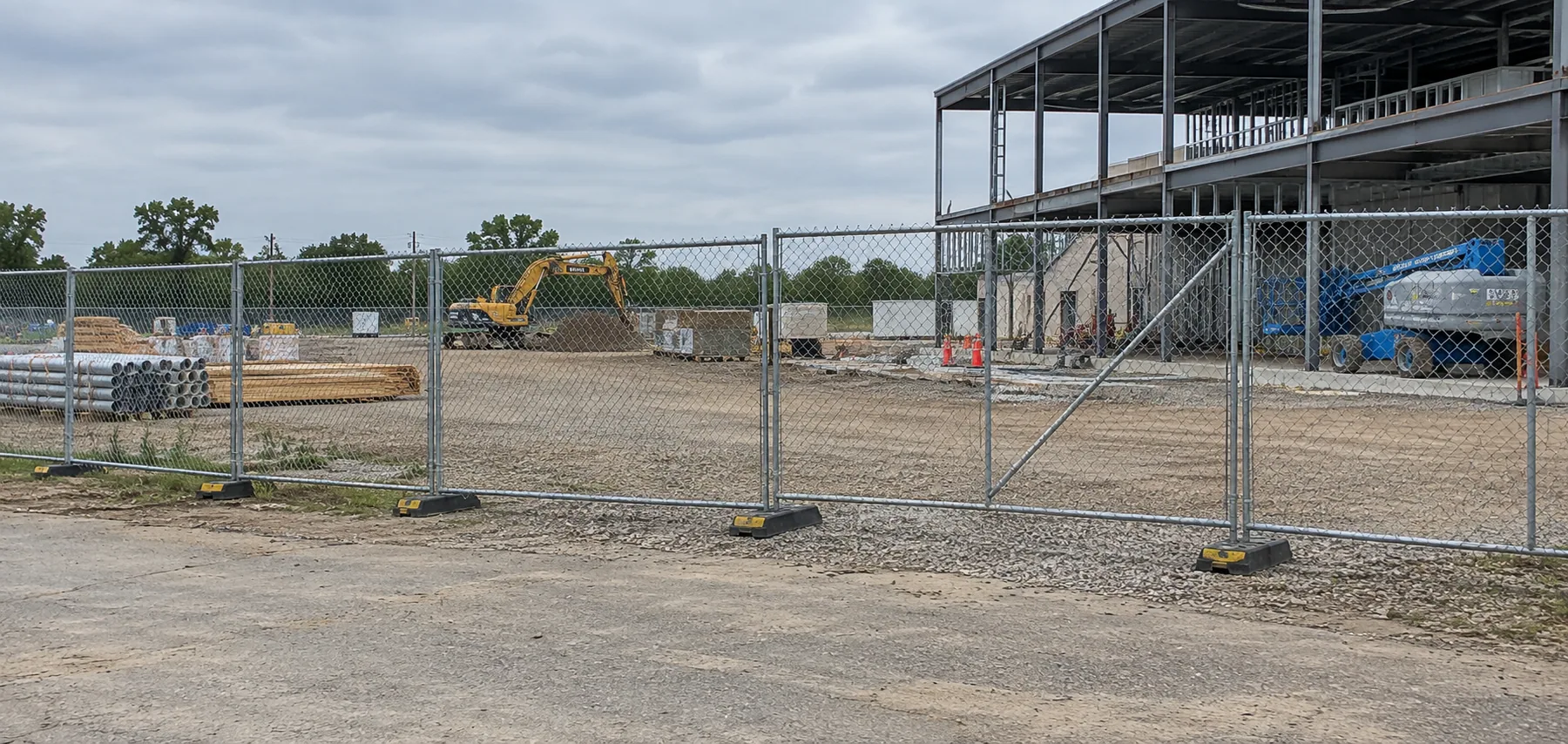
Coordinate wooded and campus access
Confirm delivery windows, gates, trees and pedestrian or emergency routes. See current container prices.
Align capacity with the facility timeline
Lease projects and moves. Buy recurring facility or contractor storage; use mobile offices for occupied teams.
Document environmental limits for research sites
A standard steel box is not clean, conditioned laboratory storage. Facility managers should approve the contents and any ventilation, insulation or power plan before technical equipment is moved.
Approve technical storage requirements before loading
Laboratory, university and healthcare projects may involve temperature, cleanliness or security controls that a standard unit cannot meet. Facility personnel should approve contents and any environmental system first. Suitable tools, fixtures and packaged stock can then be organized by room or phase using the working dimensions. Keep dense goods low and an inspection aisle clear. A temporary box should improve material handling rather than move a sensitive equipment requirement outside without resolving it.
Coordinate wooded campuses and the project exit
Confirm badges, delivery hours, gates, overhead branches, pedestrian controls and surface strength. Keep emergency and utility routes open and reserve pickup through later landscaping or fencing. Rent for expansions or equipment transitions with a clear off-rent plan. Buy recurring facility or contractor capacity with maintenance assigned. Review modification options, and compare occupied field needs with a mobile office instead of assuming storage is ready-made staff workspace.