
Qualify sensitive materials before storage
Laboratory or electronic equipment may need temperature, cleanliness or security controls beyond a standard unit. For suitable fixtures and tools, use the shipping container size guide to maintain organized access. See current container prices.
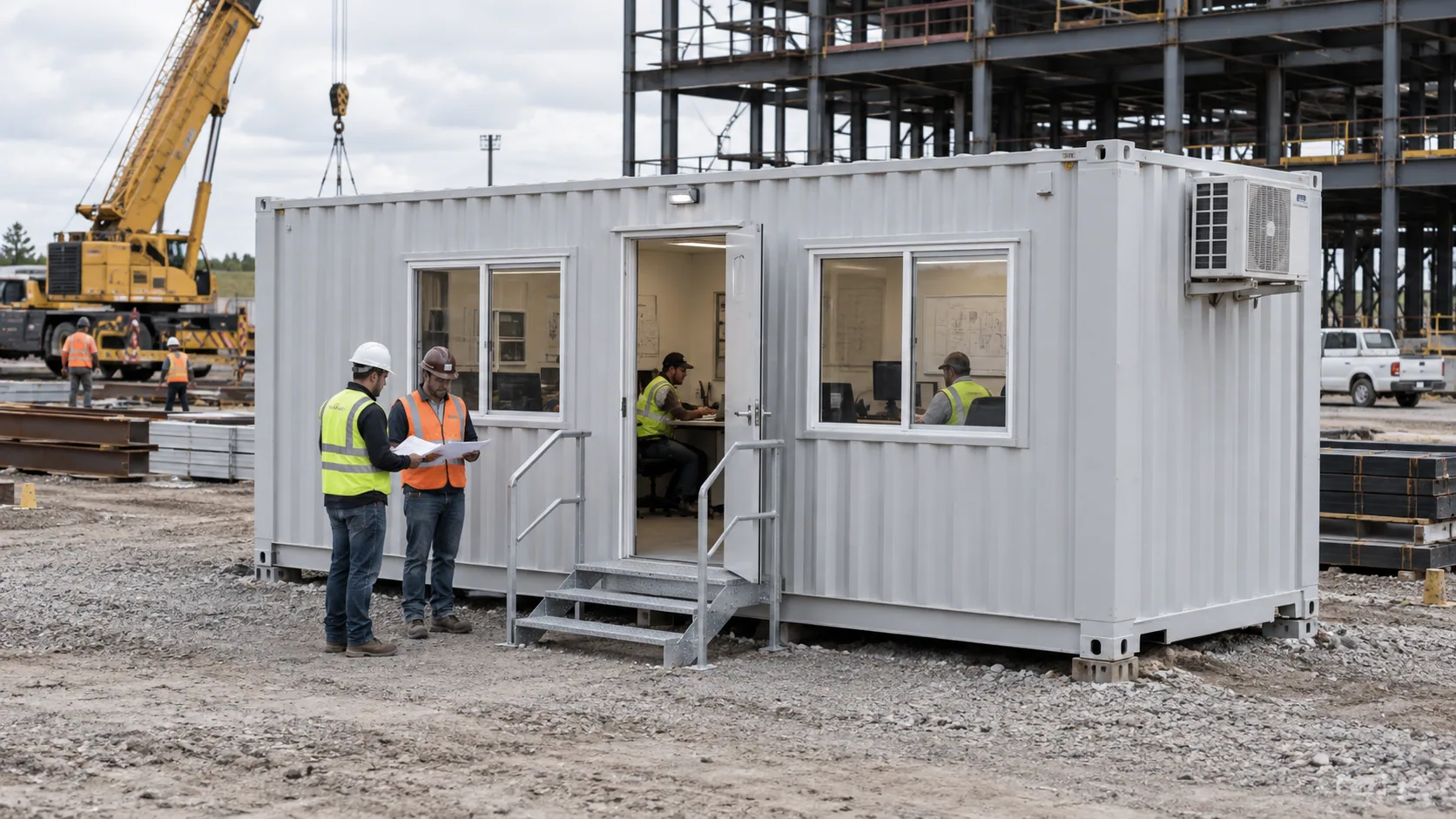
Follow campus and property controls
Confirm delivery windows, badges, screening, surface protection and door orientation. Keep pedestrians, customers, fire lanes and utilities unobstructed. See current container prices.
Let the campus project horizon decide
Shipping container leasing fits build-outs and equipment transitions. Buying fits recurring contractor or facility support with approved long-term space; staff workspace should use a mobile office.
Protect clean project material on active business sites
Cary office and institutional renovations often require temporary space for furnishings, fixtures and contractor supplies. Load in installation sequence, protect finished surfaces and keep dirty tools apart from clean packaged goods. Check the complete item against the container measurements, including doorway clearance and retrieval space. Electronics and sensitive finishes should have their storage requirements discussed before moving outside. A useful box reduces project congestion without becoming a substitute for occupied staff space or a controlled indoor storeroom.
Approve the position with property management
Confirm customer parking, delivery appointments, pedestrian routes and emergency access. Screening or temporary barriers must not obstruct daily door use or the eventual pickup line. Leasing shipping containers can match a defined build-out or event. Ownership can support recurring facility or contractor storage where long-term placement is permitted. Leave exterior inspection clearance, inspect drainage after rain and keep an inventory record so project supervisors know which materials remain outside as the work moves toward completion.