
Work backward from the street
Confirm truck routes, curb permission, overhead clearance and the straight pull needed to unload. Then select from the workable container sizes; a 20-foot unit that can reach the site is worth more than a 40-footer that cannot.
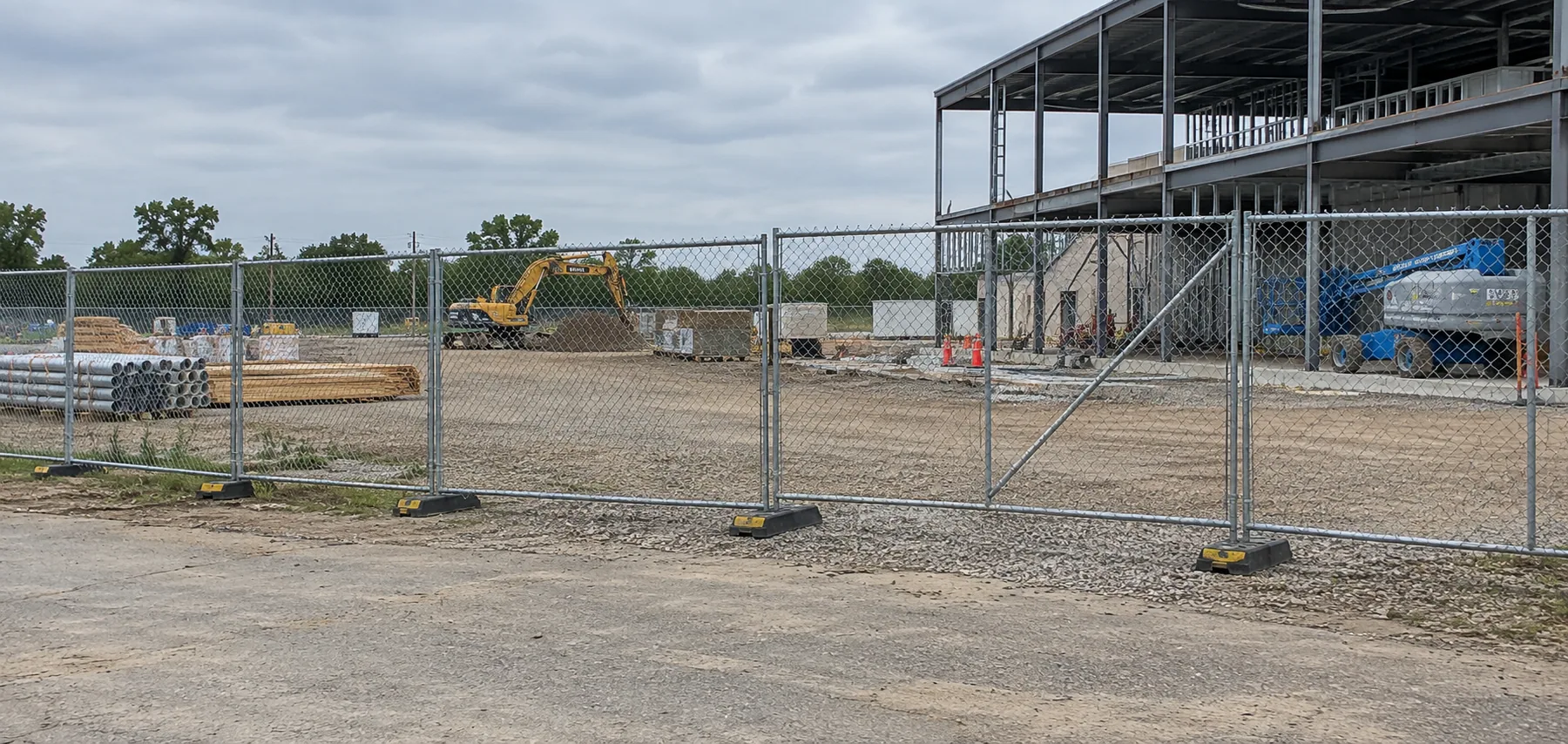
Load for the building schedule
Place daily tools near the doors and fixtures in installation order. Keep fire lanes, sidewalks, docks and building-service access open. Coordinate project fencing and gates with delivery and pickup.
Use temporary capacity deliberately
Shipping container leasing generally fits renovations, events and inventory transitions. Ownership requires a compliant long-term commercial site and recurring need.
Build the unloading plan before the inventory plan
A container can make a renovation easier only when the truck and crew can work without taking over the block. Record the building entrance, curb restrictions, service alley, overhead obstructions and a place for the trailer to straighten. Property permission does not automatically resolve street access. Compare the working footprint with that route, then assign material by floor or installation phase. Keep first-use fixtures near the doors instead of burying them behind later deliveries.
Keep a dense-site project reversible
Mark the pickup line on the site plan and protect it as scaffolding, fencing and landscaping change. A container lease fits a defined construction or institutional project when extension and removal responsibilities are clear. For an established commercial yard considering purchase, evaluate inspection access, drainage and long-term maintenance as well as capacity. The delivery-space guide is a useful checklist for the conversation with the serving supplier.