
Choose capacity that the property can receive
A 40-foot box holds more, but narrow roads, grades, trees and limited maneuvering room may make a 20-foot unit the sounder choice. Compare both options on the shipping container sizes page, then review the complete route with the supplier.
Lake and rural sites need different checks
Marine-service properties should account for customer trailers, salt or moisture exposure and dock access. Farm and rural properties add gates, culverts, soft ground and equipment traffic. In every case, prepare level support and direct runoff away from the floor system.
Make seasonal storage easy to unwind
Tourism and event inventory should be labeled and loaded for retrieval, not filled wall to wall without an aisle. Keep the pickup lane free after the busy season. If crews need an occupied workroom, compare storage with mobile office options.
Own recurring capacity; rent defined peaks
Shipping container leasing can handle a building project or seasonal increase without making the box permanent. Buying suits a farm, marine shop or property with continuing use and an approved location.
The route decision should come before capacity; see how much delivery space a container needs.
Store lake-area service equipment with a dry return routine
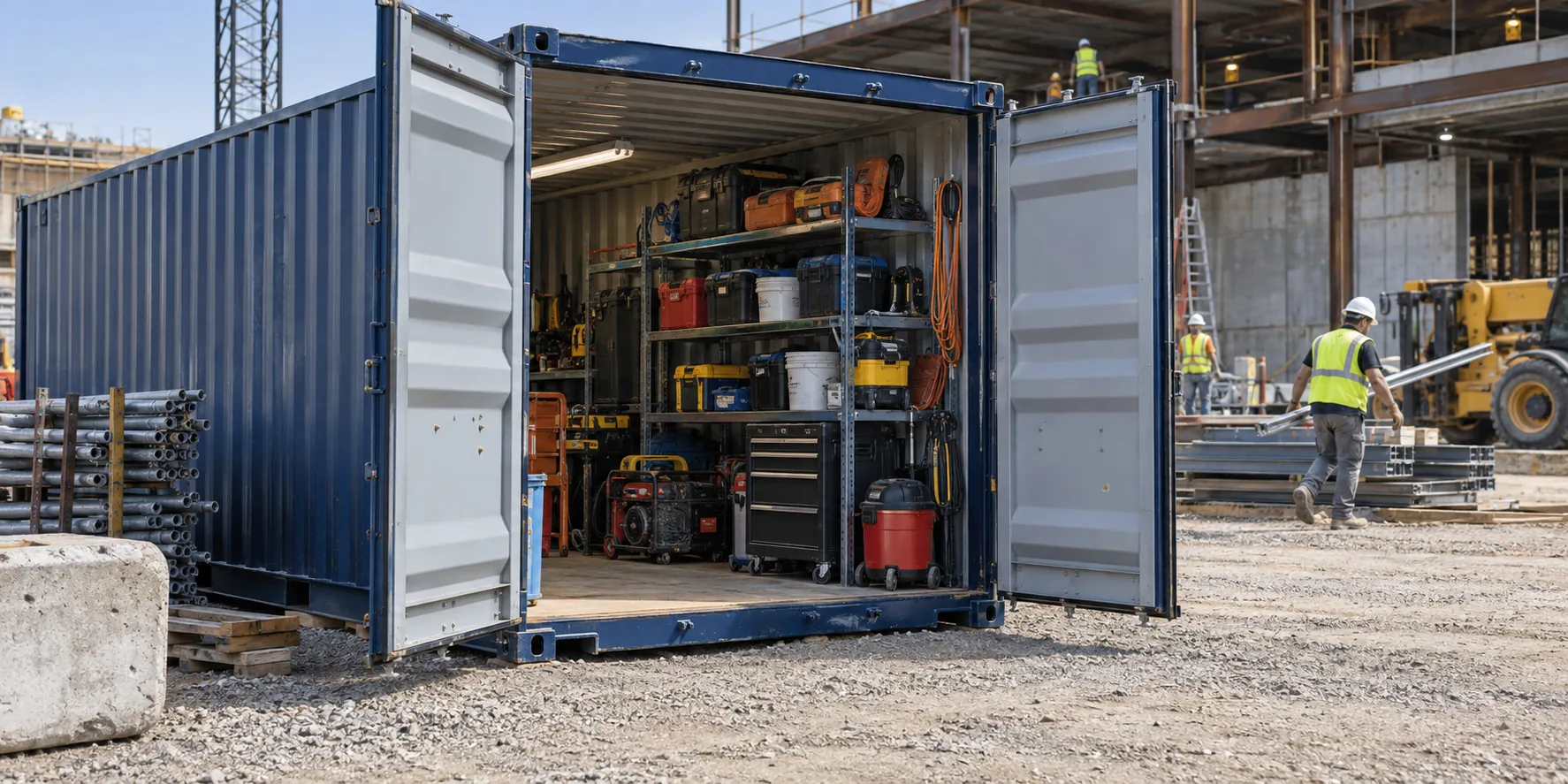
Polson contractors and recreation-support businesses may bring wet gear back from the field or lakeside work. Dry and inspect suitable equipment before placing it among clean packaged supplies. Label project stock and keep checked tools apart from returns. Measure bulky cases and long components against the doorway and interior length. An organized aisle gives different crews practical access. Sensitive finishes, electronics or materials needing special conditions should not be assigned to ordinary dry storage without reviewing their requirements first.
Make rural and seasonal access part of the request
Photograph driveway bends, trees, gates and support areas rather than supplying only the property address. Keep runoff and snow accumulation away from the doors, and preserve room for the truck to pull clear. Leasing shipping containers can follow a building project or seasonal demand. Buying suits recurring service storage at an approved location with upkeep assigned. Recheck the pickup route when landscaping, trailers or new equipment changes the yard, particularly after wet weather or thaw softens access.