Protect production and finish materials appropriately
Identify temperature- or humidity-sensitive finishes before using outdoor storage. For suitable parts and tools, set rack and aisle dimensions from the container interior.
Fit the box into plant logistics
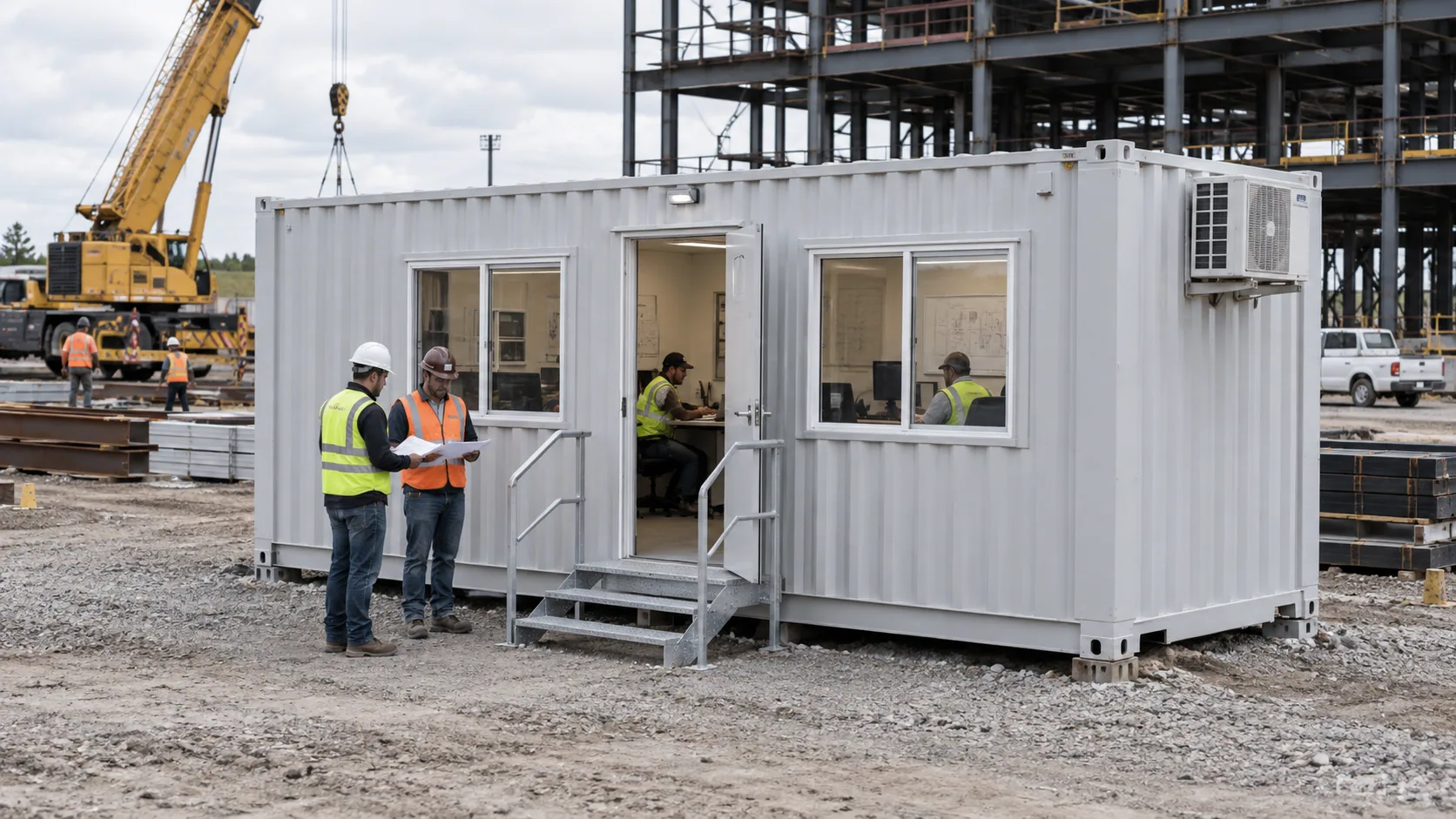
Coordinate gates, docks, rail, forklifts and shift changes. Reserve snow-removal and pickup room and direct meltwater away from level supports.
Choose surge space or a controlled asset
Lease shipping containers for launches, shutdowns and construction. Purchase for recurring manufacturing or contractor storage with maintenance assigned.
Protect finished products while releasing shop space
Grand Rapids furniture and manufacturing support storage should distinguish durable equipment from finished pieces that need controlled conditions. Review packaging, moisture sensitivity and handling requirements before assigning contents. For suitable stock, label shelves by job or product family and keep an inspection aisle. Use the sizes chart to check crates and carts through the doors. A box that frees a production area is valuable only if employees can retrieve materials without damaging finishes or losing track of reserved parts.
Keep winter routines in the operating plan
Snow removal should leave a landing outside the doors and a future truck approach, rather than using the container as a snow backstop. Separate wet returned tools from dry packaged supplies. Compare leasing shipping containers for plant changes or construction with buying for continuing support. Assign responsibility for door hardware, drainage and support checks. Review the placement with receiving staff too, so outside storage does not eliminate a dock position or interfere with normal forklift movement.