Set up a working parts and overflow area
Keep high-turn inventory near the doors and match racks, pallets and carts to the clear measurements. See current container prices.
Respect shifts, docks and winter
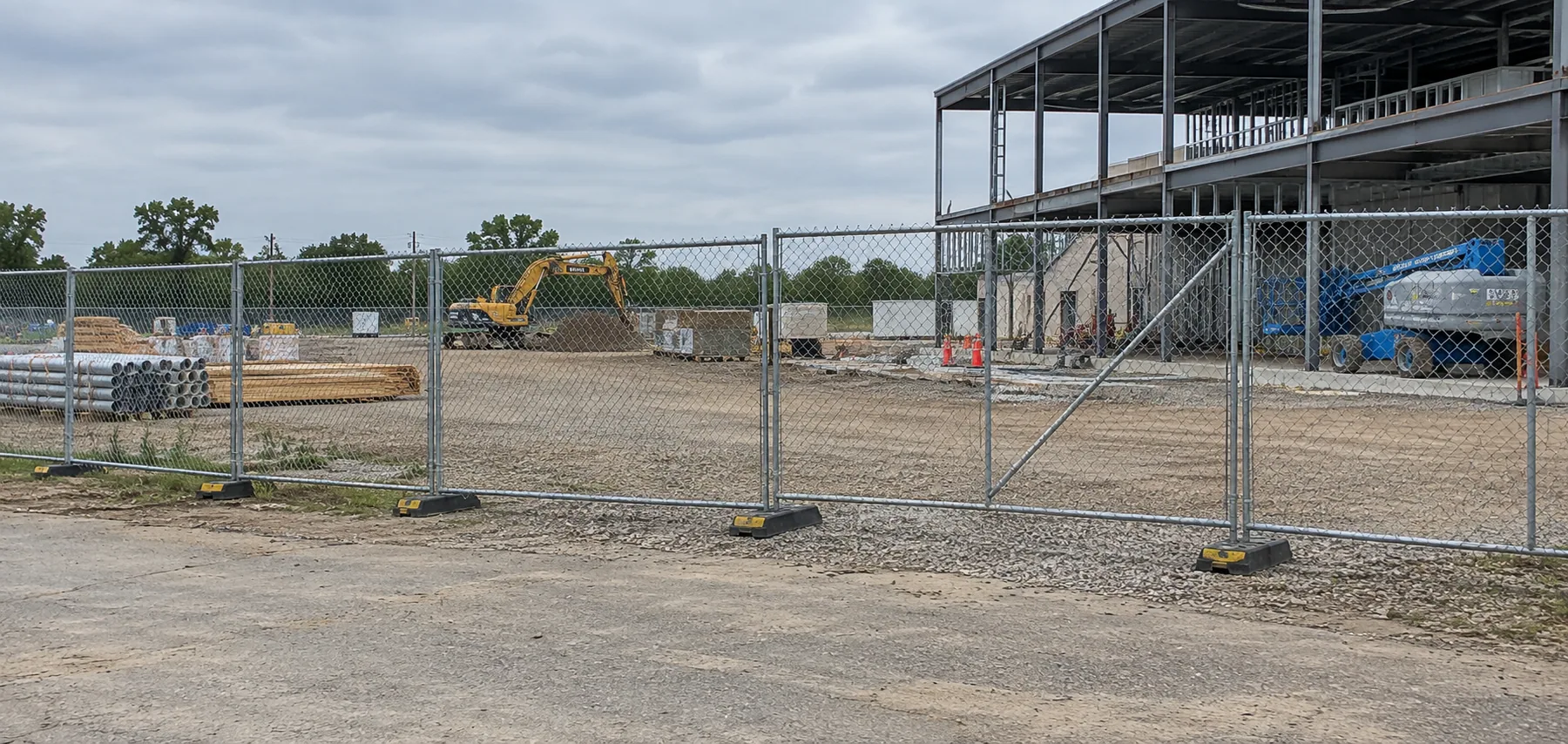
Confirm gate procedures, delivery windows, snow space and the truck’s straight pull. Preserve fire and forklift lanes. See current container prices.
Use the event or production calendar
Shipping container leasing fits events, shutdowns and peaks. Buying suits recurring plant, warehouse or contractor storage.
Support freight and events without blocking either
Distribution and venue sites should separate container delivery from peak truck or crowd periods. Reserve snow, fire and pickup access and keep high-turn stock easy to issue.
Separate event equipment from daily warehouse stock
Event gear should be loaded by deployment sequence, while parts and distribution inventory need movement-rate zones and consistent labels. Heavy components belong low and frequently retrieved goods belong forward. Check the largest cases, rack height and aisle width against the usable container dimensions. Temperature-sensitive medical, food or technical contents require an explicit suitability review. The steel shell provides physical storage space, not every environmental or sanitation condition a product may need.
Schedule around freight, crowds and snow
Confirm gate check-in, dock activity, venue calendars and winter clearance before delivery. Keep fire lanes and the eventual pickup path outside parking or event staging. Rent for peaks, events and plant projects with clear extensions. Buy for recurring manufacturing, logistics or contractor use when condition and maintenance are understood. Review delivery-space requirements before approving a pad that fits the box but not the truck. Mark the door area clearly for vendors and warehouse crews.