Build a pickable overflow area
Arrange high-turn parts near the doors, keep dense items low and preserve an aisle for counts and retrieval. Check racks and handling equipment against the clear interior dimensions. See current container prices.
Deliver outside live intermodal movement
Coordinate security, rail, shift changes, dock schedules and a safe trailer approach. Winter snow can reduce turns and staging, so the placement plan needs seasonal clearance. See current container prices.
Keep the perimeter functional
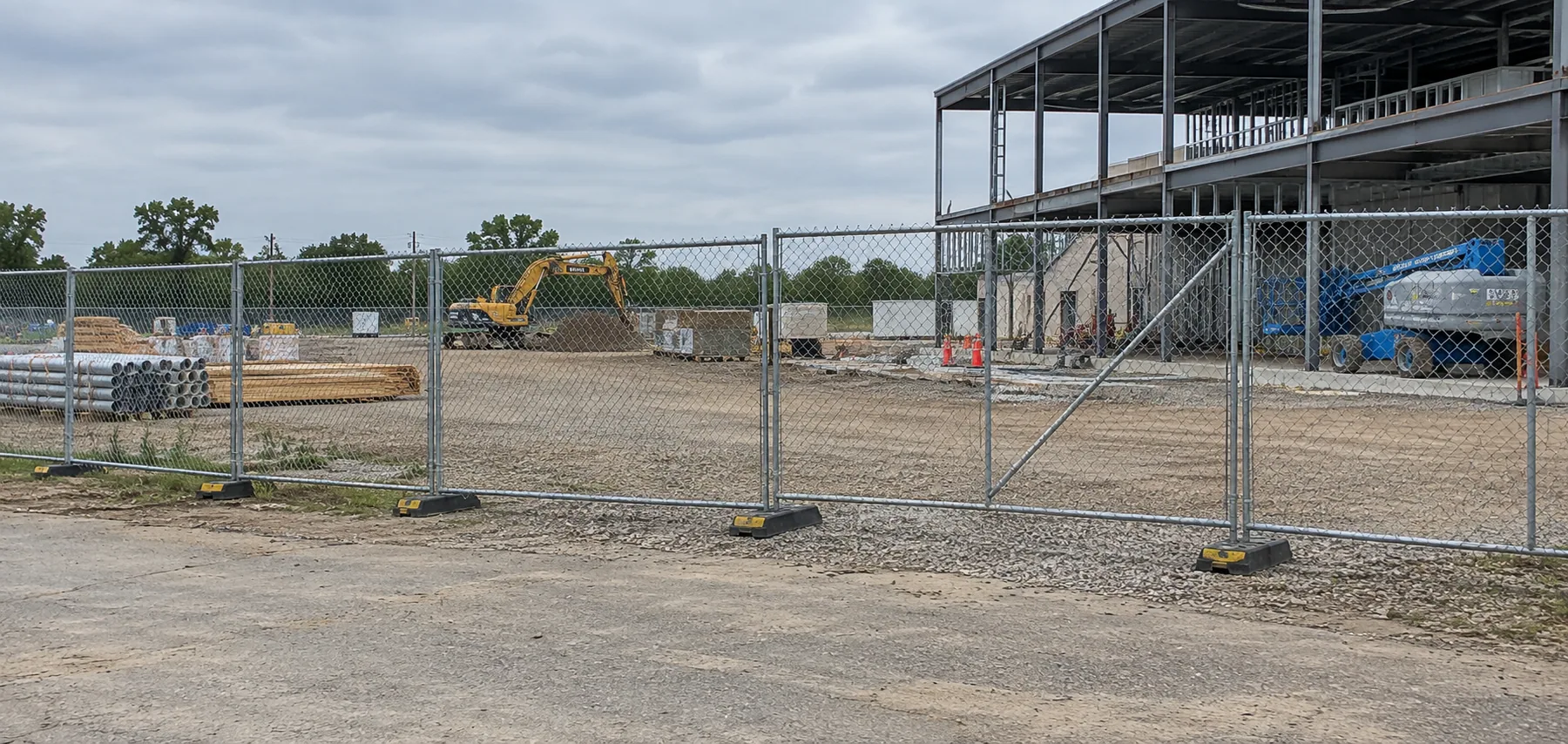
Fences and gates should protect inventory without trapping pickup equipment. Plan site security around chassis, forklifts, fire lanes and the container doors.
Use demand duration as the dividing line
Lease shipping containers for freight peaks, builds and temporary production support. Buy for recurring intermodal, manufacturing or contractor storage.
Choose outside stock by movement rate
Joliet distribution teams should consider whether reserve cartons, durable fixtures or project supplies make better container loads than fast-picked orders. Register the outside location, identify reserved material and keep damaged returns separate. The container size comparison should include shelves, packed stock and retrieval room. Capacity that cannot be inspected or counted is difficult to manage. Sensitive products have their own environmental needs to review; secure dry storage should not be treated as interchangeable with conditioned warehouse space.
Keep freight circulation and winter access available
Review placement with receiving staff, preserving trailer turns and forklift crossings. Reserve a cleared door landing and tell the snow crew where not to pile snow. Lease shipping containers for a demand peak or project with removal planned. Buy for continuing capacity where the property and upkeep arrangement support it. Leave exterior inspection access, keep support and drainage checkable and preserve the truck pickup line. Later equipment or fences should not trap a box that was originally easy to deliver.