
Measure the route and the load
Compare turns and straight pull with the shipping container footprint, preserving an aisle inside. See current container prices.
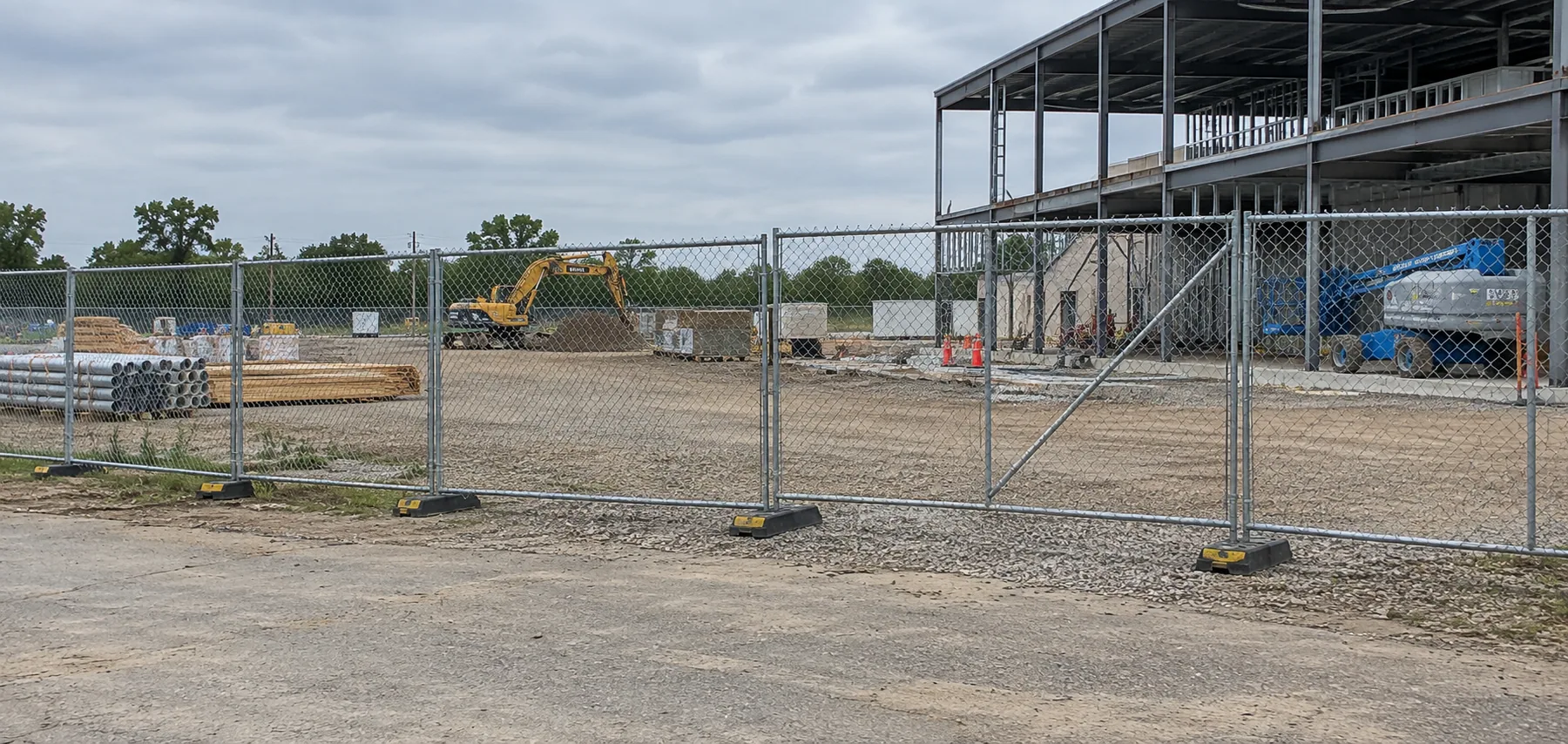
Work within shared sites
Coordinate delivery windows, parking, docks, customers and emergency access. See current container prices.
Keep urban storage proportional
Lease projects and overflow. Buy for approved recurring industrial or service use.
Work within a dense industrial block
Coordinate neighboring tenants, parked vehicles and shared loading areas before delivery. A marked approach and door direction prevent a short placement from disrupting several businesses.
Keep small industrial stock rooms organized
Wholesalers, manufacturers and service trades benefit from clear product or job labels and a retrieval aisle. Store dense components low and daily-use stock near the doors. Check shelving, carts and awkward pieces against the usable dimensions. Heat-sensitive products or controlled materials need separate suitability reviews. A container can add valuable capacity to a tight property, but only when workers can inspect and issue the goods without moving unrelated inventory or stepping into neighboring vehicle traffic.
Coordinate shared yards and restricted approaches
Confirm gate width, overhead utilities, parked vehicles, loading hours and the trailer pull. Work with property management and neighboring tenants before scheduling. Rent for peaks, renovations or construction with pickup reserved. Purchase for recurring industrial or contractor use with long-term approval and assigned upkeep. Review delivery-space requirements, preserving fire, waste-service and customer routes as the site changes around the stored unit. Neighboring tenants need clear notice of unusual delivery access requirements.