
Use less space more intelligently
Fixtures and finish materials should be organized by installation phase, not packed in arrival order. Leave an aisle and verify the largest item against the door opening. The 20-foot and 40-foot comparison helps determine whether added capacity is worth the larger delivery footprint.
Schedule around guests and businesses
Shared lots, narrow drives, deliveries and event traffic can eliminate normal unloading space. Confirm the property manager’s placement, delivery window and screening requirements, then mark the truck route and door direction.
Keep temporary work from becoming a permanent obstruction
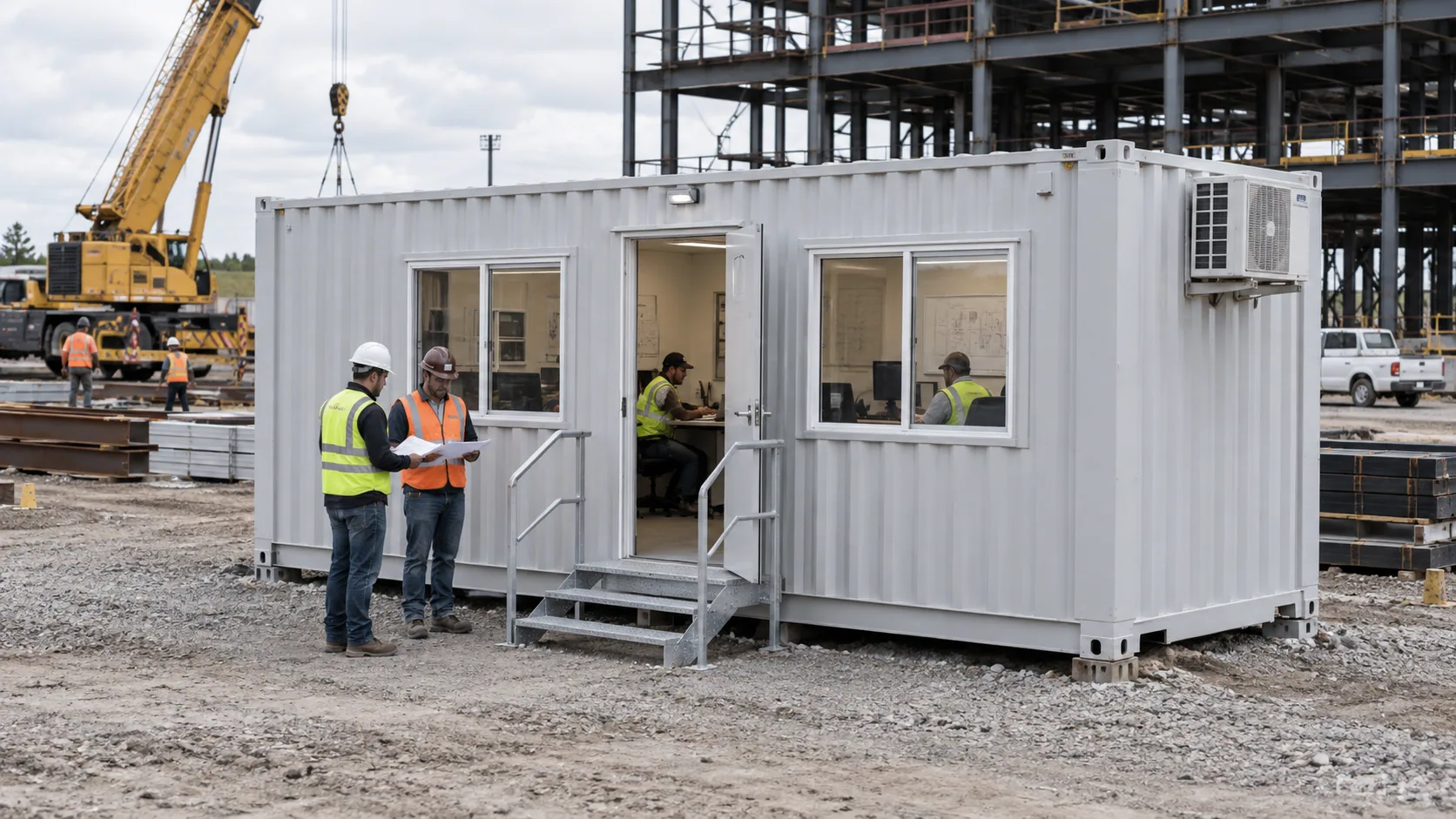
Protect guest entrances, loading zones, hydrants and fire lanes. A renovation team needing occupied field space should review mobile office options rather than treating storage as an office by default.
Let the end date guide the deal
A hotel renovation, event or retail reset usually favors a lease with planned pickup. Purchase is better suited to an established contractor or service yard with approved long-term space.
Stage clean fixtures on an active commercial property
Garden Grove renovations and business projects can need temporary space for furnishings, tools and durable supplies. Load installation packages in sequence and keep clean finished material apart from returned equipment. Check the complete packed load against the container size comparison. A receiving register makes it clear what remains outside and prevents a retrieval aisle from becoming an overflow pile. Heat-sensitive products and delicate finishes need their storage requirements discussed before an ordinary secure dry box is chosen.
Protect shared parking and the pickup path
Confirm the exact position, delivery appointment and customer circulation with property management. Photograph the final truck approach with parked vehicles and overhead hazards visible. Lease shipping containers for a defined project when removal is planned from the start. Buy for recurring storage only where long-term placement and upkeep are established. Leave room for exterior inspections, and keep barriers, dumpsters or later equipment from blocking the truck line. A temporary project permission should not be treated as approval for permanent yard storage.