Make every foot of capacity reachable
Organize parts and materials by work order or movement rate. Preserve an aisle and check the largest item against the cargo-door opening. The shipping container size guide helps compare capacity without forgetting the larger truck footprint. See current container prices.
Confirm the industrial approach
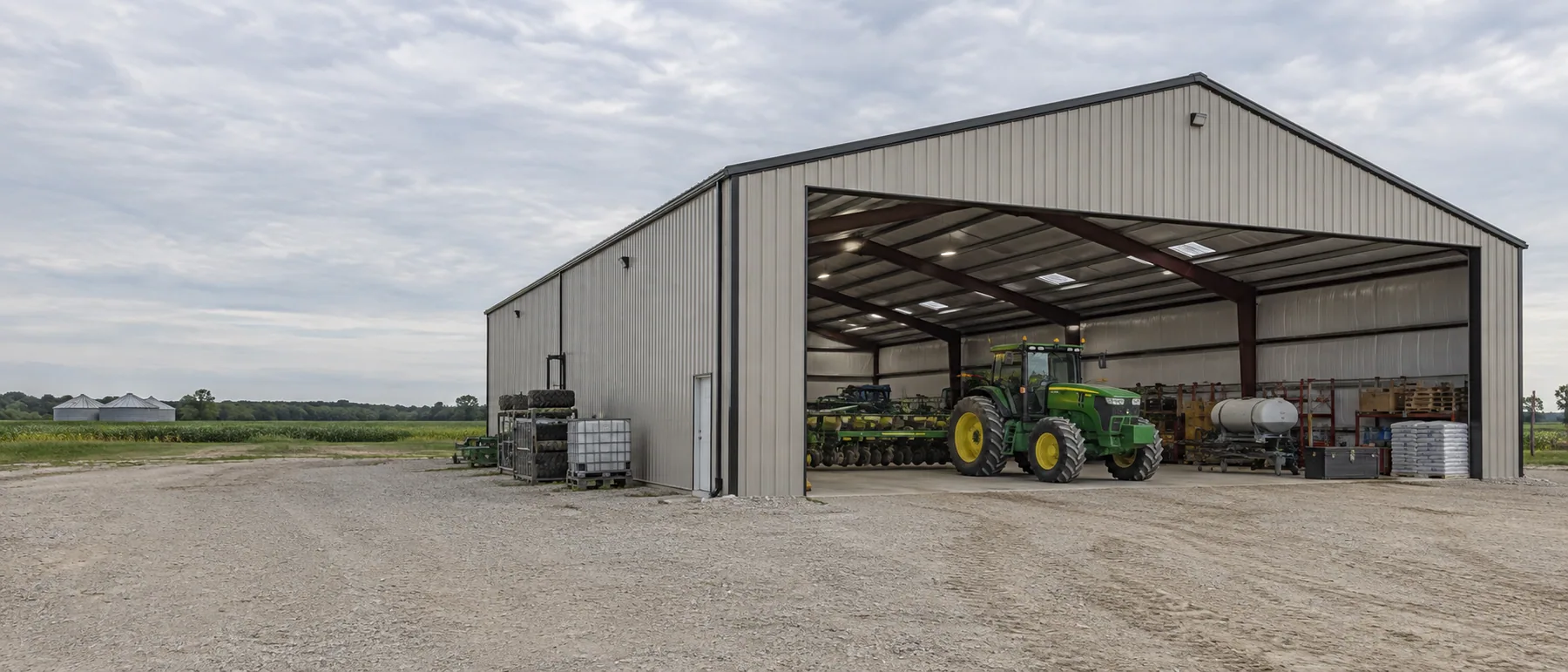
Heat, gates, grades, docks and shared yards can alter the placement method. Agree on a delivery window outside peak truck activity and identify which end must face the working area. See current container prices.
A container should reduce congestion
Keep it outside trailer, forklift, customer and emergency routes. Maintain inspection room and plan heat protection for sensitive goods. Operations requiring wide permanent work space should also evaluate a steel building.
Pick the term that matches the demand
Shipping container leasing fits inventory peaks and development work. Buying supports an established manufacturer, contractor or service yard that will use the capacity continuously.
Keep project and fleet supplies in identifiable locations
Corona industrial service and construction teams should organize outside stock by work order or vehicle system. Separate returned parts from serviceable replacements and label material reserved for a job. Compare packed assemblies and tool carts with the container measurements, leaving an issue aisle. A receiving register keeps purchasing staff aware of actual quantities. Durable supplies may suit ordinary dry capacity, but heat-sensitive products need their requirements reviewed before moving outside from a previously controlled indoor storeroom.
Check truck circulation before assigning spare space
A quiet corner may be essential to after-hours fleet parking, trailer movement or emergency access. Review the position with operations staff and photograph the final approach. Leasing suits a defined project or inventory peak. Buying shipping containers fits recurring storage where placement and maintenance are approved. Keep runoff away from the support area and retain exterior inspection clearance. Fences, parked equipment and later construction should not eliminate the truck line needed for eventual pickup, even if the container remains for an extended period.