Pack by event or construction sequence
Keep first-use fixtures, barricades or tools near the doors and verify awkward items against cargo-door dimensions. Avoid storing heat-sensitive products without an appropriate environmental plan. See current container prices.
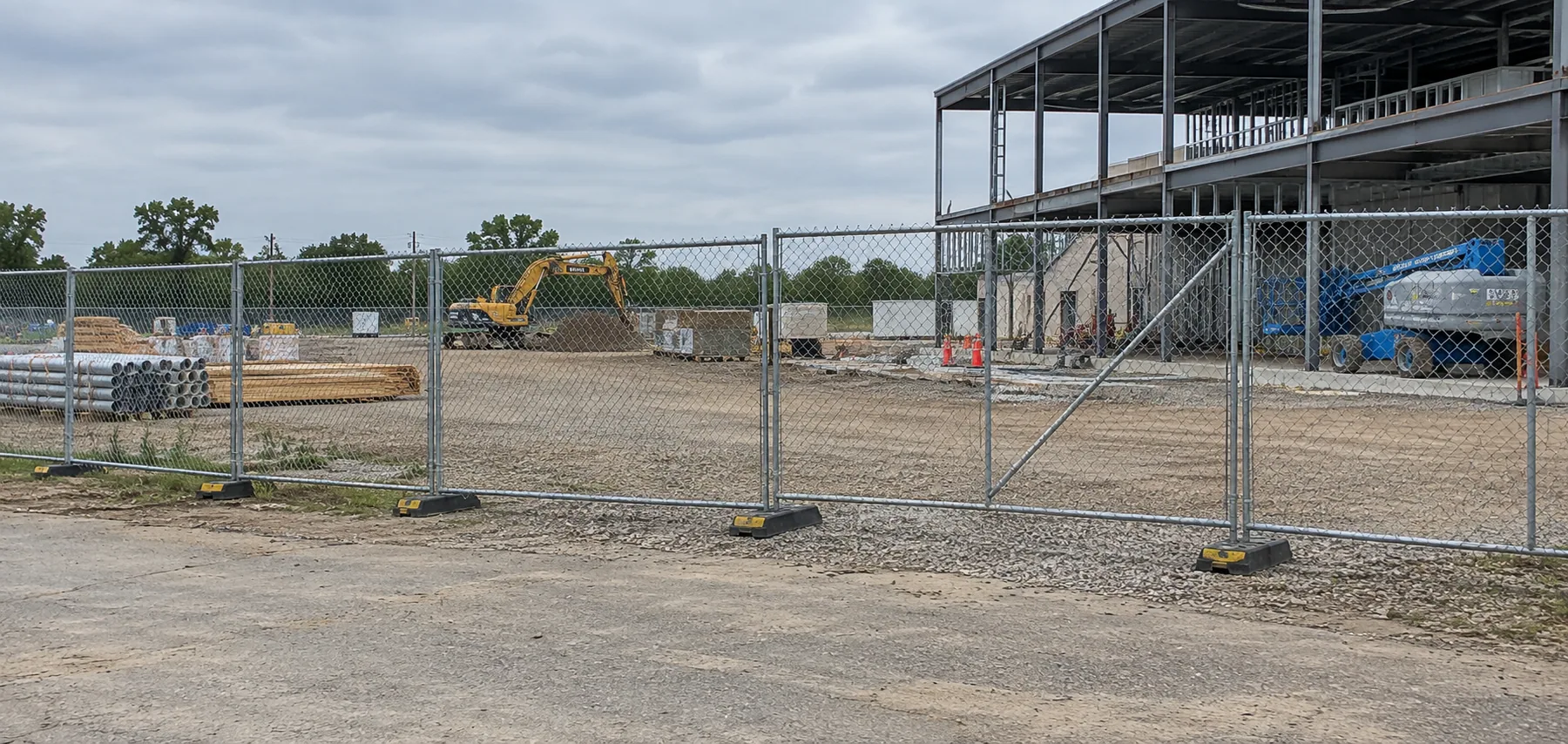
Work around crowds and managed properties
Confirm venue or property approval, delivery windows, security gates and trailer staging. Maintain pedestrian, rideshare, fire and service routes at all times. See current container prices.
Choose flexibility for changing schedules
Shipping container leasing generally fits events and construction phases. Buying fits an established contractor, landscape or facility operation with recurring use and long-term approval.
Let the event calendar determine the delivery window
Venue crowds, buses, vendors and parking demand can remove the normal truck route. Agree on a low-traffic delivery and pickup window before ordering. Schools and managed properties may add screening, surface-protection or approval requirements. Compare container footprints with the complete trailer working area, protecting fire and pedestrian routes. The final position should let staff retrieve equipment without opening doors into live crowd, service or vehicle circulation.
Pack desert event and trade stock for retrieval
Organize cases and fixtures by deployment phase, tools by crew and heavy goods low. Heat-sensitive electronics, finishes or controlled products need a specific environmental review. Leasing suits events, renovations or construction; purchase suits recurring contractor or facility capacity with maintenance assigned. Review rental-duration questions before accepting a term that conflicts with the venue schedule. If staff need occupied space, compare a mobile office rather than using material storage as finished workspace.