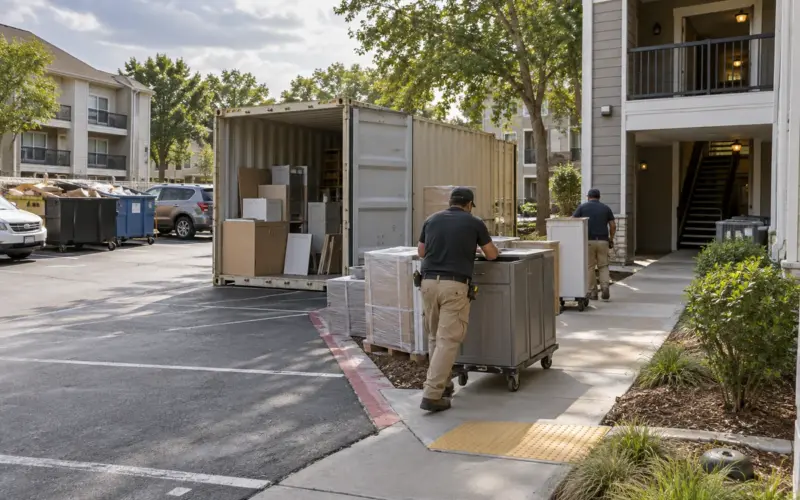

A shutdown clock is expensive. When the line is down, nobody wants a mechanic hunting through three trailers for a gasket that was delivered last week. Industrial shutdown storage containers should be arranged around work packages, not around whichever pallet arrived first.
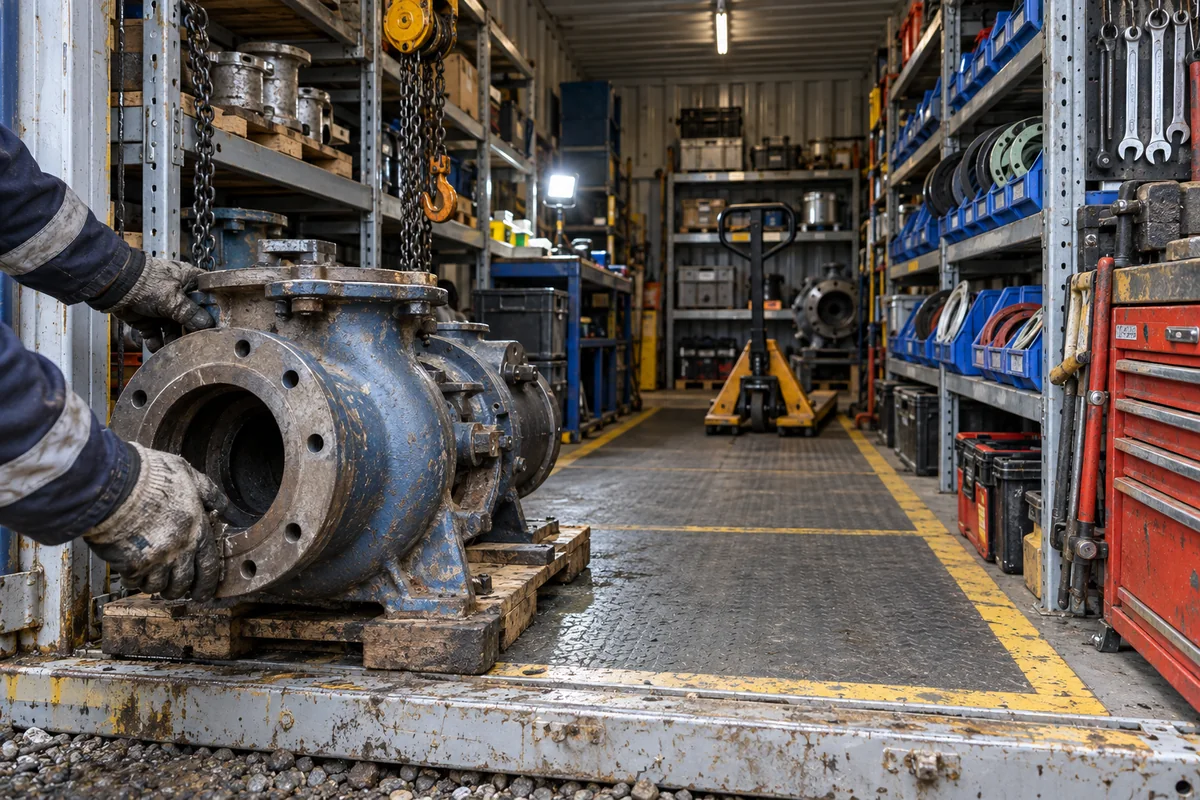
Build the storage map with maintenance, purchasing and the contractor leads. One unit might hold staged parts for the first outage window, another may carry shared tools and consumables, and a third could receive removed components awaiting inspection. Mixing those jobs creates confusion just when the schedule has the least room for it.
Make each door opening answer a question
Number every container and post a simple contents map at the controlled issue point. Keep heavy material low and near the handling path. Separate clean replacement parts from dirty returns, and protect sensitive components according to their actual storage requirements. The container size comparison helps determine whether the longest item, rack depth and planned aisle can coexist inside the selected unit.
Access needs discipline. Decide who controls keys, how overnight crews sign material out and where unused parts come back. Lighting, temporary power or approved modifications must be discussed with the supplier rather than improvised. The container purchase guide may make sense for a plant with recurring outages and long-term rack plans; a defined project usually points back to the rental option.
Receiving cannot be an afterthought once contractor trucks begin stacking up. Mark a holding zone for deliveries that have not been checked, and move them into assigned storage only after quantity and condition are recorded. That keeps an urgent bearing or valve from being “somewhere in the yard” while supervisors burn valuable outage time calling every crew.
Demobilization is part of the shutdown plan
Production may restart before contractors have sorted unused material, returns and scrap. Give cleanout its own owners and dates. Keep the collection route outside operating traffic and emergency lanes, especially if barriers move as the plant comes back online. For a permanent covered work bay rather than compact storage, compare the separate steel building route.
Request prices with the same unit count, sizes, delivery order, term and site access. Use the container quote form only after those facts are fixed. Give each unit a responsible plant contact. Industrial shutdown storage containers earn their keep when the right part reaches the right crew without drama—and disappear from the yard when the job is truly finished.