Measure the equipment in working condition
Include attachments, handles, roll cages and transport positions when checking fit. Confirm door opening rather than interior height alone, and leave space to secure or service equipment without climbing over other items.
Plan the threshold and floor load
Select ramps for the actual threshold, slope, wheelbase and load. Check concentrated weight and use appropriate loading equipment; do not assume the wood floor or an improvised ramp can support any machine.
Know when wider access is needed
Containers work for compact equipment, tools and parts. Operations needing large drive-in machinery, multiple service bays or overhead work may be better served by a steel equipment building. Compare container sizes before final site preparation.
Equipment storage container sizes, rental and ownership
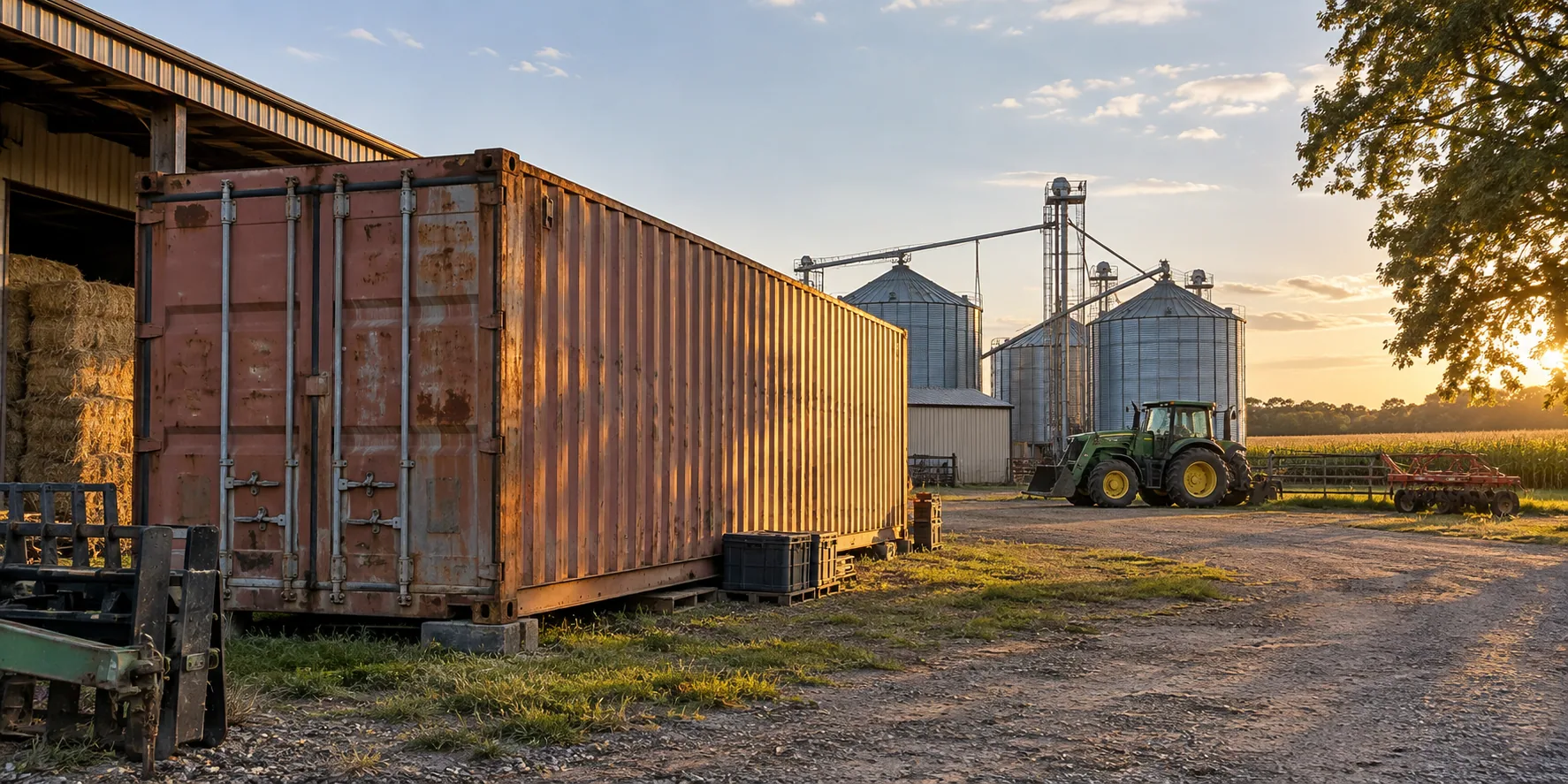
Measure machinery with attachments in place before deciding to rent an equipment storage container or buy a steel shipping container. A suitable interior length does not prove that the equipment will pass through the doors or safely cross the threshold. Compare shipping container door and interior dimensions with the load and retrieval route. For wider vehicles, overhead service work or multiple bays, an equipment storage steel building may provide a more workable layout.
Compare equipment storage containers: quote checklist
- Equipment dimensions and attachments
- Door opening and retrieval aisle
- Ramp geometry and concentrated loads
- Fuel, battery and ventilation requirements
- Container versus purpose-built building
Use the shipping container sizes and dimensions guide and common questions to resolve the details before comparing suppliers.