
Design for picks and replenishment
Separate fast-moving stock from long-term reserve inventory, maintain a clear aisle and label shelf or floor positions. Do not stack capacity so tightly that ordinary picks require unloading the container.
Match protection to the goods
Consider temperature, condensation, dust, pests, odor and floor history. Sensitive goods may need raised storage, ventilation, insulation, monitoring or a climate-controlled alternative.
Connect the box to the facility
Place storage outside dock, forklift, customer and emergency routes while keeping receiving practical. Use leasing for seasonal overflow and purchase for recurring controlled use.
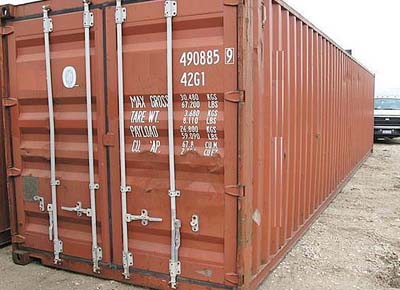
Rent inventory storage containers for peaks or buy for reserve stock
A retailer may rent storage containers for a seasonal peak, while a warehouse with recurring reserve stock may buy a shipping container for inventory storage. Plan the picking route before choosing the biggest available unit. Use the 20-foot and 40-foot container size chart to allow for shelves, aisles and the door opening. Heat-sensitive or moisture-sensitive stock needs a separate protection plan; see shipping container ventilation before loading ordinary dry storage.
Compare inventory storage containers: quote checklist
- SKU volume and pick frequency
- Shelving, labels and clear aisle
- Temperature and moisture sensitivity
- Receiving and replenishment route
- Security, term and delivered scope
Use the shipping container sizes and dimensions guide and common questions to resolve the details before comparing suppliers.