Start with inventory movement
List what enters, how often it is picked and what cannot tolerate heat, moisture or dust. Fast-moving fixtures, maintenance parts and boxed goods need different shelving and access than long-term records or project materials.
Protect facility circulation
Keep dock positions, semitrailer turns, forklift routes, fire lanes and employee paths open. Coordinate the container with property management, security and the facility team before delivery, especially on shared commercial sites.
Lease for peaks; buy for repeat use
Use container leasing for renovations, seasonal peaks and defined overflow. Consider buying a container when the facility will reuse it, modify it or move it among controlled properties.
Commercial storage container rental versus purchase
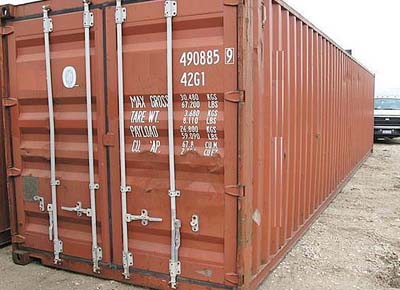
A commercial storage container rental can cover a store refit or a seasonal inventory peak without leaving an unwanted asset afterward. Businesses with recurring warehouse overflow may prefer to buy a storage container, provided the property has suitable long-term placement. Compare the cost of the delivered container with the staff time needed to retrieve stock. Use the storage container size guide and container condensation advice for goods that need careful storage.
Compare commercial storage containers: quote checklist
- Inventory sensitivity and picking frequency
- Dock, forklift and customer traffic
- Security, lighting and access control
- Appearance, screening and property restrictions
- Delivery and pickup responsibility
Use the shipping container sizes and dimensions guide and common questions to resolve the details before comparing suppliers.