
Keep plant inventory controlled
Identify hazardous or regulated materials separately from ordinary tools and packaged parts. Set weight and retrieval plans, then compare usable dimensions on the size page. Do not use a general storage box for materials requiring a purpose-designed system.
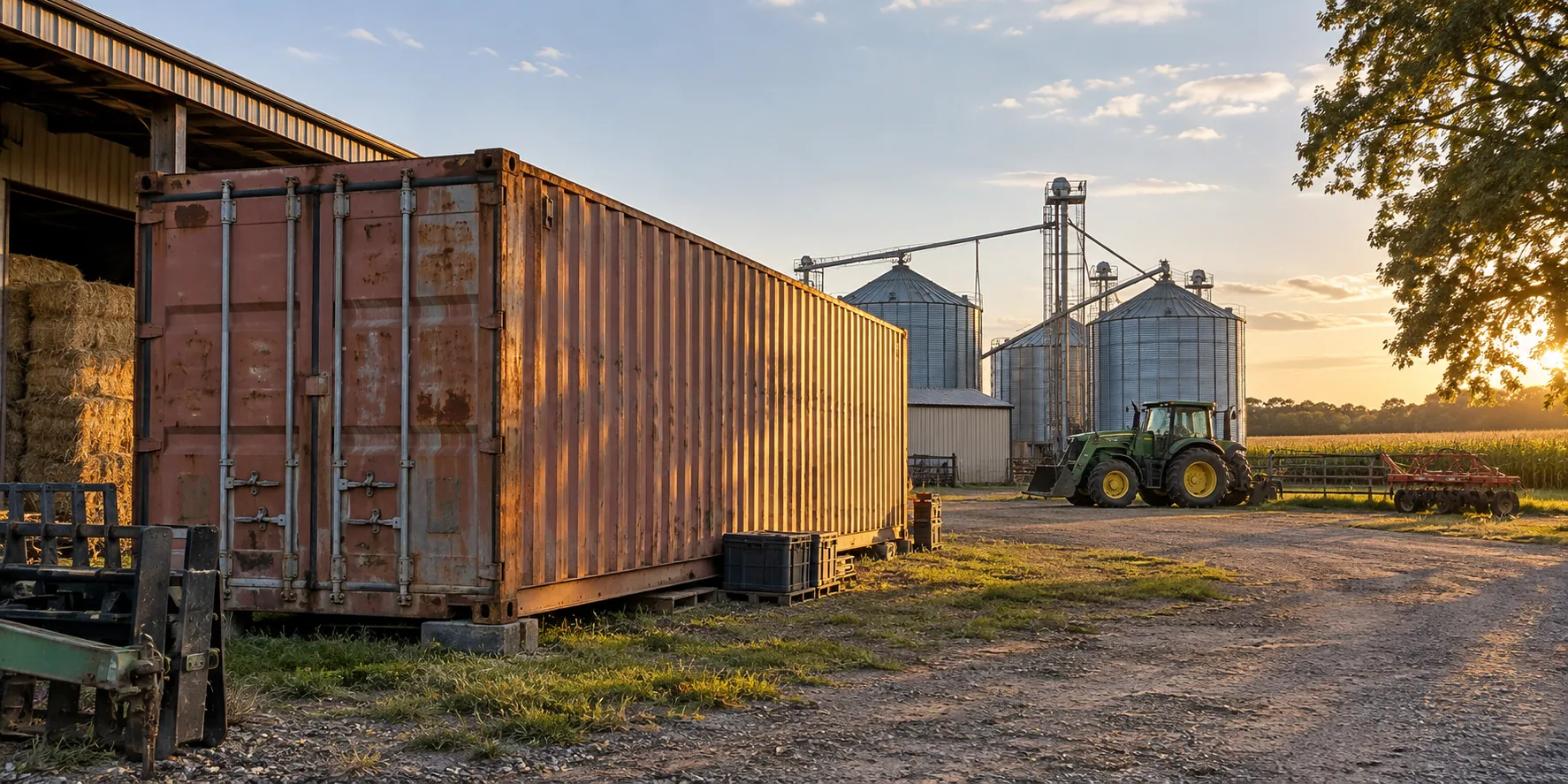
Delivery starts at security check-in
Confirm gate procedures, safety orientation, delivery windows and the route past tankers, docks and process areas. Heavy rain and low ground also demand a firm approach and prepared support.
Protect process and response routes
Keep the container outside emergency, utility, tanker and fire access. Coordinate gates and perimeter security with the delivery and pickup equipment instead of enclosing the unit after placement.
Turnaround storage or permanent capacity
Shipping container leasing matches turnarounds, builds and outages. Buying fits recurring plant, port, fleet or contractor storage where modifications and inspections will be managed.
Give turnaround tools a clear service status
Pasadena industrial contractors should mark ordinary equipment ready to issue and keep returns apart until inspected. Group parts by unit or work package, control dense loads and retain a safe center aisle. Compare complete assemblies against the container measurements. A dry storage box should not gradually become an improvised cabinet for incompatible chemicals or materials needing special controls. Describe intended contents accurately so the supplier can discuss suitable capacity and handling rather than assuming every plant-support load belongs in the same arrangement.
Protect process access and coastal maintenance
Confirm approved entry procedures, unloading appointments and emergency routes with the site contact. Leave room to inspect coatings, hardware and support, and keep wet equipment away from clean packaged supplies. Container leasing can follow a turnaround or construction package with removal planned. Ownership fits recurring support where upkeep and key control are assigned. Review drainage and the final truck approach before dispatch, preserving pickup access as piping work, barriers or stored equipment alters the yard.